Table of Contents >> Show >> Hide
- Why Dark Gray Works Beautifully in a Nursery
- The Tree Mural: The Soul of the Room
- Striped Curtains: The Pattern That Pulls It Together
- Creating a Balanced Color Palette
- Furniture Choices for a Dark Gray Woodland Nursery
- Lighting: The Secret Ingredient
- Rugs, Textiles, and Texture
- Wall Decor That Complements the Tree Mural
- Storage Ideas That Keep the Nursery Calm
- How to Keep a Dark Nursery From Feeling Too Small
- DIY Tips for Painting the Room
- Budget-Friendly Ways to Get the Look
- Experience Notes: Living With a Dark Gray Nursery, Tree Mural, and Striped Curtains
- Conclusion
A dark gray nursery may sound, at first, like the design equivalent of giving a newborn a tiny espresso and a copy of Architectural Digest. But when it is done well, dark gray becomes surprisingly soft, cozy, and sophisticated. Add a white tree mural, striped curtains, warm textures, and a few clever safety-minded choices, and suddenly the room feels less “storm cloud” and more “enchanted woodland after naptime.”
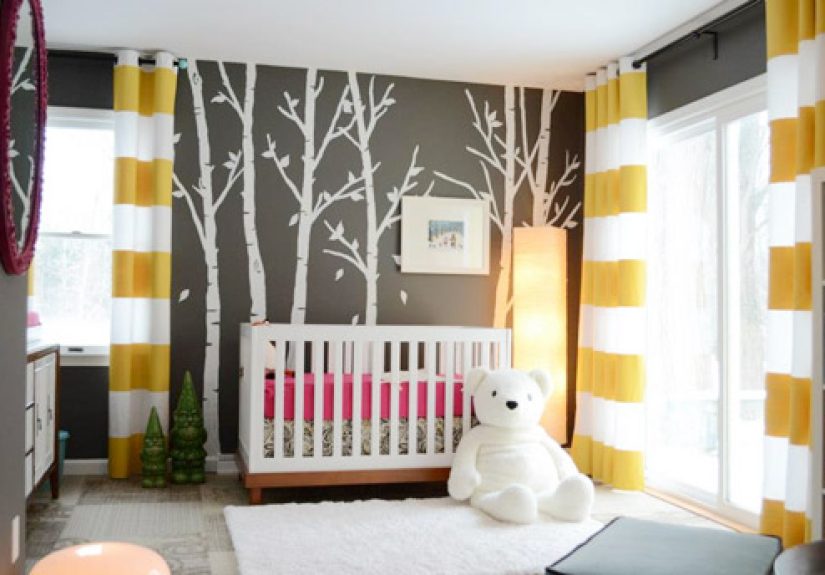
The inspiration behind a dark gray nursery with a tree mural and striped curtains is all about balance. Dark walls create depth. The tree mural adds movement and imagination. Striped curtains bring structure, contrast, and a playful graphic punch. Together, they build a nursery that feels calm enough for sleep, stylish enough for adults, and whimsical enough for a child who will one day point at the wall and decide the painted tree is obviously where the moon keeps its snacks.
This guide explores how to design the look from the ground up, including paint choices, mural planning, curtain styling, furniture placement, lighting, safety, storage, and practical decorating details. Whether you are recreating a dramatic woodland nursery or simply borrowing a few ideas, this room proves that baby spaces do not have to be pastel by law. There is no federal pastel requirement. We checked.
Why Dark Gray Works Beautifully in a Nursery
Dark gray is one of the most underrated nursery colors because it does several things at once. It creates a cozy background, makes white and natural wood tones pop, and gives the room a polished look that can grow with the child. Unlike themed colors that may feel too babyish after a few years, gray is flexible. It can lean modern, rustic, woodland, Scandinavian, farmhouse, or even slightly storybook depending on what you pair with it.
The key is choosing the right dark gray. A gray with warm undertones feels softer and more cocoon-like, while a cooler charcoal shade can feel crisp and contemporary. In a nursery, the most successful dark gray paint colors usually avoid looking flat or gloomy. They need enough depth to feel intentional but enough warmth to keep the room from feeling like a stylish parking garage.
Dark colors are often used by designers to add sophistication, contrast, and intimacy to interiors. In a nursery, that can be especially useful because the room should feel restful. Dark gray walls can visually quiet the space, especially when layered with soft rugs, white furniture, woven baskets, and warm lighting. The result is a room that feels settled rather than overstimulating.
The Tree Mural: The Soul of the Room
The tree mural is what transforms this nursery from a nice gray room into a memorable space. A white birch-style tree mural on dark gray walls is particularly striking because the contrast is clean and graphic. The trees feel organic without becoming busy, and the vertical lines can make the room feel taller. It is a smart visual trick, especially in smaller nurseries where every inch needs to work hard and preferably not complain.
Hand-Painted Tree Mural vs. Wallpaper
There are two main ways to create a tree mural: paint it by hand or use wallpaper or decals. A hand-painted mural gives the room a custom, one-of-a-kind feeling. It can also be budget-friendly if you already have leftover trim paint or a small can of white paint. The design does not have to be perfect. In fact, trees look better when they are slightly irregular. Nature is not using painter’s tape, and neither should every branch.
Wallpaper and peel-and-stick decals are great options for renters or parents who want a faster installation. A removable tree mural can deliver the same woodland nursery style with less commitment. This is helpful if you suspect your future toddler may eventually demand dinosaurs, rockets, ballerinas, monster trucks, or all four in the same room.
How to Make the Mural Feel Professional
Start with a simple sketch. Choose where the largest trunks will go, then add smaller branches after the main shapes are in place. Keep the mural slightly asymmetrical so it feels natural. A cluster of trees behind the crib or reading chair can act as a focal point, while a few smaller branches near the corners can make the mural feel wrapped around the room.
Use white or soft off-white paint for the trees. Bright white looks crisp against dark gray, while creamy white creates a gentler effect. For extra detail, add small gray shadows on one side of the trunks or tiny knots using a fine brush. The goal is charm, not a botanical dissertation.
Striped Curtains: The Pattern That Pulls It Together
Striped curtains are the perfect partner for a dark gray nursery because they introduce rhythm. The tree mural brings organic lines; stripes bring order. This contrast keeps the space from feeling too themed or too serious. Wide horizontal stripes feel bold and playful, while vertical stripes can make the ceiling look higher. Thin stripes feel tailored; thick stripes feel cheerful and graphic.
In a gray nursery, black-and-white, gray-and-white, navy-and-white, or soft beige-and-white striped curtains can all work beautifully. If the room already has a white tree mural, striped curtains repeat the light-and-dark contrast without copying the mural exactly. That repetition is what makes a room feel designed rather than accidentally assembled during three separate online shopping sessions at midnight.
Choose Safe Window Treatments
Style matters, but nursery window safety matters more. Cordless window coverings, short or inaccessible cords, and safely mounted hardware are essential. Curtains should not hang where a baby or toddler can pull them from the crib. The crib should be placed away from windows, curtain panels, blind cords, and monitor cords. A beautiful nursery is great; a safe nursery is non-negotiable.
Blackout liners can also be useful. They help control light during naps and early summer mornings, when the sun rises with the confidence of a toddler asking for crackers at 5:42 a.m. If using striped curtains mainly for decoration, consider pairing them with cordless blackout shades mounted safely inside the window frame.
Creating a Balanced Color Palette
A dark gray nursery needs contrast and warmth. Without them, the room may feel heavy. With them, it feels layered and intentional. The best supporting colors for this style include white, ivory, natural wood, soft beige, muted green, warm tan, and small touches of black. Metallic accents such as brushed brass or matte black can add polish without making the nursery feel too grown-up.
Recommended Palette
Try this simple color recipe: dark gray walls, white tree mural, white or light wood crib, striped curtains, warm wood frames, a soft ivory rug, and muted green or mustard accents. This combination keeps the room gender-neutral, nature-inspired, and timeless. If you want a softer look, add pale sage, dusty blue, or oatmeal-colored textiles. If you want a bolder look, add black picture frames, leather drawer pulls, or a deep forest green changing pad cover.
The goal is to let the gray act as the stage. The mural, curtains, furniture, and textiles are the performers. Nobody wants every element screaming for attention. That is the baby’s job.
Furniture Choices for a Dark Gray Woodland Nursery
White furniture looks especially sharp against dark gray walls. A white crib in front of a tree mural creates a clean focal point and keeps the room feeling fresh. Light wood furniture adds warmth and makes the nursery feel more natural. Dark wood can work too, but it should be balanced with lighter textiles so the room does not become visually too heavy.
The Crib
Choose a crib that meets current safety standards, with a firm, tight-fitting mattress and a fitted sheet only. Avoid pillows, blankets, bumpers, stuffed animals, and loose items in the sleep space. The crib should be placed away from windows, cords, heavy wall decor, shelves, and anything the baby could eventually reach. Babies grow into tiny inspectors faster than anyone expects.
The Dresser and Changing Area
A dresser can double as a changing table when topped with a secure changing pad. Anchor the dresser to the wall, especially in a nursery that will later become a toddler room. Use drawer organizers for diapers, wipes, creams, pajamas, and tiny socks that will mysteriously vanish despite having no independent transportation.
The Reading Chair
A comfortable glider or rocking chair is worth the space if the room allows it. Place it near a lamp, a small side table, and a basket for burp cloths or books. In a dark gray nursery, a cream, beige, gray, or soft green chair can add comfort while blending into the palette.
Lighting: The Secret Ingredient
Lighting makes or breaks a dark nursery. Because dark gray walls absorb more light than pale walls, you need layers. Start with overhead lighting, then add a soft lamp near the chair and a gentle night-light for late-night changes. Warm white bulbs usually feel cozier than cool blue-toned bulbs.
A statement ceiling fixture can be charming, but keep scale in mind. A woven pendant, simple drum shade, or modern flush mount can soften the room. Avoid fixtures that cast harsh shadows over the mural unless you are intentionally designing a dramatic forest scene, in which case congratulations, your baby has a room with theatrical lighting.
Rugs, Textiles, and Texture
Texture is especially important in a dark gray nursery. A soft rug keeps the floor comfortable and visually lightens the room. A white shag rug, ivory wool rug, washable patterned rug, or natural jute-look rug can all work, depending on how practical you want to be. For nurseries, washable rugs are a gift from the design gods and the laundry gods, who rarely agree on anything.
Layer in texture through baskets, knit blankets used outside the crib, linen curtains, cotton crib sheets, wooden toys, and framed art. Since the crib itself should remain empty for safe sleep, use decorative textiles elsewhere: over the chair, in baskets, or on wall hooks out of reach.
Wall Decor That Complements the Tree Mural
When a tree mural is the main feature, wall decor should support it rather than compete with it. Choose simple art prints, small animal illustrations, family photos, or a personalized name sign. Keep anything heavy or framed away from the crib. Lightweight canvas art or decals are safer choices near sleep areas, but even those should be placed thoughtfully.
Woodland details work naturally with this design. Think foxes, owls, deer, acorns, mushrooms, leaves, and stars. The trick is restraint. A few woodland accents feel sweet. Too many and the nursery starts to look like a forest gift shop with excellent lighting.
Storage Ideas That Keep the Nursery Calm
Dark gray rooms look best when clutter is controlled. Use baskets, bins, drawer dividers, and closet organizers to keep supplies easy to find. A cube shelf with fabric bins can hold blankets, books, toys, and extra diapers. Floating shelves can display special items, but mount them securely and avoid placing them above the crib.
For a polished look, repeat materials. Use two or three matching woven baskets instead of seven different containers from seven different eras of your life. Consistent storage makes the room feel calmer, which is helpful when the actual baby may not always be interested in calm as a lifestyle.
How to Keep a Dark Nursery From Feeling Too Small
Dark walls can make a small room feel cozy, not cramped, if you use the right design tricks. Paint the trim white or off-white for contrast. Hang curtains high and wide to make windows appear larger. Use mirrors carefully, placing them away from the crib and mounting them securely. Choose furniture with slim legs or lighter finishes so the floor space feels more open.
Another smart strategy is to keep the ceiling light. A white ceiling reflects light and gives the eye a place to rest. If you want a moodier look, you can paint the ceiling a softer gray, but in most nurseries, a light ceiling keeps the room feeling balanced.
DIY Tips for Painting the Room
If you are painting a nursery, choose low-VOC or zero-VOC paint when possible and ventilate the room well. Paint early enough that the room has time to air out before the baby arrives. Sample the dark gray on multiple walls before committing, because gray changes dramatically with light. Morning light, afternoon light, and lamp light can make the same paint color look like three different relatives at a family reunion.
Use a quality roller for the gray walls and a smaller angled brush for the mural. Flat or matte finishes can hide imperfections but may be harder to clean. Eggshell or washable matte finishes are often practical for kids’ spaces. For the mural, a durable interior paint in a soft sheen can make touch-ups easier.
Budget-Friendly Ways to Get the Look
You do not need a luxury budget to create a beautiful dark gray nursery. Paint delivers the biggest transformation for the money. A hand-painted tree mural costs far less than custom wallpaper. Striped curtains can be purchased ready-made or created by adding fabric trim to plain panels. Secondhand dressers can be painted, fitted with new hardware, and anchored securely to the wall.
Spend more where safety and daily use matter: the crib, mattress, chair, window coverings, and storage. Save on art, accessories, and decorative items that may change as your child grows. The nursery should be beautiful, but it should also survive real life, including spit-up, diaper emergencies, and the future discovery of crayons.
Experience Notes: Living With a Dark Gray Nursery, Tree Mural, and Striped Curtains
The real charm of a dark gray nursery is something you notice slowly. At first, people may react to the idea with raised eyebrows because nurseries are expected to be pale, sugary, and sprinkled with clouds. But once the room comes together, the dark gray walls create an unexpectedly peaceful feeling. The space feels tucked in. During daytime, the white tree mural brightens the walls and gives the room personality. At night, with a small lamp glowing near the chair, the mural softens into the background like a quiet forest.
One practical experience is that contrast helps more than people realize. When the walls are dark, every light element matters. A white crib looks cleaner. A cream rug feels softer. Striped curtains become a design feature instead of just window fabric. Even small items, like a white lamp shade or pale wooden picture frame, stand out beautifully. This makes decorating easier because you do not need a hundred accessories. A few thoughtful pieces carry more visual weight.
The tree mural also becomes more than decoration. It gives the room a story. During diaper changes, the baby may stare at the high-contrast branches. Later, a toddler may point at the trees and invent animals that live there. The mural can grow with the child because trees are not limited to one baby stage. Add birds now, stars later, or small framed woodland prints as the room evolves. The design can mature without needing a full repaint, which is excellent news for anyone who has already cleaned paintbrushes once and would rather not make it a seasonal hobby.
Striped curtains are another detail that proves useful over time. They introduce pattern without locking the room into a narrow theme. If the nursery later becomes a preschool room, the striped curtains can still work with trucks, books, animals, sports, space, or whatever passion arrives next. Stripes are basically the diplomatic passport of patterns. They get along with almost everyone.
From a maintenance perspective, dark gray walls are forgiving in some ways and honest in others. They hide minor shadows and make the room feel polished, but dust and scuffs can show depending on the finish. A washable paint finish is helpful. Keeping a small labeled jar of touch-up paint is even better. For the mural, save the white paint too. A quick touch-up can fix a scratch, a furniture bump, or an artistic contribution from a toddler who believes all walls are collaborative canvases.
The biggest lesson is to plan the room around daily routines, not just photos. Place the chair where late-night feeding feels comfortable. Keep diapers within reach. Make sure the curtains are safe, cordless systems are used where needed, and the crib is away from windows and cords. A nursery can be dramatic, stylish, and deeply personal, but it still needs to function at 3 a.m. when everyone involved has the alertness of a sleepy potato.
In the end, a dark gray nursery with a tree mural and striped curtains works because it combines mood, imagination, and practicality. It is cozy without being dull, playful without being chaotic, and stylish without pretending a baby owns a boutique hotel. It creates a room parents enjoy and a child can grow into. That is the sweet spot: a nursery that looks beautiful in pictures, works beautifully in real life, and still leaves room for the tiny person who will eventually become its loudest design critic.
Conclusion
A dark gray nursery with a tree mural and striped curtains is a bold but surprisingly gentle design choice. The dark walls create warmth and depth, the tree mural adds wonder, and the striped curtains bring crisp pattern and personality. With safe furniture placement, cordless window treatments, layered lighting, soft textures, and smart storage, this nursery style can be both beautiful and practical.
The best part is its flexibility. This look can be woodland, modern, rustic, gender-neutral, or whimsical depending on the accessories you choose. It can welcome a newborn, adapt for a toddler, and still feel stylish years later. In other words, dark gray is not too serious for a nursery. It is just waiting for the right mural, the right curtains, and possibly a very small person who will someday hide crackers in the reading chair.