Table of Contents >> Show >> Hide
- What Is IUI?
- What Is IVF?
- IVF vs IUI: The Main Difference
- Step-by-Step: How IUI Works
- Step-by-Step: How IVF Works
- Success Rates: Is IVF More Successful Than IUI?
- Cost Difference Between IUI and IVF
- Medication and Physical Demands
- Risks and Considerations
- Who Might Choose IUI First?
- Who Might Move Straight to IVF?
- IUI vs IVF: Emotional and Lifestyle Differences
- How Doctors Help Patients Decide
- Common Myths About IVF and IUI
- Experience Section: What the IVF vs IUI Journey Can Feel Like
- Conclusion: Which Is Better, IVF or IUI?
Note: This article is for educational purposes only and should not replace personalized medical advice from a reproductive endocrinologist, OB-GYN, or fertility specialist.
If fertility treatments had a “choose your own adventure” menu, IUI and IVF would probably be the two options people hear about first. They both help people try to become pregnant. They both involve timing, testing, hope, and usually a calendar that suddenly becomes more dramatic than a mystery novel. But they are not the same treatment.
The biggest difference between IVF and IUI is where fertilization is meant to happen. With IUI, or intrauterine insemination, prepared sperm is placed directly into the uterus around ovulation, and fertilization still happens inside the body. With IVF, or in vitro fertilization, eggs are retrieved from the ovaries and fertilized with sperm in a laboratory. An embryo is then transferred into the uterus.
That one difference affects nearly everything else: cost, complexity, success rates, time commitment, medications, emotional pressure, and who may be a better candidate for each treatment. In plain English, IUI gives sperm a better seat at the concert. IVF brings the band into the studio, records the track, and then sends the finished song back to the stage.
What Is IUI?
IUI stands for intrauterine insemination. It is a fertility treatment that places specially prepared sperm directly into the uterus near the time of ovulation. The goal is simple: increase the number of healthy, moving sperm that reach the fallopian tubes, where fertilization may happen naturally.
IUI is often considered a less invasive fertility treatment because it does not involve egg retrieval, embryo culture, or laboratory fertilization. It may be done during a natural cycle, or it may be combined with fertility medications that help the ovaries develop and release an egg. The treatment is usually quick, often performed in a clinic, and does not typically require anesthesia.
When IUI May Be Recommended
A fertility specialist may suggest IUI for people or couples dealing with unexplained infertility, mild male factor infertility, ovulation problems, cervical mucus issues, or situations where donor sperm is being used. It may also be considered when the fallopian tubes are open and the uterus is healthy enough to support pregnancy.
IUI is often used earlier in a fertility journey because it is simpler and usually less expensive than IVF. However, “simpler” does not mean “guaranteed.” IUI still depends on egg quality, sperm quality, ovulation timing, open fallopian tubes, and a bit of biological cooperation. Fertility is not exactly famous for reading the schedule you politely prepared.
What Is IVF?
IVF stands for in vitro fertilization. “In vitro” means fertilization happens outside the body, usually in a laboratory dish or specialized culture environment. IVF is a more advanced assisted reproductive technology because it involves several steps: ovarian stimulation, egg retrieval, sperm preparation, fertilization, embryo development, and embryo transfer.
During IVF, fertility medications are commonly used to help the ovaries produce multiple mature eggs. Those eggs are retrieved through a medical procedure. In the lab, eggs are fertilized with sperm, and the resulting embryos are monitored. One embryo, or sometimes more depending on medical guidance and patient circumstances, may be transferred into the uterus. Extra suitable embryos may be frozen for possible future use.
When IVF May Be Recommended
IVF may be recommended for blocked or damaged fallopian tubes, moderate to severe male factor infertility, endometriosis, diminished ovarian reserve, advanced reproductive age, repeated unsuccessful IUI cycles, genetic testing needs, or fertility preservation. It may also be used when a person or couple wants more information about embryo development before transfer.
Because IVF gives the fertility team more control over the process, it can be a stronger option when there are multiple fertility challenges at once. It is also usually more expensive and physically demanding than IUI, so the decision is not only medical. It is also financial, emotional, logistical, and occasionally requires becoming very familiar with insurance hold music.
IVF vs IUI: The Main Difference
The simplest comparison is this:
IUI helps sperm reach the egg inside the body.
IVF fertilizes the egg outside the body and transfers an embryo into the uterus.
That distinction shapes the entire treatment experience. IUI is closer to natural conception because the egg and sperm still meet inside the reproductive tract. IVF bypasses several steps by retrieving eggs and fertilizing them in a lab. This makes IVF more complex, but it also gives doctors more information and more control.
Step-by-Step: How IUI Works
1. Monitoring Ovulation
The clinic tracks ovulation using bloodwork, ultrasound, ovulation predictor kits, or a combination of methods. Timing matters because IUI works best when sperm is placed in the uterus close to ovulation.
2. Preparing the Sperm
A semen sample or donor sperm is processed in a lab. This preparation concentrates healthy, moving sperm and removes fluid or substances that should not be placed directly into the uterus.
3. Performing the Insemination
The prepared sperm is inserted through a thin catheter into the uterus. The procedure is usually brief. Some people experience mild cramping, but many return to regular activities the same day.
4. Waiting for Results
After IUI, the waiting period begins. A pregnancy test is usually done about two weeks later. This stretch is sometimes called the “two-week wait,” but emotionally it can feel like two calendar years wearing a tiny detective hat.
Step-by-Step: How IVF Works
1. Ovarian Stimulation
IVF usually begins with injectable fertility medications that encourage the ovaries to produce multiple eggs. The clinic monitors growth through ultrasounds and blood tests.
2. Egg Retrieval
When the eggs are mature, they are retrieved during a medical procedure. This step is more involved than IUI and usually uses sedation or anesthesia.
3. Fertilization in the Lab
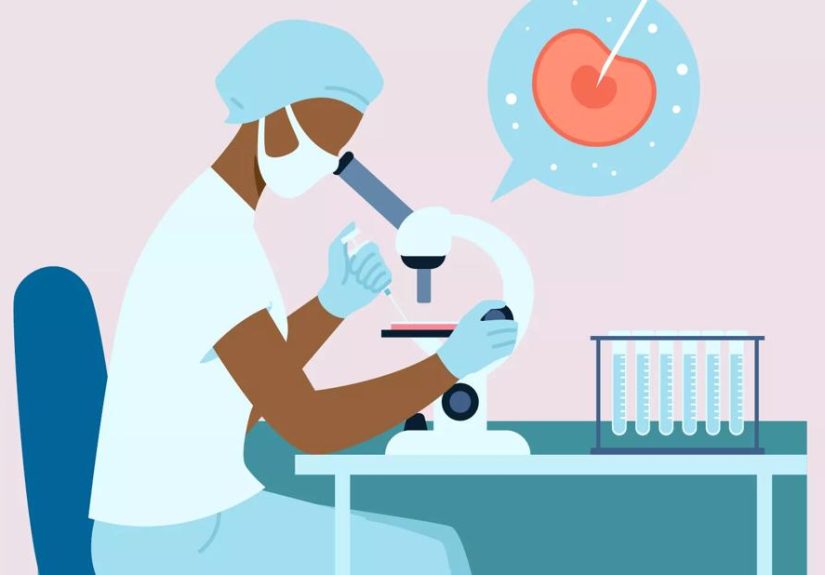
The retrieved eggs are fertilized with sperm. In some cases, a technique called ICSI may be used, where one sperm is injected into an egg. This may be recommended for certain sperm-related fertility issues.
4. Embryo Development
The embryos are observed as they develop over several days. Some patients may choose or be advised to use genetic testing, depending on age, medical history, previous pregnancy loss, or other factors.
5. Embryo Transfer
An embryo is placed into the uterus. The transfer is usually much less invasive than the egg retrieval. Afterward, patients wait for pregnancy testing, often while trying not to overanalyze every twinge, nap, or sudden craving for crackers.
Success Rates: Is IVF More Successful Than IUI?
In general, IVF has higher success rates per cycle than IUI. That does not mean IVF is always the first or best choice for every person. Success depends on age, diagnosis, ovarian reserve, sperm quality, uterine health, previous pregnancies, medication response, and clinic-specific factors.
IUI success rates are often lower per attempt because fertilization still must happen inside the body without direct confirmation. Many clinics estimate IUI success somewhere around the single digits to about 20% per cycle, depending on the patient’s age and fertility diagnosis. Younger patients with open tubes, regular ovulation, and mild fertility factors may have better odds than patients with more complex diagnoses.
IVF success rates are typically higher because eggs, sperm, and embryos are handled in the lab, giving the care team more information at each stage. Still, IVF success is strongly age-dependent, especially because egg quality changes over time. A person under 35 using their own eggs generally has better odds than someone in their 40s, although donor eggs, frozen embryos, and individualized protocols can change the picture.
The most honest answer is this: IVF is usually more efficient per cycle, while IUI is usually simpler and less expensive per cycle. But “per cycle” matters. Several IUI attempts can add up financially and emotionally. On the other hand, IVF can feel like jumping straight into the deep end with goggles, paperwork, and a pharmacy bag that deserves its own ZIP code.
Cost Difference Between IUI and IVF
IUI is generally much less expensive than IVF. Depending on the clinic, medications, monitoring, and sperm source, IUI may cost a few hundred to a couple thousand dollars per cycle. IVF often costs many thousands of dollars per cycle, and the total can rise when medications, genetic testing, embryo freezing, storage, anesthesia, or additional transfers are included.
Insurance coverage varies widely in the United States. Some states have fertility insurance mandates, but coverage details can differ by employer, plan type, diagnosis, and treatment. One plan may cover testing but not treatment. Another may cover IUI before IVF. A third may require prior authorization, multiple forms, and enough patience to qualify for sainthood.
Before starting treatment, patients should ask for a written estimate that separates clinic fees, medication costs, lab fees, anesthesia, monitoring, donor sperm if applicable, embryo freezing, and storage. Fertility costs can be confusing, and surprises are much better at birthday parties than medical billing departments.
Medication and Physical Demands
IUI may involve no medication, oral medication, or injectable medication. When medication is used, the goal is often to support ovulation or improve timing. Monitoring is usually less intense than IVF, though it still matters because too many developing follicles can increase the chance of multiples.
IVF usually involves more medication and more monitoring. Patients may need injections for ovarian stimulation, medications to prevent early ovulation, a trigger shot, and hormones to prepare the uterus for transfer. Side effects can include bloating, mood changes, soreness, fatigue, headaches, or discomfort around the ovaries. Serious complications are less common but possible, which is why medical supervision is important.
Risks and Considerations
Both IUI and IVF can increase the chance of multiple pregnancy, especially when fertility medications are used. Multiple pregnancy can carry higher risks for the pregnant person and babies, so clinics monitor follicle number, embryo transfer decisions, and medication response carefully.
IUI risks are usually lower because it is less invasive. Some people may have mild cramping or spotting. Infection is rare. IVF has additional risks because it includes ovarian stimulation and egg retrieval. Rare but serious risks may include ovarian hyperstimulation syndrome, bleeding, infection, or complications related to the retrieval procedure.
There are also emotional risks. Failed cycles can be painful. Waiting can be stressful. Comparing your journey to someone else’s can make everything feel worse. Fertility treatment is medical care, but it also involves hope, identity, relationships, family expectations, and the occasional urge to throw a pregnancy test into the sun. Support matters.
Who Might Choose IUI First?
IUI may be a reasonable first step when the fertility workup shows open fallopian tubes, reasonable sperm parameters, and ovulation that can be predicted or supported. It may appeal to patients who want a less invasive option, have mild fertility factors, are using donor sperm, or need a lower-cost starting point.
For example, a 31-year-old patient with irregular ovulation but open tubes may try medication plus IUI before moving to IVF. A same-sex female couple using donor sperm may also choose IUI if there are no known fertility issues. A couple with unexplained infertility may attempt several cycles of IUI before considering IVF, depending on age and how long they have been trying.
Who Might Move Straight to IVF?
IVF may be recommended sooner when time is a major factor or when IUI is unlikely to work. This may include blocked fallopian tubes, severe sperm issues, significantly reduced ovarian reserve, certain genetic concerns, recurrent pregnancy loss, advanced maternal age, or several failed IUI cycles.
For example, if both fallopian tubes are blocked, IUI is usually not effective because the sperm and egg cannot meet normally. IVF can bypass the tubes by fertilizing eggs in the lab and transferring an embryo into the uterus. Similarly, when sperm count or movement is very low, IVF with ICSI may offer a better chance than IUI.
IUI vs IVF: Emotional and Lifestyle Differences
IUI often feels easier to fit into daily life. There may be fewer appointments, fewer medications, and less recovery time. That does not make it emotionally easy, especially when repeated cycles do not work. The lower cost per cycle can sometimes make people feel pressure to “just try one more,” even when the emotional tank is blinking empty.
IVF can feel more intense from the beginning. There are more appointments, more decisions, more medications, and more information. Some patients appreciate the added data: how many eggs were retrieved, how many fertilized, how embryos developed, and whether any could be frozen. Others find that information stressful because every update feels like a tiny report card from biology.
Neither experience is automatically easier. IUI may be physically simpler but emotionally repetitive. IVF may be medically complex but more direct. The right choice depends on medical facts and personal capacity.
How Doctors Help Patients Decide
A fertility specialist usually starts with a workup that may include hormone testing, ovarian reserve evaluation, ultrasound, semen analysis, uterine assessment, and checking whether the fallopian tubes are open. The results help determine whether IUI is worth trying or whether IVF offers a better path.
Age is one of the most important factors. A younger patient may have time to try several IUI cycles. Someone in their late 30s or 40s may be advised to consider IVF sooner because fertility can decline with age, especially due to egg quantity and quality. Diagnosis also matters. Mild issues may fit IUI; complex issues may point toward IVF.
A good fertility plan should also consider money, emotional health, cultural values, family goals, medical risks, and how many children a person or couple hopes to have. If more than one child is desired, IVF may offer the possibility of frozen embryos for later use, though nothing is guaranteed.
Common Myths About IVF and IUI
Myth 1: IUI Is Just a Cheaper Version of IVF
Nope. IUI and IVF are different treatments. IUI supports fertilization inside the body. IVF creates embryos in a lab before transfer.
Myth 2: IVF Always Works
IVF can be powerful, but it is not magic. Success depends on many factors, especially age, egg quality, sperm quality, diagnosis, and embryo health.
Myth 3: IUI Is Not Worth Trying
For the right patient, IUI can be a practical and successful option. It is not ideal for every diagnosis, but it can be a reasonable first step when conditions are favorable.
Myth 4: Moving to IVF Means You Failed IUI
Changing treatments is not failure. It is strategy. Fertility care is not a moral scoreboard; it is a medical process with adjustments along the way.
Experience Section: What the IVF vs IUI Journey Can Feel Like
People often walk into fertility treatment expecting a clean decision: choose IUI or choose IVF, follow the steps, receive an answer. Real life is usually messier. Many patients describe the process as a mix of science class, budgeting seminar, emotional roller coaster, and calendar management boot camp. There may be hope in the morning, doubt by lunch, and a sudden need to Google medical acronyms at midnight.
One common experience with IUI is the feeling that treatment is “almost normal” but not quite. The procedure itself may be quick, yet the emotional build-up can be huge. Patients track ovulation, attend monitoring appointments, arrange sperm preparation or donor sperm timing, and then wait. Because IUI is less invasive, friends or family may unintentionally minimize it. They might say, “At least it’s not IVF,” which is about as helpful as telling someone with a flat tire, “At least the car isn’t on fire.” Stress is still stress.
For some, IUI feels empowering because it is a clear first step. It can make people feel they are finally doing something after months or years of uncertainty. For others, repeated IUI cycles can become emotionally draining. Each cycle starts with cautious optimism and ends with either celebration, disappointment, or another round of decisions. The lower cost can be helpful, but it can also create pressure to keep trying even when the heart needs a break.
IVF experiences are often described as more intense but also more informative. Patients may feel overwhelmed by injections, medication schedules, ultrasound appointments, lab updates, and financial decisions. At the same time, IVF can provide answers that IUI cannot. Patients may learn how many eggs were retrieved, how many fertilized, how embryos developed, and whether embryos could be frozen. That information can bring clarity, but it can also make every phone call from the clinic feel like the season finale of a very personal drama.
Another major experience is decision fatigue. With IVF, patients may need to decide whether to do genetic testing, whether to freeze embryos, how many embryos to transfer, what to do with unused embryos in the future, and how to balance success rates with safety. These are not casual “paper or plastic?” decisions. They can involve ethics, faith, finances, medical risk, and long-term family planning.
Relationships may also feel the pressure. Partners may cope differently. One person may want to research every statistic; the other may want to avoid thinking about it until the next appointment. Neither style is wrong, but communication becomes essential. Many patients benefit from counseling, support groups, or simply having one trusted friend who can listen without turning every conversation into advice soup.
Work and daily life can be tricky, too. IUI may require fewer appointments, but timing can still be unpredictable. IVF often requires more monitoring, and egg retrieval may require time off. Patients may choose not to tell coworkers, which can make scheduling feel like a secret mission. “I have an appointment” becomes the official phrase for everything from bloodwork to embryo transfer.
The most important real-world lesson is that there is no universally “easy” fertility treatment. IUI can be lighter medically but heavy emotionally. IVF can be more demanding but may offer higher odds and more information. Many people move from one to the other, and that transition is not a defeat. It is a change in tools. Sometimes you start with a garden hose; sometimes you need the full sprinkler system.
People considering IVF or IUI should give themselves permission to ask detailed questions, request cost breakdowns, seek second opinions, and pause when needed. Fertility treatment is not only about reaching pregnancy. It is also about protecting physical health, emotional well-being, relationships, and future choices along the way.
Conclusion: Which Is Better, IVF or IUI?
The better treatment is the one that fits the medical situation, timeline, budget, and emotional capacity of the patient. IUI is usually less invasive, less expensive, and simpler. It may be a smart first option for people with open fallopian tubes, mild fertility issues, donor sperm needs, or unexplained infertility. IVF is more complex and costly, but it typically offers higher success rates per cycle and more control over fertilization and embryo selection.
In short, IUI helps nature get a better running start. IVF takes more of the process into the lab. Both can be valuable. Both can be stressful. Both deserve clear information, realistic expectations, and compassionate care. The best next step is a complete fertility evaluation and an honest conversation with a specialist who can explain what makes sense for your body, your goals, and your life.