Table of Contents >> Show >> Hide
- Why Food Matters When You Feel Stressed
- 1. Fatty Fish
- 2. Yogurt, Kefir, and Other Fermented Dairy Foods
- 3. Leafy Greens
- 4. Pumpkin Seeds
- 5. Oats
- 6. Beans and Lentils
- 7. Walnuts
- 8. Avocados
- How to Make These Foods Work Better for You
- What People Often Experience When They Start Eating for Calm
- Final Takeaway
- SEO Tags
Stress has a sneaky talent for showing up everywhere. It crashes your sleep, hijacks your focus, invites your shoulders to live permanently near your ears, and somehow convinces you that a third coffee and a vending-machine pastry count as “self-care.” Unfortunately, your nervous system does not find that arrangement adorable.
The good news is that while food is not a magic wand, it can absolutely support a calmer, steadier mood. Nutrition experts consistently point to certain foods that may help the body manage stress better by supporting blood sugar balance, gut health, brain function, hydration, and the production of calming neurotransmitters. In other words, your plate cannot cancel your deadlines, but it can stop adding fuel to the internal drama.
If you want to eat in a way that feels more grounding and less chaotic, start here. These eight stress-relieving foods are backed by expert recommendations for good reason: they are rich in nutrients such as omega-3 fats, magnesium, fiber, probiotics, and antioxidants that may help your body feel a little less like it is preparing for battle every time your phone buzzes.
Why Food Matters When You Feel Stressed
When stress levels rise, your body changes the way it uses energy. Stress hormones can affect blood sugar, appetite, digestion, sleep, and even the kinds of foods you crave. That is why many people bounce between “I forgot to eat all day” and “I just inhaled crackers over the sink.” Neither pattern helps you feel especially zen.
Experts often recommend a simple strategy: eat regular meals, focus on whole foods, include protein and fiber, and build meals around nutrients linked with brain and nerve health. A balanced eating pattern may not erase anxiety or chronic stress, but it can make your body more resilient. Think of it as giving your nervous system a better work environment.
1. Fatty Fish
Why experts like it
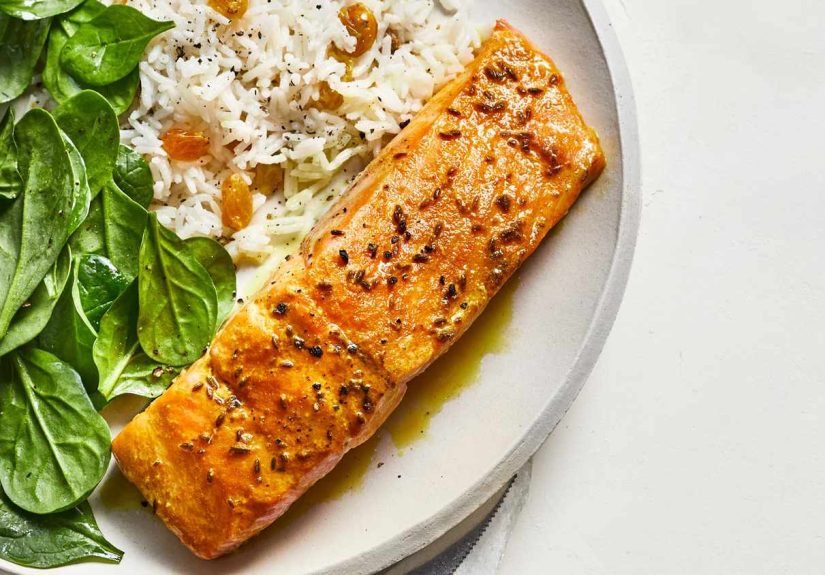
Salmon, sardines, trout, tuna, anchovies, and mackerel are rich in omega-3 fatty acids, which are often highlighted in expert advice on mood and stress support. Omega-3s are involved in brain health and may help support a healthier inflammatory response, which matters because chronic stress and inflammation often travel as an annoying duo.
How it may help calm you
People who eat omega-3-rich foods regularly may support steadier mood regulation over time. Fatty fish also brings protein to the table, which can help prevent the blood-sugar roller coaster that makes you feel shaky, irritable, and weirdly angry at printer noises.
Easy ways to eat it
Try grilled salmon with brown rice, sardines on whole-grain toast, or tuna mixed with olive oil and lemon over a salad. Aim for simple preparation. Deep-frying your “stress relief dinner” into a crunchy oil sponge sort of misses the point.
2. Yogurt, Kefir, and Other Fermented Dairy Foods
Why experts like them
Fermented foods with live cultures, especially yogurt and kefir, are often recommended because of the growing interest in the gut-brain connection. Your digestive system and nervous system communicate constantly. So yes, your stomach and your mood are in a relationship, and sometimes it is complicated.
How they may help calm you
Foods with probiotics may help support a healthier gut microbiome, and that may influence how your body responds to stress. They are not miracle foods, but they are a smart addition to a calm-supportive routine. Yogurt and kefir can also provide protein, which is another plus for stable energy and fewer emotional hostage situations caused by hunger.
Easy ways to eat them
Choose plain or lower-sugar yogurt and add berries, oats, chia seeds, or walnuts. Kefir works well in smoothies. If dairy is not your thing, you can also include other fermented foods in your meals, but yogurt and kefir are especially convenient for everyday use.
3. Leafy Greens
Why experts like them
Spinach, Swiss chard, kale, and similar greens are rich in magnesium and other important nutrients. Magnesium is one of the stars of the stress-nutrition conversation because it supports nerve and muscle function and may help the body regulate stress responses more effectively.
How they may help calm you
A diet that regularly includes magnesium-rich foods may help you feel less tense over time, especially if your intake has been low. Greens also provide fiber and beneficial plant compounds, which support overall health and may help you feel more balanced physically. Calm is easier when your body is not running on fries and vibes.
Easy ways to eat them
Add spinach to omelets, blend it into smoothies, sauté kale with olive oil and garlic, or toss mixed greens into sandwiches and grain bowls. No, the tiny lettuce leaf under a burger patty does not count as a meaningful serving.
4. Pumpkin Seeds
Why experts like them
Pumpkin seeds are small but nutritionally overachieving. They are packed with magnesium and also provide zinc, healthy fats, and a little protein. They are one of the easiest portable foods to keep around when you want something that feels snackable without sending your energy into a nosedive.
How they may help calm you
Because they combine minerals, fat, and protein, pumpkin seeds may help support steadier energy and a calmer body. Magnesium is the headline here, but the overall nutrient package matters too. This is one of those foods that does not need great marketing because it quietly gets the job done.
Easy ways to eat them
Sprinkle them over oatmeal, yogurt, salads, or roasted vegetables. You can also eat a small handful on their own. Unsalted versions are usually the better everyday pick.
5. Oats
Why experts like them
Oatmeal is one of the most practical stress-supportive foods because it delivers complex carbohydrates and fiber. Experts often recommend whole grains when talking about mood and stable energy because they digest more slowly than refined carbs and help support better blood sugar control.
How they may help calm you
When blood sugar swings hard, your mood often comes along for the ride. Oats can help provide a steadier release of energy, which may reduce that edgy, frazzled feeling that often shows up when you are underfed or living on sugary snacks. Warm oatmeal also has the bonus feature of feeling like a small life hug.
Easy ways to eat them
Make classic oatmeal with fruit and nuts, use overnight oats for busy mornings, or stir oats into yogurt for extra texture. Keep the toppings smart. Turning your oatmeal into dessert with half a bottle of syrup is not exactly the relaxation plan experts had in mind.
6. Beans and Lentils
Why experts like them
Beans and lentils check a lot of useful boxes at once: fiber, plant protein, magnesium, iron, and complex carbohydrates. That combination is excellent for people who want meals that satisfy, support stable energy, and do not leave them rummaging for cookies an hour later.
How they may help calm you
These foods help build balanced meals that digest slowly and support blood sugar steadiness. They also fit beautifully into eating patterns often linked with better overall mood, such as Mediterranean-style meals built around whole foods, plants, healthy fats, and regular meal timing.
Easy ways to eat them
Use lentils in soup, add black beans to tacos or grain bowls, toss chickpeas into salads, or make a simple bean stew with vegetables and olive oil. Comfort food and useful nutrition can, in fact, coexist peacefully.
7. Walnuts
Why experts like them
Walnuts bring healthy fats, fiber, and plant-based omega-3s to the table. While fatty fish is the heavyweight champion of omega-3-rich foods, walnuts are a convenient everyday option for people who want a plant-based choice that still supports brain health.
How they may help calm you
The mix of fat, fiber, and a bit of protein can help make snacks more satisfying and less likely to spike and crash your energy. Walnuts also pair easily with other stress-friendly foods such as oats, yogurt, berries, and leafy salads, which makes them practical, not just impressive on paper.
Easy ways to eat them
Chop walnuts into oatmeal, stir them into yogurt, add them to salads, or eat a small handful with fruit. They are the kind of food that quietly makes everything feel more put together, including you.
8. Avocados
Why experts like them
Avocados show up often in expert advice on stress-friendly eating because they contain fiber, healthy unsaturated fats, and magnesium. They are also versatile enough to work at breakfast, lunch, dinner, or that 4 p.m. moment when your brain starts buffering.
How they may help calm you
Fat plus fiber is a useful combination for stable energy and fuller, more satisfying meals. That matters because eating patterns that leave you hungry again twenty minutes later can make stress feel louder. Avocados help meals stick with you a bit longer, which is a very underrated form of emotional support.
Easy ways to eat them
Slice avocado onto toast with eggs, mash it into a bean wrap, add it to salads, or blend a small amount into smoothies. Portion awareness still matters, but there is no need to fear a food just because the internet discovered the word “fat.”
How to Make These Foods Work Better for You
The biggest secret is that stress-relieving foods work best when they show up as part of a pattern, not as random nutritional cameos. A salmon dinner followed by two skipped meals and five coffees is not exactly a wellness arc.
To get more benefit from these foods, try to:
- Eat regular meals instead of waiting until you are ravenous.
- Combine carbohydrates with protein, fat, or fiber for steadier energy.
- Drink enough water throughout the day.
- Go easy on high-sugar foods when stress is already making you feel jittery.
- Watch your caffeine intake if anxiety tends to show up with a racing heart.
Also, be realistic. Food can support a calmer body, but it does not replace therapy, medical care, sleep, movement, or actual boundaries. Sadly, no amount of pumpkin seeds can fix a toxic group chat.
What People Often Experience When They Start Eating for Calm
One of the most noticeable changes people describe is not a dramatic movie moment where they eat a spoonful of yogurt and instantly become a forest monk. It is usually subtler than that. They start feeling a little more even. A little less snappy. A little less likely to mistake low blood sugar for a personal crisis. Morning feels more manageable after oatmeal with walnuts instead of a pastry and coffee. Afternoon meetings feel less punishing when lunch included salmon, rice, and greens instead of a sad grab-and-go snack inhaled in five minutes.
Many people also notice that balanced meals create a different kind of calm than comfort food binges do. Comfort food can feel soothing in the moment, and there is nothing wrong with enjoying it, but a meal built with protein, fiber, healthy fats, and slow-digesting carbs tends to leave you feeling nourished instead of sleepy, wired, or oddly hungry again an hour later. That difference matters. It is the difference between “I feel cared for” and “Why am I eating crackers in the dark over the sink?”
Another common experience is improved predictability. When you start keeping calming staples around, your day gets easier. Plain yogurt in the fridge, pumpkin seeds in a jar, oats in the pantry, greens ready to wash, canned salmon or tuna for quick lunches, beans for soups or bowls, walnuts for snacks, avocados for toast or salads. Suddenly your meals require less emotional negotiation. You are not asking your stressed brain to invent dinner from nothing. You have a plan, and stressed brains love a plan almost as much as they love catastrophizing.
People also talk about how these foods help them feel physically steadier. Not “perfect,” not “stress-free,” but steadier. Less shaky when they get busy. Less foggy by midafternoon. Less likely to bounce between overfull and starving. That physical steadiness often translates into emotional steadiness, too. When your body feels fueled, hydrated, and not wildly swinging between peaks and crashes, your mood often follows.
There is also a comforting routine element to stress-supportive foods. A bowl of warm oatmeal on a cold morning. Yogurt with berries after a rushed day. Lentil soup at dinner when everything feels louder than necessary. Walnut-studded salad with avocado at lunch. These are small experiences, but they add up. Food becomes less about rules and more about rhythm. Less punishment, more support.
And perhaps the best part is that calmer eating usually feels sustainable. These are not exotic ingredients, expensive powders, or foods that require a ring light and a personal chef. They are normal foods from normal grocery stores. That matters because helpful habits should fit into real life. The goal is not to eat like a wellness robot. The goal is to build meals that help your body feel safer, steadier, and a little less likely to interpret every email notification as the opening scene of a disaster film.
Over time, the experience becomes less about chasing a single “anti-stress” superfood and more about trusting a pattern: regular meals, more whole foods, enough water, smart snacks, and nutrient-rich ingredients that actually do something useful. That kind of consistency is where the calm starts to feel real.
Final Takeaway
If you want a calmer plate, do not look for one magic ingredient wearing a cape. Look for a pattern. Fatty fish, yogurt or kefir, leafy greens, pumpkin seeds, oats, beans and lentils, walnuts, and avocados all offer nutrients experts commonly connect with better stress support. They help because they nourish your brain, steady your energy, support your gut, and make your meals more balanced overall.
Start simple. Add oats at breakfast. Keep pumpkin seeds at your desk. Swap one ultra-processed snack for yogurt and berries. Put salmon or beans on your dinner rotation. Tiny changes are still changes, and your nervous system does not need perfection. It just needs fewer reasons to file a complaint.
If stress or anxiety feels intense, constant, or disruptive, it is important to talk with a healthcare professional. Food can help support calm naturally, but it should be part of the plan, not the whole plan.