Table of Contents >> Show >> Hide
- What is emotional epidemiology, exactly?
- Why emotions belong in any serious conversation about disease
- Where clinical epidemiology alone falls short
- Real-world examples of emotional epidemiology in action
- What healthcare and public health should do differently
- Why this idea matters more than ever
- Experiences that show why emotional epidemiology matters
- Conclusion
Public health loves numbers, and for good reason. Infection rates, hospitalization trends, mortality curves, medication adherence, and risk ratios all help us understand what disease does. But numbers alone do not explain why one patient delays care for months, why another ignores a frightening symptom, why a community rejects sound medical advice, or why a family leaves a hospital feeling more wounded than healed. That is where emotional epidemiology enters the room, coffee in hand, asking the question clinical spreadsheets often miss: How are people feeling their way through disease?
Clinical epidemiology maps what illness does to bodies. Emotional epidemiology maps what illness does to minds, relationships, choices, and trust. The two are not rivals. They are dance partners. If one steps forward while the other stands frozen in the corner, the entire routine falls apart.
That is why the emotional epidemiology of disease is as critical as clinical epidemiology. Disease is never just biological. It is also interpreted, feared, denied, dramatized, stigmatized, mourned, and sometimes misunderstood beyond recognition. Whether the issue is cancer, diabetes, chronic pain, heart disease, dementia, or an infectious outbreak, emotions shape what people believe, what they do next, and how well they recover.
What is emotional epidemiology, exactly?
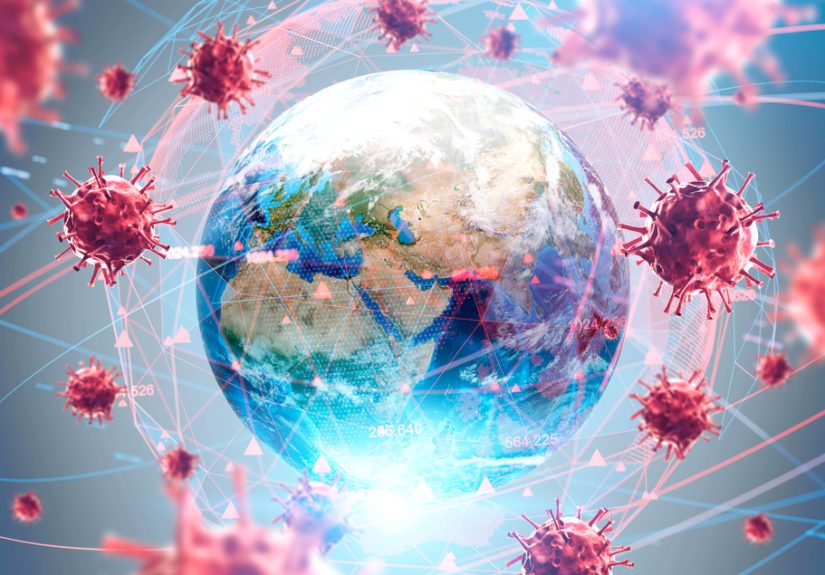
The phrase emotional epidemiology has been used to describe the way feelings about disease spread, shift, and influence behavior across a population. In other words, fear, relief, suspicion, shame, hope, anger, and fatigue can move through communities almost like a parallel outbreak. Not a virus, exactly, but certainly a force with serious consequences.
During a health crisis, people do not simply process data like calm little robots in cardigans. They react emotionally. One week the public may panic, the next week it may tune out, and by the week after that it may become skeptical, exhausted, or numb. Those emotional swings can shape vaccine confidence, willingness to get screened, compliance with treatment, trust in clinicians, and support for public-health measures.
That is why disease perception matters almost as much as disease prevalence. If people feel ashamed of a diagnosis, they may hide it. If they feel overwhelmed, they may avoid appointments. If they feel dismissed, they may never come back. If they feel respected and supported, they are far more likely to stay engaged in care. Medicine may start in the lab, but outcomes often rise or fall in the messy, very human territory of emotion.
Why emotions belong in any serious conversation about disease
1. Emotions affect health behavior
Plenty of health decisions that look irrational from the outside make emotional sense from the inside. A patient who misses follow-up visits may not be careless. They may be terrified of bad news. A person with chest pain may delay going to the emergency room because denial feels safer than possibility. Someone newly diagnosed with diabetes may understand the treatment plan perfectly and still resist it because the diagnosis feels like a personal failure.
This is the hidden machinery of health behavior. People do not act on information alone. They act on information filtered through emotion, identity, social pressure, previous experiences, and trust. That means fear can delay treatment, shame can reduce disclosure, and hopelessness can quietly sabotage self-management.
2. Stress is not just “in your head”
Chronic stress is not a dramatic side note added for emotional effect. It is a real health issue with real consequences. Prolonged stress can affect sleep, appetite, concentration, inflammation, blood pressure, and the ability to maintain healthy routines. When stress becomes a permanent roommate, disease management gets harder. Patients may forget medications, lose motivation to exercise, skip preventive care, or withdraw from social support.
That matters in chronic conditions especially. Heart disease, cancer, chronic pain, autoimmune disorders, and neurological illness often come with a heavy emotional burden. The disease itself may be hard, but the emotional labor of carrying it every day can be brutal. And no, “just stay positive” is not a treatment plan. It is a refrigerator magnet with good public relations.
3. Depression and chronic illness often feed each other
One of the clearest reasons emotional epidemiology matters is the well-established link between chronic disease and mental health. People living with chronic illness are more likely to experience depression and anxiety. At the same time, depression can worsen disease management by reducing energy, disrupting sleep, clouding thinking, and making adherence harder. It is a cruel two-way street.
This creates a loop: illness increases distress, distress makes care harder, harder care worsens outcomes, and worsening outcomes intensify distress. If clinicians track only blood markers, scans, or medication lists, they may miss the emotional engine driving the whole cycle.
4. Social connection changes outcomes
Loneliness and isolation are not just sad lifestyle accessories. They are meaningful health risks. Social connection can influence whether people get help early, stick with treatment, manage stress, and preserve a sense of purpose. On the flip side, isolation can magnify depression, anxiety, and even the physical burden of illness.
That is one reason emotional epidemiology has to look beyond individual psychology and into community life. Disease does not happen in a vacuum. It happens in families, neighborhoods, workplaces, and online ecosystems where support, stigma, misinformation, and belonging all shape outcomes.
Where clinical epidemiology alone falls short
Clinical epidemiology is excellent at answering questions like:
- Who is at greater risk?
- Which treatment works best?
- What is the incidence, prevalence, or mortality pattern?
- How effective is a given intervention?
Those are essential questions. But they are incomplete on their own. They do not fully explain:
- Why some groups distrust medical institutions
- Why public-health advice fails even when evidence is strong
- Why symptom severity and suffering do not always match
- Why two patients with the same diagnosis can have wildly different experiences and outcomes
- Why emotional harm in healthcare can linger long after physical healing begins
Patient experience matters here. A disrespectful encounter can discourage future care. A rushed explanation can create confusion and panic. A dismissive tone can make a patient feel invisible. In serious illness, that emotional harm is not decorative damage. It can alter trust, adherence, and willingness to seek help again.
Healthcare has historically taken physical harm more seriously than emotional harm, but that divide is increasingly hard to defend. If a patient leaves a clinical setting medically stabilized but emotionally shattered, the care story is not over. In some cases, it may have only begun.
Real-world examples of emotional epidemiology in action
Infectious disease outbreaks
During outbreaks, public response is shaped not only by transmission patterns but also by the spread of fear, rumor, fatigue, and politicized distrust. Even accurate guidance can fail if it is delivered without empathy, cultural awareness, or credibility. A technically correct message that ignores public emotion is like bringing a calculator to a house fire. Useful in theory, awkward in practice.
This is why public health communication must account for emotional climate. People need facts, yes, but they also need context, honesty, and a sense that health leaders understand what ordinary life feels like when risk becomes personal.
Cancer care
In oncology, distress can influence everything from whether patients report symptoms to how they tolerate treatment and whether they feel able to keep going. The medical plan may be clear, but the emotional experience can be chaotic: fear of recurrence, treatment fatigue, changed identity, financial strain, grief over the loss of normal life, and the pressure to perform bravery for everyone else.
That is why some experts have argued that psychological distress should be treated with the seriousness of a vital sign. Not because emotions are separate from cancer care, but because they are woven into it.
Chronic pain
Chronic pain and mental health are deeply entangled. Pain affects sleep, work, movement, social life, mood, and self-worth. Over time, pain can shrink a person’s world. The emotional toll may include frustration, grief, irritability, guilt, and depression. When care ignores that dimension, patients may feel like they are being measured but not understood.
A purely clinical view might focus on severity scores and imaging. An emotional epidemiology view asks: How has pain altered this person’s relationships, identity, hope, and daily function? That broader question often reveals what treatment plans need in order to work in real life.
Heart disease and diabetes
Conditions such as heart disease and diabetes require sustained self-management. That means diet decisions, medication routines, follow-up visits, stress regulation, exercise, sleep, and often major lifestyle changes. In theory, the plan can look neat and logical. In practice, emotional strain can knock over the whole shelf.
Depression can make self-care feel pointless. Anxiety can lead to hypervigilance or avoidance. Shame can keep people from admitting they are struggling. Emotional support, clear communication, and integrated behavioral health are therefore not extras. They are part of disease management.
What healthcare and public health should do differently
Measure emotional risk, not just biological risk
Screening for distress, depression, loneliness, burnout, trauma exposure, caregiver strain, and treatment fatigue should be more routine, especially in chronic disease care. If clinicians only ask about symptoms in the body, they miss the symptoms shaping the body’s future.
Integrate mental health into routine care
Behavioral health should not be treated like a separate building at the far edge of the medical universe. Integrated care models make more sense, especially for patients with chronic disease, neurological illness, pain disorders, and serious diagnoses. When emotional support is built into medical care, patients are more likely to use it.
Treat respect as a safety issue
Disrespect, dismissal, and poor communication can create emotional harm that influences future care. Respectful care is not just about niceness. It is about safety, trust, and clinical effectiveness. A patient who feels heard is more likely to share accurate information, ask questions, and stay engaged.
Design communication for humans, not idealized data processors
Public-health messaging should acknowledge uncertainty, address fear without amplifying it, and avoid talking down to the public. People can handle complexity better than many institutions assume. What they struggle with is coldness, contradiction, or messaging that sounds like it was approved by six committees and a fax machine.
Support families and caregivers too
Disease affects more than the diagnosed person. Caregivers often carry emotional burdens that influence patient outcomes, family stability, and decision-making. Emotional epidemiology must include the ripple effects of illness across households and support networks.
Why this idea matters more than ever
Modern healthcare has better diagnostics, better therapeutics, and more data than ever before. Yet many patients still feel confused, dismissed, isolated, or emotionally flattened by the experience of being ill. That gap tells us something important: scientific progress is not enough if the emotional reality of disease remains undercounted.
We need a fuller model of health, one that recognizes disease as biological, psychological, social, and relational all at once. Emotional epidemiology does not weaken science. It strengthens it by making it more realistic. Bodies do not go to appointments alone. People do. And people bring fear, history, bias, culture, hope, trauma, and longing into every healthcare encounter.
If public health wants better outcomes, it has to care not only about where disease spreads, but also about where trust breaks, where stigma grows, where exhaustion settles in, and where support quietly changes everything.
Experiences that show why emotional epidemiology matters
Imagine a woman in her early fifties who is told she has breast cancer. Her tumor is caught early, her care team is excellent, and her treatment plan is evidence-based. On paper, this is a success story waiting to happen. But in the days after diagnosis, she cannot hear half of what the oncologist says because the word cancer has swallowed the room. At home, she smiles for relatives, Googles terrifying things at midnight, and starts avoiding friends because she does not want to manage their reactions on top of her own fear. Nothing in her chart fully captures the emotional storm that will shape whether she sleeps, eats, asks questions, or shows up ready to decide.
Or think about a man with newly diagnosed type 2 diabetes. He is handed a diet plan, exercise advice, and a prescription. What nobody sees right away is that he feels ashamed. In his mind, the diagnosis means he has failed at adulthood, failed at discipline, failed at taking care of himself. So he nods in the clinic, jokes about cutting out donuts, and goes home feeling quietly defeated. He does not skip care because he is lazy. He skips because shame is a terrible motivator and an even worse roommate.
Then there is chronic pain, perhaps the grand champion of invisible emotional labor. A person can look “fine” to coworkers while living inside a body that feels like it has replaced comfort with static electricity and betrayal. Over time, pain changes how they plan, socialize, work, parent, and imagine the future. They may stop accepting invitations because they never know how they will feel. They may sound irritable not because they are rude, but because being in pain all day tends to erase one’s interest in small talk and cheerful nonsense. If clinicians focus only on pain intensity and not the grief, isolation, and identity loss surrounding the pain, treatment stays shallow.
Caregivers live this reality too. A daughter caring for a parent with dementia may become hyperalert, exhausted, and lonely, all while trying to appear competent. She learns medication schedules, fall precautions, insurance terminology, and how to answer the same question twenty times before lunch. But what drains her most may be anticipatory grief: the feeling that she is losing her parent in slow motion. Emotional epidemiology helps us see that her distress is not background noise. It is part of the health landscape around the disease.
Even routine healthcare experiences can leave a lasting emotional imprint. A patient whose symptoms are dismissed once may delay care the next time something feels wrong. A family treated with respect during a frightening hospitalization may remember the hospital as a place of safety, not trauma. A physician who takes one extra minute to explain uncertainty can reduce panic more effectively than a stack of pamphlets. These moments seem small, but they accumulate. And once they accumulate across thousands or millions of people, they become population-level patterns.
That is the heart of emotional epidemiology: private feelings become public consequences. Fear affects screening. Shame affects disclosure. Trust affects adherence. Loneliness affects resilience. Respect affects whether care continues. When we understand those emotional patterns, disease becomes easier to treat not only medically, but humanely.
Conclusion
Clinical epidemiology tells us where disease goes. Emotional epidemiology tells us what disease feels like, how people respond, and why outcomes diverge even when medical guidance is clear. If healthcare wants to improve prevention, treatment, adherence, and recovery, it must take emotions as seriously as lab values and case counts. Disease spreads through bodies, yes, but it also travels through fear, trust, stigma, grief, and hope. Ignore that truth, and the data will always be incomplete.