Table of Contents >> Show >> Hide
- So, Do Home Remedies for Acne Work?
- Home Remedies That May Help a Little
- Popular Acne Home Remedies That Can Backfire
- What Usually Works Better Than Most Home Remedies
- A Simple At-Home Routine for Mild Acne
- How Long Should You Try Home Acne Care?
- When to See a Dermatologist
- What Real-Life Acne Trial and Error Often Feels Like
- Final Verdict
- SEO Tags
Acne has a way of showing up like an uninvited party guest: loud, dramatic, and somehow always early. One day your skin is behaving, and the next day your chin looks like it has entered a public disagreement with your hormones. So it makes sense that people go hunting for quick, cheap, at-home fixes. Open your kitchen cabinet, scroll social media for 30 seconds, and suddenly you will find lemon juice, honey, aloe vera, green tea, toothpaste, apple cider vinegar, and about 47 other so-called miracle cures.
But here is the real question: Do home remedies for acne actually work? The honest answer is a very unsatisfying but very useful one: some can help a little, some can calm irritation, and some are absolutely more drama than medicine. If you are hoping for a magical dab of pantry goo that clears clogged pores, reduces oil, fights inflammation, and prevents new breakouts overnight, your kitchen is going to disappoint you.
This is where a little science helps. Acne is not simply “dirty skin,” and it is not proof that you forgot to wash your face. It usually develops when oil, dead skin cells, inflammation, and acne-causing bacteria team up and clog hair follicles. Hormones, genetics, friction, certain products, and even stress can make it worse. That means the best acne care is usually less about attacking your face like it insulted your family and more about using gentle, consistent, evidence-based treatment.
So, Do Home Remedies for Acne Work?
Yes and no.
Some home remedies for acne may reduce redness, soothe inflamed spots, or slightly improve mild breakouts. A few ingredients, especially tea tree oil and sulfur-based products, have some evidence behind them. Others may be useful as supportive skin care rather than true acne treatment. But many popular remedies do not treat acne at the source, and a few can irritate your skin enough to make breakouts look worse.
That is the key distinction. A remedy might make a pimple look less angry for a day or two, but that does not mean it is preventing future acne. In other words, something can be soothing without being a real acne strategy. Your skin knows the difference, even if TikTok does not.
Home Remedies That May Help a Little
Tea Tree Oil
If natural acne remedies had a class president, tea tree oil would probably win the election. It has some antibacterial and anti-inflammatory properties, and research suggests it may help with mild acne. That said, the evidence is still limited, and it is not a cure-all.
Tea tree oil seems most promising when it is used in properly diluted topical products. The problem is that people often get a little too enthusiastic and go straight for undiluted essential oil. That is a mistake. Full-strength tea tree oil can irritate skin, trigger redness, and leave sensitive faces deeply unimpressed.
If you want to try it, use a product specifically made for acne-prone skin rather than turning your bathroom into a chemistry lab. Think “measured and cautious,” not “let me freestyle with an eyedropper.”
Aloe Vera
Aloe vera is more of a skin soother than a true acne fighter. It can help calm redness and irritation, especially if a pimple is inflamed or your skin barrier is feeling cranky. That makes it a decent sidekick, but not the superhero.
What aloe vera does not do well is prevent new breakouts from forming. So if you are dealing with regular acne flares, aloe may make your skin feel better, but it probably will not solve the bigger problem. It works best as a calming add-on in a simple routine.
Honey
Honey has antibacterial properties and can support wound healing, which is why it has earned a glowing reputation in natural skin care. It may help soothe irritated skin and reduce the look of an angry blemish. But acne is not just a surface issue. It begins inside clogged pores, and honey does not reliably get in there and fix the traffic jam.
So yes, honey may be comforting. No, it is not a serious long-term treatment for recurring acne. It is more spa day than strategy.
Green Tea
Green tea sounds healthy enough to solve all human problems, but acne is not quite that easy. Topical green tea ingredients may have mild anti-inflammatory and antioxidant benefits. That means they can support overall skin comfort, and some people like them in serums or moisturizers.
But green tea is not a powerhouse acne treatment. Drinking cup after cup will not magically erase breakouts, and applying random wet tea leaves to your face is not exactly elite skin care. As a supporting ingredient, fine. As your entire acne plan, not so much.
Zinc
Zinc is one of the more interesting natural-adjacent options because it has some evidence behind it. Topical zinc may help mild acne in certain products, and some studies suggest zinc can support acne care more broadly. Even so, this is not a “more is better” situation.
Before taking zinc supplements for acne, it is smart to talk to a healthcare professional. Supplements can cause side effects and interact with medications. Skin care should not feel like gambling with your vitamin cabinet.
Sulfur
Sulfur is not glamorous, and it definitely does not sound luxurious, but it has something more useful than glamour: a track record. Sulfur-based cleansers and spot treatments can help reduce oil and loosen dead skin cells, making them a reasonable at-home option for mild acne. They also tend to be gentler for some people than benzoyl peroxide.
The downside is that sulfur can smell a bit like a science fair volcano. The upside is that your pores do not care about branding.
Popular Acne Home Remedies That Can Backfire
Apple Cider Vinegar
Apple cider vinegar has become the internet’s favorite answer to almost everything, including problems it has absolutely no business solving. For acne, the issue is simple: it is highly acidic, can disrupt your skin barrier, and can cause burning or irritation. There is no solid evidence that it treats acne effectively.
If a remedy leaves your skin dry, stinging, and shiny in a bad way, that is not “working.” That is your face filing a complaint.
Lemon Juice
Lemon belongs in water, dressing, or pie. It does not belong on an inflamed pimple. Fresh lemon juice is acidic and irritating, especially on already-sensitive skin. It can sting, increase dryness, and make post-acne marks more obvious. In some cases, citrus on skin followed by sun exposure can cause even more trouble.
Natural does not automatically mean gentle. Poison ivy is natural, too. Nature is not always your esthetician.
Toothpaste
This is one of the oldest acne myths around, and it needs to retire. Toothpaste is formulated for teeth, not facial skin. It may contain abrasive ingredients, whitening agents, flavoring, and other compounds that can irritate pimples and the surrounding skin.
Yes, toothpaste can dry a spot out. It can also leave you with redness, irritation, and regret. There are better spot treatments made specifically for acne, and your face deserves that level of respect.
Harsh Scrubs and Over-Washing
When acne shows up, many people try to scrub it off like they are cleaning grout. Unfortunately, acne is not dirt. Harsh scrubs, rough washcloths, cleansing brushes, and overwashing can strip the skin, increase irritation, and make breakouts worse.
If your skin feels tight, raw, or squeaky after cleansing, that is not a victory. That is your skin barrier waving a tiny white flag.
What Usually Works Better Than Most Home Remedies
Here is the plot twist: some of the most effective at-home acne treatments are not trendy, exotic, or expensive. They are the familiar over-the-counter ingredients dermatologists talk about over and over because, inconveniently for social media, they actually work.
Benzoyl Peroxide
Benzoyl peroxide helps reduce acne-causing bacteria and can also cut down on oil and inflammation. It is a classic for a reason. Lower strengths often work well and may be less irritating than stronger versions. The main catch is that it can bleach towels, pillowcases, and anything else you love.
Salicylic Acid
Salicylic acid helps unclog pores and exfoliate dead skin cells. It is especially useful for blackheads and whiteheads. If your acne is mostly tiny bumps, clogged pores, and texture issues, this ingredient often deserves a spot in your routine.
Adapalene
Adapalene is one of the most valuable acne treatments available without a prescription. It helps keep pores from clogging and can prevent new breakouts over time. It is not an overnight fix, but it is one of the best examples of a treatment that addresses the actual process behind acne instead of just trying to calm the aftermath.
Noncomedogenic Moisturizer and Sunscreen
These are not acne treatments by themselves, but they matter. A good moisturizer supports your skin barrier, especially if you are using active ingredients that cause dryness. Sunscreen helps protect skin that may be more sensitive from acne products and can reduce the worsening of dark post-acne marks.
In acne care, boring is often beautiful. Gentle cleanser, smart treatment, light moisturizer, sunscreen. It is not flashy, but neither is clear skin at 7 a.m., and yet we all want that.
A Simple At-Home Routine for Mild Acne
If your acne is mild and you want to keep things simple, a steady routine usually works better than bouncing between ten viral hacks.
Morning: wash with a gentle cleanser, use a benzoyl peroxide or salicylic acid product if your skin tolerates it, then apply a lightweight noncomedogenic moisturizer and sunscreen.
Night: cleanse gently again, apply adapalene or another acne treatment if appropriate, and finish with moisturizer.
If you want to try a natural ingredient such as aloe vera or tea tree oil, use it as a supporting product, not the foundation of the entire routine. And do not introduce five new things at once unless you enjoy detective work with your pores.
How Long Should You Try Home Acne Care?
This is where patience enters the chat. Acne treatments usually take time. Mild acne often needs several weeks, and sometimes two to three months, before you can fairly judge whether something is working. That delay is one reason people jump from remedy to remedy and accidentally make their skin worse.
Consistency matters more than novelty. If you switch products every four days because you are not seeing instant results, your skin never gets a real chance to respond. Acne is stubborn. It does not care that you are trying very hard.
When to See a Dermatologist
Home treatment is reasonable for mild acne, but there are clear times when professional care is the better move.
You should consider seeing a dermatologist if your acne is painful, deep, cystic, spreading to larger areas, causing scarring, leaving dark marks, or not improving after consistent use of over-the-counter care. You should also get help sooner if acne is seriously affecting your confidence, mood, or daily life.
That is not vanity. It is health. Acne can affect self-esteem, social comfort, and how people feel in their own skin. There is no prize for suffering through it alone while your bathroom sink becomes a graveyard of failed miracle cures.
What Real-Life Acne Trial and Error Often Feels Like
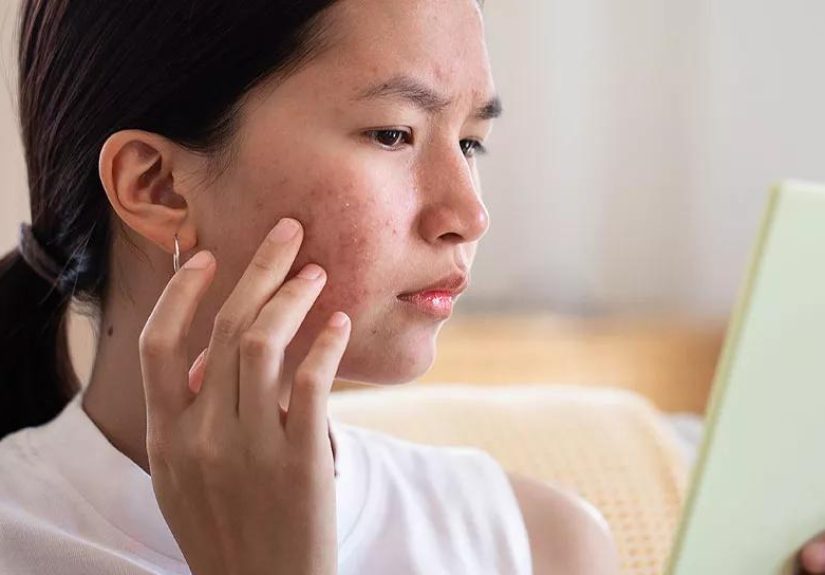
One reason the topic of home remedies for acne never goes away is that acne is not just a skin issue. It is an experience. It changes the way people get ready in the morning, the way they look at themselves in mirrors, and sometimes even the way they move through social situations. The emotional side is often what sends people searching for quick home fixes in the first place.
A common pattern starts with one breakout that seems manageable. Someone tries a simple remedy they heard about from a friend, a parent, or a social media creator. Maybe it is aloe vera because it feels gentle. Maybe it is honey because it sounds wholesome. Maybe it is tea tree oil because it has a “natural but effective” reputation. At first, there is hope. The pimple looks a little flatter the next day, and suddenly the remedy gets promoted to miracle status.
Then reality tends to complicate things. The next breakout appears. Or three more do. Or the skin starts feeling dry, tight, and irritated because too many products were layered at once. This is when people often start mixing approaches: a natural remedy here, a scrub there, a spot treatment from the drugstore, maybe an acid toner borrowed from a sibling or a roommate. Instead of a routine, it becomes a chemistry experiment with anxiety as the main ingredient.
Another very real experience is the frustration of doing “all the right things” and not seeing immediate results. Acne treatment usually moves slowly. Skin cells do not read motivational quotes, and pores do not clear on command. Many people give up too soon, not because the routine was wrong, but because the timeline felt unfair. That is understandable. Waiting six to eight weeks for improvement can feel like six to eight fiscal quarters when a breakout is parked on the center of your face.
There is also the temptation to attack acne harder when it refuses to leave. People scrub more, wash more, spot-treat more, and pile on harsher ingredients, thinking intensity equals effectiveness. But the experience of irritated, flaky, inflamed skin often teaches the opposite lesson: acne-prone skin usually responds better to consistency and restraint than to panic and punishment.
For many people, the turning point comes when they simplify. They stop trying to win a wrestling match against their skin. They use a gentle cleanser, a proven acne treatment, a lightweight moisturizer, and sunscreen. They stop picking. They stop changing products every week. They let the routine be boring enough to work. It is not glamorous, but it is often the first time the skin starts to calm down.
And when home care still is not enough, seeing a dermatologist often feels less like defeat and more like relief. Instead of guessing, people finally get a plan. Instead of blaming themselves, they learn that hormones, genetics, inflammation, and skin sensitivity are part of the picture. That shift matters. Acne feels a lot less personal once you understand it is a medical condition, not a moral failure or a sign that you somehow offended your cleanser.
So yes, the experience of trying home remedies for acne is real, messy, hopeful, frustrating, and deeply human. The trick is not to expect every “natural” idea to be a skin savior. Sometimes the most helpful lesson is learning which remedies are worth a cautious try, which ones belong in the trash, and when your skin is politely asking for expert help.
Final Verdict
Home remedies for acne can work a little, depending on the ingredient and the kind of breakout you have. Tea tree oil, sulfur, and soothing ingredients like aloe vera may have a place in a mild acne routine. But most natural remedies are either weakly supported, helpful only for irritation, or too harsh to be worth the risk.
If you want the best chance of clearer skin at home, focus less on trendy DIY fixes and more on a gentle routine with ingredients that have actual evidence behind them. Mild cleanser, targeted acne treatment, moisturizer, sunscreen, patience. Not sexy, but very effective.
And if your acne is severe, painful, scarring, or just plain refusing to cooperate, that is your sign to call a dermatologist instead of interrogating your spice rack.