Table of Contents >> Show >> Hide
- Why Crochet and Knit Clothes Have Such a Loyal Fan Club
- What Counts as Crochet or Knit Clothes?
- Why People Love Showing Off Handmade Clothes Online
- How to Make Crochet and Knit Clothes Look Amazing
- Styling Ideas for Handmade Clothes
- If You’re Sharing Your Handmade Clothes, What Should You Show?
- Why Handmade Clothes Matter More Than Ever
- Maker Experiences: The Real-Life Joy of Wearing What You Made
- Conclusion
Some people collect sneakers. Some people collect vinyl. And some of us look at a ball of yarn and think, “Yes, this shall become a cardigan, and yes, I will absolutely wear it like I am the star of my own cozy indie film.” That is the magic of handmade fashion. Crochet and knit clothes are not just warm, cute, or wildly photogenic. They are wearable proof of patience, creativity, stubbornness, and the occasional midnight battle with a dropped stitch.
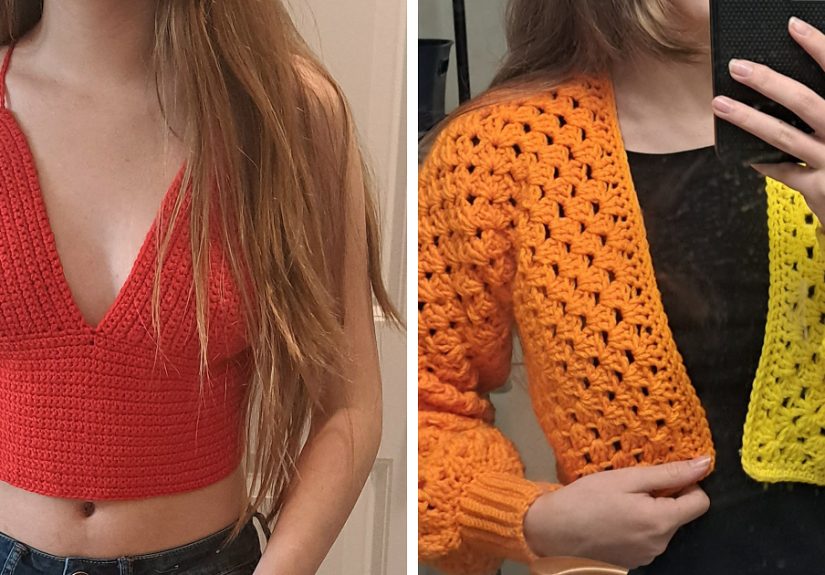
So, hey Pandas, show your crochet or knit clothes! Show the chunky sweater that took three attempts to get right. Show the breezy crochet top that made you feel like summer itself. Show the scarf, the vest, the oversized cardigan, the matching set, the dress, the socks, or the gloriously uneven first project you love because you made it with your own hands. Handmade clothing has a personality store-bought fashion can only dream about. It tells a story before you even say hello.
In a world of fast fashion and blink-and-you-miss-it trends, crochet and knit garments feel refreshing. They are slower, more personal, and often more expressive. Every stitch reflects a decision: color, texture, fit, drape, sleeve length, neckline, mood. Whether your style is cottagecore, minimalist, vintage, artsy, or “I got dressed in the dark but somehow it worked,” there is room for handmade clothes in your closet.
Why Crochet and Knit Clothes Have Such a Loyal Fan Club
Handmade garments create an emotional connection that a random sale rack sweater rarely delivers. When you crochet or knit your own clothes, you are not just putting on fabric. You are wearing time, skill, and intention. That is a big reason so many makers become fiercely attached to their finished pieces, even the slightly wonky ones. Especially the slightly wonky ones. Those are the garments with character. They are the fashion equivalent of a crooked smile: charming, memorable, and impossible to mass-produce.
Another reason these clothes resonate is customization. Crochet and knitting let you choose what the fashion industry often does not: the exact shade, the exact fiber, the exact vibe, and sometimes the exact fit. Want a moss-green sweater with dramatic sleeves and a cropped hem? You can make that. Want a lightweight crochet cardigan for air-conditioned offices that feel like indoor Antarctica? That too. Want a knit tank that looks expensive but mainly cost you patience and snacks? Absolutely.
There is also the visual appeal. Crochet clothes often have bold texture, openwork, and an artistic look that instantly stands out. Knit garments tend to offer drape, stretch, and that polished “I live near a bookstore and own multiple mugs” elegance. Neither is better; they simply have different personalities. Crochet is the talkative friend. Knitting is the quietly stylish one who somehow always has good lighting.
What Counts as Crochet or Knit Clothes?
More than you might think. When people hear crochet or knit clothing, they often picture sweaters first, which is fair because sweaters are iconic. But the category is much bigger. Handmade fashion includes crop tops, tanks, cardigans, pullovers, shrugs, dresses, skirts, shorts, pants, vests, ponchos, shawls worn as tops, beach cover-ups, matching sets, socks, gloves, hats, and even statement sleeves layered over simple basics.
Crochet Clothes
Crochet clothing shines when you want structure, visible texture, and decorative flair. Crochet tops, festival pieces, granny-square cardigans, mesh layers, and colorful patchwork garments often turn heads fast. Crochet can feel playful and artistic, especially when bright colors or geometric motifs are involved. It is ideal for people who want their outfit to say, “Yes, I made this, and yes, you may be jealous.”
Knit Clothes
Knit clothing tends to feel softer, stretchier, and more classic for everyday wear. A well-made knit pullover, ribbed tank, fitted tee, or slouchy cardigan can blend seamlessly into a modern wardrobe. If crochet loves drama, knitting often loves sophistication. That is why many makers reach for knitting when they want garments that layer easily and feel especially wearable from morning coffee to late-night snack runs.
Why People Love Showing Off Handmade Clothes Online
Sharing handmade clothes is not just about compliments, although let us be honest, compliments are delightful. It is also about community. When people post their crochet or knit clothes, they inspire others to try, learn, experiment, and keep going. A beginner sees a finished sweater and thinks, “Maybe I can make one too.” An experienced maker sees a clever color combination and immediately adds three new projects to an already irresponsible queue.
Posting your handmade outfit also celebrates the work behind it. Most people do not realize how much decision-making goes into a garment. The yarn choice matters. The shape matters. The fit matters. The finishing matters. The blocking matters. The courage required to weave in the final ends without losing your mind matters. Showing your clothes gives those invisible steps the spotlight they deserve.
And then there is the joy factor. A handmade garment often carries memories: the vacation where you bought the yarn, the winter weekend when you raced through the sleeves, the podcast you listened to while working ribbing for what felt like a thousand years. Sharing the garment means sharing a piece of that story too.
How to Make Crochet and Knit Clothes Look Amazing
The truth is that great handmade clothes are not only about talent. They are about small choices. A gorgeous garment usually begins with a realistic pattern choice and a yarn that suits the project. If you want drape, choose fibers and stitch patterns that move well. If you want structure, lean into stitches and yarns that hold shape. If you want a sweater that feels wearable instead of costume-like, think about the clothes you already love and build from there.
Choose Wearable Colors
This does not mean you must live in beige. It simply means choosing colors you will actually wear. If your closet is full of black, cream, olive, and denim, then a neon orange cable-knit cape may be less “signature piece” and more “beautiful object that lives forever in a chair.” Be honest with yourself. The best crochet and knit clothes are the ones that leave the closet regularly.
Respect the Fit
Fit is the difference between “I made this!” and “I made this work, technically.” Oversized can be chic. Cropped can be flattering. Boxy can be cool. Fitted can be stunning. But none of those silhouettes work automatically. The key is making a garment that matches your style and body comfort level. A sweater that feels good gets worn. A sweater that feels awkward becomes a cautionary tale.
Finish Like You Mean It
Clean seams, neat edges, woven ends, tidy buttons, and a properly finished neckline can elevate a handmade garment from homemade to genuinely impressive. This is the part many of us try to rush because by the end we just want to wear the thing already. Understandable. But finishing is where the magic sharpens. It is like plating dinner. Same meal, better presentation.
Styling Ideas for Handmade Clothes
One reason handmade fashion is thriving is that it can fit almost any aesthetic. A crochet vest over a white button-down feels trendy but not try-hard. A knitted tank with wide-leg jeans feels polished and effortless. A granny-square cardigan with a simple dress can look playful, nostalgic, and fashion-forward all at once. The trick is balance.
If your handmade piece is bold, let it lead the outfit. Pair a colorful crochet top with neutral pants. Style a textured knit sweater with simple denim and boots. If your garment is subtle, use accessories to build the mood. A handmade cream cardigan can go from cozy to chic with gold jewelry, loafers, and a structured bag. Suddenly you are not just warm. You are curated.
Layering also makes a huge difference. Crochet and knit clothes rarely need to do all the work alone. Wear a crochet dress over a slip. Add a collared shirt under a sleeveless knit vest. Throw an oversized cardigan over a fitted tank. Let your handmade clothes interact with the rest of your wardrobe instead of living in a separate “special project” universe.
If You’re Sharing Your Handmade Clothes, What Should You Show?
Everything. Seriously. The polished finished look is great, but people also love the details. Show the texture up close. Show the sleeves. Show the back. Show the neckline you fought for. Show the version styled casually and the version dressed up. Tell people what inspired the garment, what yarn you used, what part was easy, and what part made you question your life choices.
A good handmade clothing post is not only a fashion reveal. It is a mini story. Maybe it was your first wearable garment. Maybe it took six months because real life kept interrupting. Maybe the original pattern was for a sweater and you turned it into a vest because you and sleeves are not on speaking terms. That kind of honesty is part of the charm. It turns your post from “look at this” into “come celebrate this with me.”
Why Handmade Clothes Matter More Than Ever
There is something deeply satisfying about making clothes slowly in a fast world. Crochet and knitting invite us to pay attention. To spend more time with materials. To understand how garments are built. To create something useful and beautiful instead of buying another forgettable item. Handmade clothing may not always be the quickest option, but it is often the most meaningful one.
It also redefines fashion success. Perfection is not the only goal. Personality matters. Comfort matters. Story matters. A handmade sweater with a slightly quirky shoulder seam can still become the most-loved thing in your closet because it feels like you. That is the quiet genius of crochet and knit clothes: they do not have to be flawless to be fabulous.
So yes, hey Pandas, show your crochet or knit clothes. Show the polished ones and the chaotic ones. Show the cardigan that took forever and the top you finished in a burst of confidence and caffeine. Show the things you made for real life, for fun, for comfort, for style, for healing, or simply because yarn in your favorite color exists and you are only human.
Maker Experiences: The Real-Life Joy of Wearing What You Made
The first time someone wears a crochet or knit garment they made themselves, there is usually a strange and wonderful moment of disbelief. You catch your reflection in a window and think, “Wait a second. I made that.” Not bought. Not borrowed. Not thrifted. Made. It feels oddly powerful, like unlocking a tiny secret level in adulthood. Suddenly, clothing is not just something you consume. It is something you can create.
For many makers, the experience begins with low expectations. Maybe you start with a scarf, then a hat, then decide to get wildly ambitious and attempt a sweater because confidence is a dangerous thing. Halfway through, you question everything. Why are there so many stitches? Why does one sleeve seem to have a completely different personality from the other? Why did you think this would be relaxing? And then, eventually, you finish. You try it on. It fits well enough. Maybe even beautifully. And just like that, you are converted.
Handmade clothes also change the way people shop. After spending weeks making a cardigan, you start looking at store racks differently. You notice seams, fiber content, drape, shape, and texture. You become suspicious of flimsy construction. You develop opinions. Very strong opinions. You turn into the kind of person who touches a sweater in public and whispers, “That acrylic is fighting for its life.”
There is also the emotional side. Plenty of people associate certain projects with a specific season of life. A knit sweater might remind someone of a hard winter they made it through one row at a time. A crochet top might bring back a sunny vacation, a weekend with friends, or a moment when they finally trusted themselves enough to wear something bold. Handmade clothes can carry comfort in a way factory-made garments usually do not. They hold memory in the stitches.
Compliments are another unforgettable part of the experience. Someone says, “I love your sweater,” and you get to casually respond, “Thanks, I made it,” while pretending to be normal about it. Internally, fireworks. Externally, modest nod. This moment never gets old. It is one of the purest little thrills in the fiber arts world.
Of course, not every experience is glamorous. Sometimes the garment is heavier than expected. Sometimes the fit is off. Sometimes you discover that a beautiful yarn becomes dramatically less beautiful after one wash, and you have a quiet emotional meeting with yourself. But even the imperfect projects become part of the journey. They teach you what fibers you like, what shapes flatter you, and what mistakes you never, ever want to repeat.
In the end, people keep making crochet and knit clothes because the experience is bigger than the final garment. It is creative, practical, calming, frustrating, exciting, and deeply personal all at once. Wearing handmade clothes feels like carrying a little piece of your own patience and imagination into the world. And honestly, that is a pretty stylish thing to wear.