Table of Contents >> Show >> Hide
- Why Solar Powered Generators Are So Popular in 2025
- How We Chose the Best Solar Generators of 2025
- The 8 Best Solar Powered Generators of 2025
- 1. Jackery Explorer 2000 Plus – Best Solar Generator for Home Backup
- 2. Bluetti AC200L / AC200P Family – Best for Off-Grid Enthusiasts
- 3. EcoFlow DELTA 3 Plus – Best All-Rounder for Fast Charging
- 4. Anker SOLIX C300 / C300X – Best Compact Solar Generator
- 5. Bluetti AC180 / AC180P – Best Midsize Workhorse
- 6. Anker PowerHouse 767 / SOLIX F2000 – Best Solar Generator on Wheels
- 7. Goal Zero Yeti 1000 Class – Best Trusted Brand for Off-Grid Adventures
- 8. Jackery Solar Generator 1000 V2 – Best Value Solar Bundle
- Key Things to Consider Before You Buy
- Real-World Experiences with Solar Generators (Extra )
- Conclusion
If the last few years taught us anything, it’s that power outages don’t care about your frozen pizza,
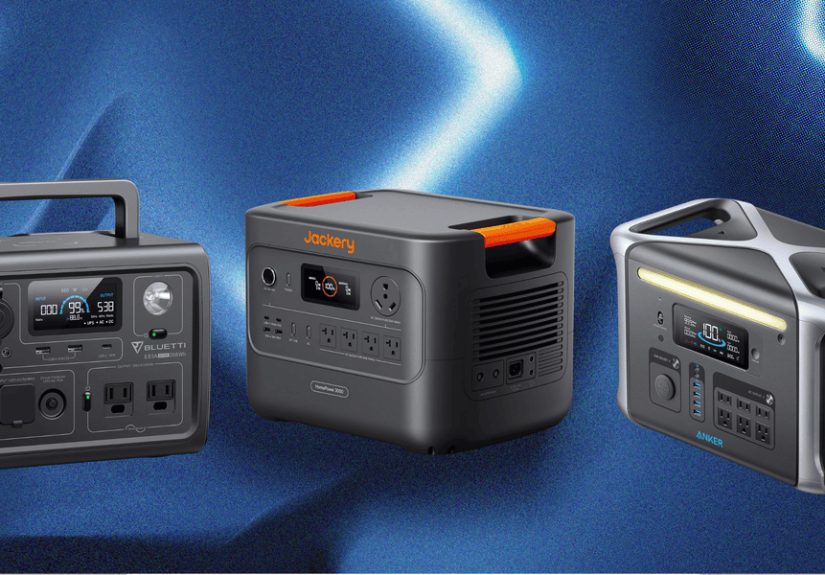
Zoom meetings, or weekend camping plans. That’s where the best solar powered generators of 2025 step in:
quiet, clean, and surprisingly powerful boxes of electrons that can keep your home humming or your tent
twinkling without a single drop of gasoline.
In 2025, solar generators (a.k.a. portable power stations paired with solar panels) have evolved fast:
bigger battery capacities, safer LiFePO4 chemistry, faster charging, and smarter apps. You can now
legitimately consider a solar generator for home backup, not just phone charging on a picnic blanket.
Why Solar Powered Generators Are So Popular in 2025
Gas vs. solar: the vibe check
Traditional gas generators are loud, smelly, and banned in some campgrounds and HOAs. Solar powered
generators run silently, produce no fumes, and can be used indoors. They’re essentially giant rechargeable
batteries with inverters and multiple outlets. Plug solar panels into them, and they become self-recharging
mini power plants.
With more extreme weather, rolling blackouts, and remote work, many households want backup power that
doesn’t require storing fuel or fiddling with pull-cords in the dark. Portable solar power stations have
become a go-to solution for emergency preparedness, RV life, and off-grid cabins.
What “solar generator” really means
Technically, these devices are portable power stations. The “solar” part comes from
pairing them with solar panels (often sold separately or in bundles). The core components are:
- Battery pack (usually lithium-ion or LiFePO4)
- Inverter that turns battery DC into household AC power
- Charge controller to safely accept solar input
- Ports (AC outlets, USB-A, USB-C, 12V car outlet, RV plug, etc.)
How We Chose the Best Solar Generators of 2025
To build this list, we compared hands-on testing and expert picks from major U.S. outlets that regularly
review portable power stations and solar generators, then cross-checked them with manufacturers’ spec
sheets. We focused on:
- Battery capacity (Wh) and total output (W)
- Battery chemistry and cycle life (how long it should last)
- Solar input speed and overall charging options
- Port selection (regular outlets, USB-C, RV ports, etc.)
- Weight and portability
- Real-world use cases like home backup, camping, RVs, and off-grid cabins
- Brand support and reliability in the U.S. market
Below are eight standout models that show up again and again in 2025 “best solar generator” roundups and
expert tests, spanning compact day-trip power all the way up to serious home backup contenders.
The 8 Best Solar Powered Generators of 2025
1. Jackery Explorer 2000 Plus – Best Solar Generator for Home Backup
The Jackery Explorer 2000 Plus is built for people who want real backup power without hardwiring a
whole-house battery system. With a capacity around 2,048Wh and an inverter rated up to 3,000W, it can
power most home essentials: refrigerators, microwaves, CPAP machines, internet equipment, and even
smaller air conditioners for short stretches.
One big selling point: expandability. With extra battery packs, Jackery allows you to scale capacity
well beyond its base 2kWh rating, making it a flexible backup solution that can grow with your needs.
- Best for: Home backup, RVs, extended outages
- Why it stands out: High output, expandable capacity, strong brand support
- Considerations: Heavy; really shines when paired with multiple solar panels
2. Bluetti AC200L / AC200P Family – Best for Off-Grid Enthusiasts
Bluetti’s 2kWh-class stations, like the AC200L and its close cousins, are legends in off-grid communities.
With roughly 2,048Wh of LiFePO4 storage and a 2,400W inverter (with “power lifting” modes that can handle
short bursts from big appliances), these units are like a portable electrical panel.
The LiFePO4 battery chemistry offers thousands of cycles before hitting 80% of original capacity, making
them especially attractive for frequent use in cabins, tiny homes, or full-time van life.
- Best for: Cabins, off-grid setups, power users
- Why it stands out: Long-life LiFePO4 battery, great expandability and port selection
- Considerations: On the heavier side; overkill if you just need phone charging at a park
3. EcoFlow DELTA 3 Plus – Best All-Rounder for Fast Charging
EcoFlow has built a reputation for blazing-fast charging, and the DELTA series continues that trend. The
DELTA 3 Plus (a midsize unit around 1kWh) is engineered for people who want a good balance between capacity,
portability, and rapid recharging from both wall outlets and solar.
In practical terms, that means you can roll into camp with a dead battery, plug into panels as soon as
the sun rises, and be back to usable power in a surprisingly short time. It’s a great option for weekend
warriors and van lifers who move frequently and can’t wait all day for a recharge.
- Best for: Weekend camping, car camping, light home backup
- Why it stands out: Fast AC and solar charging, compact footprint
- Considerations: Midsize capacity; heavy users may want a bigger sibling in the DELTA line
4. Anker SOLIX C300 / C300X – Best Compact Solar Generator
For people who don’t need to power a whole house, the Anker SOLIX C300 (and C300X) hits a sweet spot.
It’s a small but mighty solar generator that’s perfect for charging phones, laptops, tablets, cameras,
and a few small appliances on road trips or during brief outages.
Multiple USB-C ports, solid build quality, and Anker’s battery expertise make this a top pick in many
2025 “best small solar generator” lists. It’s a great “starter” solar generator or a secondary unit to
keep your gadgets powered while a larger station runs the fridge.
- Best for: Everyday carry power, road trips, small apartments
- Why it stands out: Light, compact, reliable, with modern USB-C outputs
- Considerations: Not designed to run big appliances like microwaves or AC units
5. Bluetti AC180 / AC180P – Best Midsize Workhorse
Straddling the line between “compact” and “serious backup,” the Bluetti AC180 line delivers around
1,152–1,440Wh of power with an inverter rated up to about 1,800W. That’s enough to run things like
coffee makers, portable induction burners, or small power tools for shorter stints, plus all your
electronics and lighting.
The AC180 combines LiFePO4 longevity with flexible charging (AC, solar, car, even another generator),
making it an excellent shoulder-season camping and emergency-prep option.
- Best for: Longer camping trips, partial home backup, RV weekends
- Why it stands out: Good balance of capacity, weight, and price
- Considerations: Not as expandable as Bluetti’s highest-end models
6. Anker PowerHouse 767 / SOLIX F2000 – Best Solar Generator on Wheels
High-capacity solar generators are amazinguntil you need to actually carry them. That’s why wheeled units
like the Anker 767 (marketed under the PowerHouse or SOLIX F2000 banner) are so popular. Think large
battery, robust 2,000W-class inverter, and durable suitcase-style wheels that let you roll it around like
extremely heavy luggage.
Many expert roundups praise this class of Anker generator for its combination of output, rugged housing,
and smart app features that let you monitor usage and estimate runtime.
- Best for: Garages, job sites, car-based camping, heavy appliances
- Why it stands out: High power output plus wheels make its weight manageable
- Considerations: Not something you want to carry up multiple flights of stairs
7. Goal Zero Yeti 1000 Class – Best Trusted Brand for Off-Grid Adventures
Goal Zero has been a staple in the portable power space for years, especially among RV owners and
off-grid campers. The Yeti 1000 class units (like the 1000X and 1000 Core) land in that sweet middle
ground: enough storage to run a fridge or pellet grill for a while, but still portable enough to move
around your campsite or cabin.
Many outdoors-focused reviewers highlight the Yeti line for its durability, straightforward controls,
and ecosystem of compatible solar panels and accessories.
- Best for: Off-grid camping, hunting cabins, RVs
- Why it stands out: Proven brand, robust design, solid performance
- Considerations: Not the cheapest option; you’re paying for brand reputation and ecosystem
8. Jackery Solar Generator 1000 V2 – Best Value Solar Bundle
If you’d rather buy a ready-made solar generator kit than mix-and-match panels and power stations,
Jackery’s Solar Generator 1000 V2 bundles are hard to ignore. They typically pair a 1kWh-class portable
power station with dedicated folding solar panels, giving you everything you need to start harvesting
sunlight out of the box.
For many households, 1kWh is enough to keep phones, laptops, routers, lights, and a compact fridge running
through shorter blackouts. For campers, it offers multi-day power when paired with a few hours of good sun.
- Best for: First-time buyers, small homes, renters
- Why it stands out: All-in-one kit, easy setup, good price-to-performance ratio
- Considerations: Not designed as a full-home solution for long winter outages
Key Things to Consider Before You Buy
1. How much power do you really need?
Add up the wattage of what you want to run and for how long. For example, a fridge might use
100–200W on average, a router 10–15W, and LED lights 5–10W each. A 1kWh solar generator can
typically handle essentials for a short outage; 2kWh+ is more comfortable for full days without grid power.
2. Battery chemistry and lifespan
LiFePO4 (lithium iron phosphate) batteries are becoming the norm in 2025’s best solar powered generators.
They tend to last for several thousand charge cycles, run cooler, and are more stable than older chemistries.
If you plan to use your solar generator often, LiFePO4 is worth prioritizing.
3. Solar input and charging speed
Not all solar generators are equally “solar.” Look at:
- Maximum solar input (W) – Higher means faster charging in good sun.
- Supported voltages and connectors – Make sure they match your panels.
- MPPT charge controller – Most good units have this for better efficiency.
Also consider wall charging speed. Some newer units can recharge from empty to 80% in about an hour or two,
which is a huge plus when the forecast isn’t friendly.
4. Port selection and expandability
At minimum, look for a mix of standard AC outlets, USB-A and USB-C ports, plus a 12V car outlet. If you plan
to power an RV, a 30A RV port is incredibly helpful. For future-proofing, check whether the unit supports
add-on battery packs or can integrate into a larger home backup system.
Real-World Experiences with Solar Generators (Extra )
Weekend warrior: the camping test
Picture this: it’s Friday afternoon, you’ve thrown everything into the car, and you’re halfway to the
campground when you remember you forgot ice for the cooler. Again. A midsize solar generator with a
small electric cooler solves this forever. Users who switch from ice to a 12V electric fridge powered by
a solar generator often describe it as the single biggest camping upgrade they’ve made.
In practice, a 1kWh class station paired with 200–300W of portable panels is plenty for a long weekend.
It can keep the fridge cold, charge everyone’s phones and cameras, run a fan in the tent at night, and
even power a projector for “movie night in the woods.” As long as you get several hours of decent sun per
day, you rarely have to think about battery levels beyond a quick app check.
Suburban outage: when the grid goes down
One of the most common stories from 2025 owners goes like this: “The power went out, everybody else’s house
went dark and quiet, and our place still had Wi-Fi, lights, and coffee.” For a typical single-family home,
a 2kWh or larger station is a game-changer during storms and heat waves.
Realistically, you’re not going to power electric ovens and central AC for hours on end with a single
portable unit. But you can keep the fridge cold, run a window AC or space heater for short bursts, preserve
insulin or other medications, and stay connected. That differencebetween everything suddenly stopping and
life continuing at “barely inconvenienced” levelis exactly why more families are investing in solar
generators instead of just candles and board games.
Full-time RV and van life: the quiet neighbor
In RV parks and dispersed camping areas, solar generator owners quickly become the neighbors everyone loves.
Why? No constant engine drone. You simply set up panels, angle them toward the sun, and go about your day
while your power silently refills.
Owners who switch from gas generators often talk about an unexpected benefit: they use power more
intentionally. Watching an app that shows real-time usage and remaining runtime makes it easy to decide
when to run heavy loads or when to stick to LED lights and DC fans. Over time, that awareness often leads
to more efficient setupsbetter insulation, more efficient appliances, and smarter habits that stretch the
same battery further.
Learning curve: what surprises new owners
First-time buyers are usually surprised by two things:
-
How quiet and “invisible” solar generators feel in daily use. Once set up, they often
just sit in a corner, quietly filling and emptying while you plug in devices as needed. -
How important panel placement is. Shaded panels mean slow charging. People quickly learn
to chase the sun during the day, rotating or repositioning folding panels to stay in direct light. A
simple tilt stand can dramatically boost daily energy harvest.
Another common lesson: it’s better to slightly oversize your system. Many users start with a small 300–500Wh
unit and later upgrade to 1,000–2,000Wh once they realize how useful solar power is. If your budget allows,
buying a little more capacity than you think you need can save you from that “should’ve gone bigger” regret.
Is a solar generator right for you?
If you want clean, quiet backup power for essential loads, or you love camping and road trips, a solar
generator is one of the most versatile upgrades you can buy in 2025. It won’t replace a whole-home
battery system or a permanently installed standby generator for large houses, but it fills the huge gap
between “no backup at all” and “tens of thousands of dollars in electrical work.”
Start by listing what you absolutely want to keep running in an outage or off-grid scenario. Match that to
a size category: small (under 500Wh), midsize (500–1,200Wh), or large (1,500Wh+). Then choose one of the
proven models above, add a suitably sized solar panel kit, and you’ll be ready the next time the lights
flickeror when you decide your backyard deserves its own off-grid movie theater.
Conclusion
Solar powered generators have grown up. In 2025 you can pick from compact, laptop-friendly stations all the
way to expandable 2kWh–plus powerhouses that keep your home running through real emergencies. The eight
models above represent some of the most reliable, thoroughly tested options available in the U.S., each
tuned to a different lifestylefrom weekend campers to off-grid pros.
The key is matching your expectations to the right size and feature set. Do that, and your “backup plan”
quickly becomes something you use all the time: on road trips, in the backyard, at tailgates, and, yes,
when the grid decides to take a surprise nap.