Table of Contents >> Show >> Hide
- Why Beach House Bathrooms Feel Like They’re Always Testing You
- The “Sherry vs. Bathtub” Lesson: The Tub Is Never Just the Tub
- Choosing the Right Bathtub for a Beach House
- Bathtub Materials: What Works Best When Salt Air Joins the Chat
- Installation Reality Check: The Unsexy Stuff That Saves Your Bathroom
- Ventilation: The Beach House Bathroom Superpower
- Coastal-Proofing the Details: Hardware, Fixtures, and Finishes
- Design Note: Mixing Wood Tones Without Making It Weird
- Three Real-World Beach House Tub Scenarios (With Solutions)
- of Experiences Inspired by “Sherry Vs. The Bathtub”
- Conclusion: Win the Bathtub Battle (So the Beach House Can Be the Vacation)
Every home renovation has “the moment.” The moment you realize the wallpaper is actually
three layers of wallpaper. The moment you discover the “solid wood” vanity is… confidence and particleboard.
And if you’ve ever tried to take a relaxing bath in a newly renovated beach house, there’s a solid chance your
moment involves plumbing, panic, and a towel you didn’t plan to need.
In episode #77: “Sherry Vs. The Bathtub, Beach House Edition”, the charming chaos of a real-life bath
saga becomes the perfect jumping-off point for a bigger topic: how to choose, install, and actually enjoy a bathtub
in a coastal home without turning your “spa night” into a “call the plumber” night.
Why Beach House Bathrooms Feel Like They’re Always Testing You
A beach house bathroom is basically a normal bathroom… plus a few extra plot twists. Coastal air carries moisture
and salt. Sand shows up like an uninvited guest. And if the home is older (many are), you may also be dealing with
quirky framing, aging drain lines, and “creative decisions” made by previous owners who believed caulk was a lifestyle.
That’s why tubs in beach houses can feel high-stakes. They’re heavy, they’re wet, and they’re often installed in the
most humidity-prone room of the entire house. The tub itself matters, but so do the supporting actors: subfloor,
ventilation, waterproofing, and hardware that won’t corrode the minute it smells ocean air.
The “Sherry vs. Bathtub” Lesson: The Tub Is Never Just the Tub
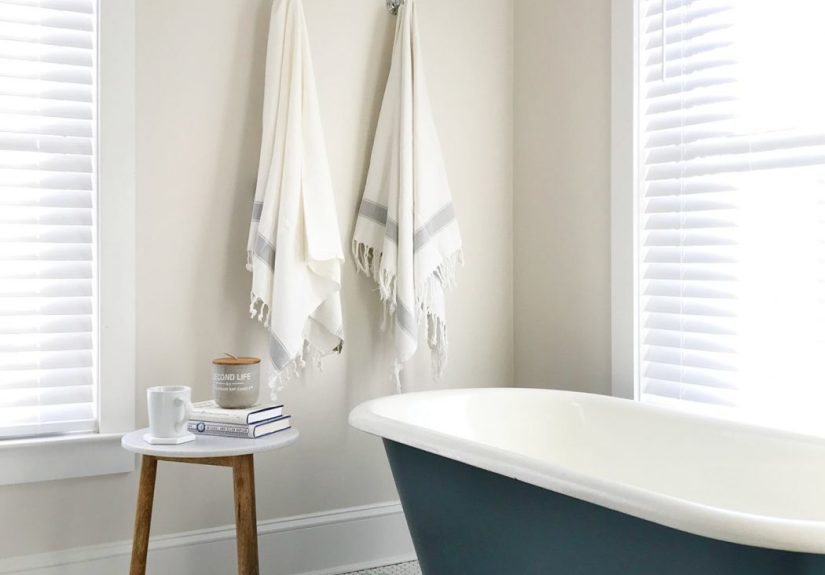
The story that inspired this title is relatable because it’s so human: a freshly plumbed clawfoot tub, a picture-perfect
“I’m about to relax” moment, and then… the kind of problem that turns relaxation into rapid troubleshooting.
The good news (and an important takeaway) is that the issue was solved, and the relaxing bath happened laterjust not
on the original timeline.
Translation: even when you do everything “right,” a bathtub install can surprise you. And in coastal homes, the margin
for error gets slimmer because moisture punishes every shortcut.
Choosing the Right Bathtub for a Beach House
Let’s talk strategy. When you pick a tub for a beach house, you’re balancing four things:
space, structure, style, and sanity.
(Sanity is not always listed in renovation books, but it should be.)
1) Alcove tubs: The practical crowd-pleaser
If you want the simplest replacement path, an alcove tub is usually the least dramatic option. Many U.S. bathrooms
are built around a 60-inch alcove opening, and that standard sizing often makes swaps easier and keeps plumbing changes
minimal. Alcove tubs also pair well with shower setups, which is useful in a rental-friendly beach house.
2) Freestanding tubs (including clawfoot): Maximum charm, maximum planning
A freestanding tub can look like a magazine coverespecially in a bright, beachy bath with good natural light.
But freestanding tubs often require more deliberate plumbing planning (supply lines, drain placement, and access),
and they can reveal problems you didn’t know you had until water starts doing water things.
3) Drop-in or undermount tubs: Built-in look, built-in commitment
These tubs can be gorgeous, but they demand a surrounding deck or platform, and that means more surfaces that must be
waterproofed correctly. In a humid coastal environment, every seam and transition becomes a “future you” problem if it’s
not sealed and detailed properly.
4) Skip the tub?
If the bathroom is tiny or the household is strictly “quick showers and out the door,” a tub may not be the best use of
space. But in many homesespecially ones used by families or guestsa tub can be a resale and rental advantage.
Bathtub Materials: What Works Best When Salt Air Joins the Chat
Tub material affects everything: comfort, durability, maintenance, and installation complexity. Here are the big players,
beach-house edition.
Acrylic
Acrylic tubs are popular because they’re lightweight, reasonably durable, and typically warmer to the touch than metal.
If you want a tub that’s easier to maneuver into place (especially upstairs), acrylic is often a strong choice.
For busy households and rentals, it’s also relatively easy to clean and keep looking fresh.
Fiberglass
Fiberglass tubs are usually budget-friendly and light, which can make installation easier. The trade-off is that they
can be more prone to scratching and wear over time. If your beach house sees a parade of sandy feet, dog baths, and
“I’m rinsing off this seashell collection in the tub,” you’ll want to factor in durability.
Cast iron (porcelain-enameled)
Cast iron tubs are famous for durability, heat retention, and that solid, classic feel. They also come with a
not-so-small detail: weight. Cast iron can be heavy enough that you should verify structural support,
especially in older homes. This matters even more if the bathroom is on an upper floor or if the framing has seen decades
of humidity swings.
Porcelain-enameled steel
Steel tubs can be durable and often cost less than cast iron. They may feel cooler to the touch and can be noisier when
filling. In a beach house, this can be a “depends on your vibe” material: some people don’t mind the sound; others want
their bath to feel like a whisper, not a percussion solo.
Installation Reality Check: The Unsexy Stuff That Saves Your Bathroom
The tub selection gets the glory. The installation details prevent the regret.
Measure like you’re being graded
- Opening size: Measure wall-to-wall at multiple heights. Old houses love being “almost square.”
- Drain location: Left-hand vs. right-hand drains can make or break an “easy swap.”
- Floor slope: Small slopes can affect how water sits or drains, especially in older baths.
Plan access for future repairs
Beach houses often have seasonal use. That means long stretches where small leaks can become big issues before anyone
notices. Whenever possible, ensure plumbers can access key connections without demolition.
Waterproofing isn’t optionalit’s the whole game
Around a tub, waterproofing is more than caulk. It includes:
- Water-resistant wall systems in wet zones (especially behind tile)
- Correct sealing at seams, corners, and tub-to-wall transitions
- Properly installed drain and overflow components
- Materials that tolerate humidity without swelling, delaminating, or growing new lifeforms
Ventilation: The Beach House Bathroom Superpower
If a bathtub is the “hero” of this story, ventilation is the side character who quietly prevents the sequel.
Moisture doesn’t just damage paint. It feeds mold, degrades caulk, warps materials, and can shorten the lifespan of
cabinetry and finishes.
Pick the right exhaust fan (and actually use it)
Many ventilation standards and building-science guidelines point to minimum local exhaust rates in bathrooms
(often expressed in CFMcubic feet per minute). In plain English: you need enough fan power to remove humid air.
Running the fan during bathing and for a while afterward can dramatically reduce lingering moisture.
Coastal bonus points
- Timer switch: So the fan runs long enough even when everyone forgets.
- Quiet fan: If it sounds like a helicopter, people won’t run it. A quieter unit gets used.
- Backdraft damper: Helps prevent outside air from sneaking back in through the duct.
If your beach house is in a humid region, consider the “whole-house” moisture strategy too: dehumidification, consistent
HVAC operation when appropriate, and making sure the bathroom doesn’t become the humidity headquarters.
Coastal-Proofing the Details: Hardware, Fixtures, and Finishes
Salt air is sneaky. It doesn’t just rust outdoor screwsit can tarnish indoor fixtures faster than you’d expect,
especially in bathrooms.
Smarter choices for coastal bathrooms
- Corrosion-resistant finishes: Look for finishes and materials known for better corrosion resistance.
- Quality caulk and sealants: Choose products rated for kitchens and baths, and replace when they fail.
- Mold-resistant paint: Especially on ceilings and any walls outside the wet zone.
- Easy-clean surfaces: Because sandy baths are a lifestyle, not a once-a-year event.
Design Note: Mixing Wood Tones Without Making It Weird
One of the most useful “non-plumbing” takeaways tied to this episode’s vibe is a classic decorating challenge:
mixing wood tones so a room looks collected, not chaotic.
A simple formula that works
- Repeat tones: If you introduce a light wood, echo it somewhere else (frame, shelf, mirror, or accessory).
- Bridge with neutrals: White, gray, black, and natural textures can help different woods coexist peacefully.
- Vary the scale: One medium-tone vanity + a small light-wood stool + a few woven accents can feel intentional.
In a beach house, this matters because coastal style often blends washed woods, warm natural textures, and sometimes
deeper tones (like a vintage cabinet or a stained mirror frame). When you repeat each tone at least once, your bathroom
reads “designed,” not “leftovers.”
Three Real-World Beach House Tub Scenarios (With Solutions)
Scenario 1: “We want a clawfoot tub because it’s gorgeous.”
Do itjust plan it. Confirm floor support, plan plumbing access, and choose a tub filler setup that suits your room.
Also, test everything before the “first soak,” because the first soak is emotionally fragile.
Scenario 2: “We need the easiest replacement.”
Stick with a standard alcove size, match the drain location if possible, and keep your waterproofing details tight.
Upgrade ventilation while you’re at it; it’s one of the best value moves in a bathroom remodel.
Scenario 3: “The bathroom always feels damp.”
Add or upgrade an exhaust fan, use a timer switch, seal gaps where humid air lingers, and consider a dehumidifier for
the season when the house is closed up. Moisture control is the beach house version of flossing: boring, important,
and you’ll thank yourself later.
of Experiences Inspired by “Sherry Vs. The Bathtub”
If you’ve ever renovated a bathroom, you know the emotional rollercoaster comes free with purchase. Homeowners often
share stories that sound like comedy… until you’re the one holding a flashlight at 10 p.m. wondering why water is doing
interpretive dance across your floor.
One common experience starts with a photo-worthy moment: the tub is in, the fixtures sparkle, and the whole room smells
faintly of “new caulk and hope.” Someone runs the bath for the first time and feels like they’ve earned a trophy. Then
something small goes sidewaysmaybe the overflow gasket isn’t seated perfectly, maybe a fitting needs one more careful
tightening, or maybe an old drain line decides today is the day it will reveal its personality. Suddenly, the bath
becomes a troubleshooting session. And the funniest part? It often happens at the exact moment you’re most confident.
Renovation confidence is basically a flare that signals the universe to check your work.
Another very beach-house-specific experience is realizing that humidity has a long memory. People describe walking into
a bathroom after the house has been closed for a week and noticing that the mirror feels perpetually fog-adjacent,
like it’s saving yesterday’s shower for later. That’s when ventilation stops being an “upgrade” and becomes a “why didn’t
we do this first?” moment. The folks who add a timer switch to the exhaust fan tend to report the biggest behavior change,
because it removes the need to remember. You flip it on, walk away, and the fan quietly handles the aftermath like a
responsible adult. In a room full of moisture, that’s a superpower.
Then there’s the sandy-feet reality. Beach house owners often say they underestimated how often a tub becomes a utility
sink in disguise: rinsing swimsuits, washing a dog who discovered something “interesting,” soaking beach towels, or
convincing a child to release a small collection of shells back into the wild (or at least into a bucket). This is why
finish durability matters. That dreamy, glossy surface has to withstand real lifeabrasive sand includedwithout looking
sad after one season.
Finally, there’s the decorating experience that sneaks up on people: mixing wood tones. A beach house bathroom might
collect pieces over timea vanity you love, a vintage mirror, a little stool, woven baskets, maybe a warm wood frame.
At some point, the room can feel like it’s hosting a wood-tone reunion where nobody introduced themselves. The fix is
surprisingly simple: repeat tones, add a neutral “bridge,” and let texture do some of the heavy lifting. Homeowners who
follow that formula often say the room suddenly feels intentionallike a calm retreat again, instead of a mood board that
got shuffled in the wind.
And that’s the real “Sherry vs. the bathtub” vibe: the goal isn’t perfection. It’s a bathroom that can handle real life,
coastal moisture, and the occasional surprise… while still letting you enjoy the bath you worked so hard to earn.
Conclusion: Win the Bathtub Battle (So the Beach House Can Be the Vacation)
A beach house bathtub can be the most relaxing feature in your homeor the most dramatic, if you skip the unglamorous
details. Choose a tub that fits your space and your lifestyle, prioritize waterproofing and ventilation, and pick
coastal-smart materials so salt and humidity don’t slowly sabotage your hard work. Then mix your finishes with intention,
and let the room feel collected, calm, and ready for actual relaxation.