Table of Contents >> Show >> Hide
- What Are Heart Palpitations, Exactly?
- When Heart Palpitations Are an Emergency
- 1. Pause, Breathe, and Calm Your Nervous System
- 2. Check and Reduce Common Triggers
- 3. Use Vagal Maneuvers (If Your Doctor Has Cleared You)
- 4. Rehydrate and Rebalance
- 5. Make Heart-Friendly Lifestyle Tweaks
- How Doctors Evaluate Frequent Palpitations
- Real-Life Experiences: Living Through Heart Palpitations (and Regaining Control)
- The Bottom Line
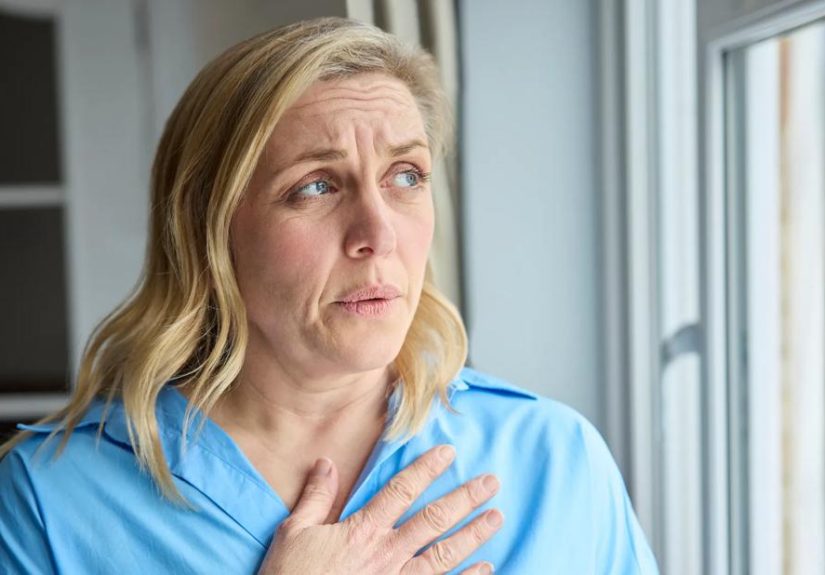
One second you’re minding your own business, and the next your heart decides to throw a surprise rave in your chest. That weird flutter, flip-flop, or thud-thud-thud is what most people describe as
heart palpitationsand they’re scary, even when they’re harmless.
The good news? Many palpitations are triggered by things you can actually control: stress, caffeine, dehydration, or certain medications. The even better news is that with a few practical strategies, you can often
calm palpitations and reduce how often they show up.
This guide walks you through five evidence-based ways to help stop heart palpitations, plus when they’re a red-flag emergency and what long-term habits actually help your heart chill out. It’s educationnot a replacement
for your doctorso if anything feels “off” or severe, always err on the side of getting checked out.
What Are Heart Palpitations, Exactly?
Heart palpitations are the sensation that your heart is:
- Beating faster than usual
- Skipping beats or adding an extra “thump”
- Fluttering, racing, or pounding in your chest, throat, or neck
They can show up when you’re:
- Stressed or anxious
- Exercising or just finished exercising
- Drinking coffee, energy drinks, or alcohol
- Taking certain medications (like decongestants or stimulants)
- Dehydrated or overheated
Many palpitations are benign, meaning your heart’s structure and rhythm are basically fineit’s just reacting to triggers. But sometimes, palpitations can be a symptom of an
arrhythmia (an abnormal heart rhythm) or other heart conditions that need medical care.
So the goal is twofold: calm down the harmless flutters when they happen and recognize the moments when you should not DIY this and instead call for urgent help.
When Heart Palpitations Are an Emergency
Before we talk about ways to stop heart palpitations at home, here’s the big safety rule.
Call 911 or your local emergency number immediately if palpitations come with any of these symptoms:
- Chest pain, pressure, or tightness
- Shortness of breath or difficulty breathing
- Dizziness, confusion, or feeling like you might pass out
- Fainting or actually passing out
- Sudden heavy sweating, nausea, or jaw/arm/back pain
- Very fast heart rate (often over 100–120 beats per minute at rest), especially if it doesn’t slow down
These can signal a serious problem like a dangerous arrhythmia, heart attack, or sudden cardiac event. In those situations, your job is not to breathe it out or drink some wateryour job is to get emergency care.
1. Pause, Breathe, and Calm Your Nervous System
One of the most common triggers for palpitations is stress and anxiety. Your body flips into “fight-or-flight” mode, flooding you with adrenaline. Adrenaline tells your heart to speed up, which you
then feel as a flutter or racethen you worry, which adds more adrenaline, and the loop continues. Fun.
Slowing down your breathing and calming your nervous system is often the fastest, safest first step when palpitations start and there are no emergency warning signs.
Try a 4-4-6 Breathing Exercise
Here’s a simple drill you can do almost anywhere:
- Sit or lie down and place one hand on your belly, one on your chest.
- Inhale slowly through your nose for a count of 4, letting your belly rise.
- Hold that breath gently for a count of 4.
- Exhale through pursed lips (like blowing out a candle) for a count of 6.
- Repeat for 1–3 minutes, or until things start to feel calmer.
This style of breathing signals your body that you’re safe, nudging it out of panic mode. Many people notice their heart rate gradually slowing, with palpitations fading as anxiety drops.
Add Grounding If Your Thoughts Are Racing
While you breathe, try a quick grounding exercise to distract your brain from “What if this is something terrible?” spirals:
- Name 5 things you can see.
- Then 4 things you can touch.
- 3 things you can hear.
- 2 things you can smell.
- 1 thing you can taste.
The aim isn’t to meditate perfectly; it’s simply to calm your nervous system enough to give your heart a chance to settle back into its usual rhythm.
2. Check and Reduce Common Triggers
If palpitations keep crashing your day, it’s time to play detective. Many people find that certain everyday habits poke their heart into misbehaving.
Take a Hard Look at Caffeine
Caffeine is complicated. For many healthy adults, moderate coffee intake is considered safe and doesn’t increase the risk of arrhythmias. But some people are more sensitive, and even one strong cup of
coffee or an energy drink can set off flutters or racing.
Smart steps:
- Track when palpitations happen and how much caffeine you had in the last 6–8 hours.
- Gradually cut back (don’t quit cold turkey, or you may get headaches, fatigue, and mood dips).
- Try half-caf or decaf, or switch to herbal tea or water in the afternoon.
Remember: caffeine isn’t just in coffee. You’ll find it in tea, sodas, energy drinks, pre-workout powders, and chocolate.
Other Triggers Worth Checking
Besides caffeine, palpitations can be triggered by:
- Nicotine (cigarettes, vapes, nicotine pouches)
- Alcohol, especially in larger amounts or binge drinking
- Decongestants and cold medicines containing stimulants (like pseudoephedrine)
- High-sugar or high-sodium meals that cause blood pressure or blood sugar spikes
- Illegal drugs like cocaine or amphetamines (major red flag for your heart)
A simple notebook or phone note where you log “What I ate/drank/did in the last few hours” when palpitations show up can reveal patterns. Once you spot a trigger, you can cut back or avoid itoften with big payoffs.
3. Use Vagal Maneuvers (If Your Doctor Has Cleared You)
Your heart and your brain are linked by the vagus nerve, a sort of communication superhighway. Gentle “vagal maneuvers” can sometimes slow a fast heart rhythm by increasing the vagus nerve’s activity.
These maneuvers are often used for certain types of supraventricular tachycardia (SVT).
Important note: You should only use vagal maneuvers if a healthcare professional has taught you how and said they’re appropriate for your situation. They are not a cure-all and are not safe for every type
of heart rhythm problem.
Common Vagal Maneuvers
- Valsalva maneuver: Take a deep breath, close your mouth, pinch your nose, and gently bear down (like you’re trying to exhale against a closed airway) for about 10–15 seconds, then release.
- Coughing: A series of strong, deliberate coughs may briefly increase pressure in the chest and stimulate the vagus nerve.
- Cold stimulus: Splashing very cold water on your face or placing a cold pack over your face (for a short time) can trigger a “diving reflex” that slows heart rate in some people.
If your provider has recommended one of these, they may ask you to use it when palpitations begin, especially if your heart suddenly jumps into a fast, regular “racing” rhythm.
Stop and seek urgent care if:
- Your heart rate doesn’t slow within a few minutes.
- You feel chest pain, faint, or extremely short of breath.
- Palpitations keep recurring frequently or feel different than usual.
4. Rehydrate and Rebalance
Your heart loves a stable environment: steady fluids and balanced electrolytes like potassium, magnesium, calcium, and sodium. When you’re dehydrated or your electrolytes are off, your heart cells may
become more irritable, and palpitations can become more likely.
Signs You Might Be Dehydrated
- Dark yellow urine or not peeing much
- Dry mouth, dry lips, or feeling unusually thirsty
- Headaches, fatigue, or feeling “off”
If mild dehydration is the likely culprit (for example, you’ve been in hot weather, sweating a lot, or had diarrhea or vomiting), try:
- Sipping water steadily over 30–60 minutes
- Using an oral rehydration solution or low-sugar electrolyte drink
- Taking it easy physically while you rehydrate
You can also support healthy electrolytes through food, especially:
- Bananas, oranges, potatoes, and leafy greens (potassium)
- Nuts, seeds, beans, and whole grains (magnesium)
- Dairy products or fortified plant milks (calcium)
If you have kidney disease, heart failure, or are on certain medications (like diuretics), talk to your doctor before changing electrolyte intake. In some conditions, too much potassium or fluid can be dangerous.
5. Make Heart-Friendly Lifestyle Tweaks
If palpitations are popping up regularly, it’s your body’s way of saying, “Hey, can we talk about how we’re living?” Long-term, the best way to reduce palpitations is to make your heart’s job easier overall.
Move Your Body (But Pace Yourself)
Regular, moderate exercise helps:
- Improve cardiovascular fitness
- Lower resting heart rate over time
- Reduce stress and anxiety
- Support healthy blood pressure, weight, and blood sugar
Think brisk walking, cycling, swimming, or dancingmost days of the week if you can. If exercise itself is triggering palpitations, or you have known heart disease, get a personalized plan from your provider before pushing
your limits.
Upgrade Your Sleep
Poor sleep or untreated sleep apnea can stress your heart and nervous system. Aim for:
- 7–9 hours of sleep per night
- A consistent bedtime and wake-up time
- Limited screens and heavy meals before bed
- Snoring, gasping, or pauses in breathing? Ask your doctor about a sleep study.
Keep Stress on a Short Leash
Chronic stress isn’t just a mental health issueit’s a heart issue. Helpful tools include:
- Mindfulness or meditation apps
- Gentle yoga or stretching
- Walking outside without your phone
- Seeing a therapist if anxiety is a constant companion
Quit Smoking and Vaping
Nicotine is a powerful stimulant that makes your heart beat faster and can trigger palpitations. Quitting is one of the best gifts you can give your cardiovascular system. If you’ve tried before, that’s not failurethat’s
data. Talk to your provider about medications, nicotine replacement, or counseling that can make quitting more doable.
How Doctors Evaluate Frequent Palpitations
If your palpitations are:
- New or happening more often
- Lasting longer than a few minutes
- Waking you up at night
- Happening along with other symptoms (fatigue, shortness of breath, chest discomfort)
it’s time to bring them up with a healthcare professional.
Your provider may:
- Ask detailed questions about your symptoms, triggers, and medical history
- Listen to your heart and check your pulse and blood pressure
- Order an electrocardiogram (ECG) to look at your heart rhythm
- Use a Holter monitor or event monitor that tracks your heart for 24 hours or longer
- Check blood tests for thyroid issues, anemia, electrolyte imbalances, or other conditions
- Order an echocardiogram (heart ultrasound) if they suspect a structural heart problem
If they find an arrhythmia or another heart issue, treatment might include medications, procedures, or other interventions. The point is: you don’t have to guess what’s going on. There are very specific ways to figure it out.
Real-Life Experiences: Living Through Heart Palpitations (and Regaining Control)
If you’ve ever felt your heart suddenly “take off,” you know it’s more than just a physical sensationit’s an emotional roller coaster. While every person’s story is unique, many experiences follow similar themes. Here are a
few composite examples based on common patient journeys.
“I Thought I Was Having a Heart Attack Every Night”
Imagine a 32-year-old office worker who started having palpitations right as she went to bed. The moment she turned off the lights, her brain turned on. Her heart would flutter, pound in her throat, and occasionally feel like
it skipped a beat. Every time, she’d Google her symptoms and end up convinced something terrible was happening.
Eventually, she saw her doctor. Her ECG and echocardiogram were normal. The culprit? A mix of high caffeine intake, late-evening doomscrolling, and chronic anxiety. Her doctor suggested cutting out energy drinks, limiting
coffee to the morning, and trying a daily wind-down routine with gentle stretching and breathing exercises.
It didn’t change overnight, but within a few weeks, her bedtime palpitations went from nightly to occasional. More importantly, she no longer panicked every time they appeared, because she understood what was happening and
had tools to respond.
“My Heart Raced Out of Nowhere at the Grocery Store”
A 45-year-old man with no previous heart history suddenly felt his heart sprinting at what he guessed was 160 beats per minute while standing in the checkout line. He got sweaty, dizzy, and lightheaded. Instead of waiting it
out, he sat down and asked someone to call emergency services.
In the hospital, monitors showed a very fast regular rhythm consistent with supraventricular tachycardia (SVT). After acute treatment, a cardiologist later taught him a specific vagal maneuver to use if the rhythm ever came
backand discussed longer-term options like catheter ablation.
His story highlights a key point: sometimes palpitations are more than just a nuisance. Getting prompt help when symptoms are intense or unusual can be life-saving, and it also gives doctors the chance to catch arrhythmias
that don’t show up during routine office visits.
“Once I Fixed My Habits, My Heart Stopped Shouting at Me”
Another common story: someone who lives on coffee, skips meals, sleeps too little, and hits the gym hard to make up for sitting all day. Add in stress, maybe a few weekend drinks, and suddenly palpitations start appearing
during meetings, after big lunches, or when lying down after a long day.
After a normal cardiac workup, they’re given the unglamorous prescription of lifestyle changesmore water, fewer stimulants, regular moderate exercise instead of intense all-at-once workouts, better sleep, and some
stress-reduction tools. It sounds basic, but over months, the difference can be dramatic: fewer flutters, more energy, and a calmer baseline overall.
These kinds of stories don’t minimize palpitationsthey normalize the experience and show how powerful it can be to combine medical evaluation with practical self-care. You don’t have to white-knuckle your way through every
episode, and you don’t have to face them alone.
The Bottom Line
Heart palpitations are common, often harmless, and very good at getting your attention. While they can feel dramatic, they’re frequently tied to fixable triggers like stress, stimulants, dehydration, or sleep issues. By:
- Using calm, controlled breathing when flutters start
- Spotting and reducing your personal triggers
- Using vagal maneuvers only if your provider recommends them
- Staying hydrated and supporting healthy electrolytes
- Making long-term, heart-friendly lifestyle changes
you can often stop palpitations faster and reduce how often they show up.
But never ignore red flags. If palpitations are intense, new, getting worse, or paired with chest pain, trouble breathing, fainting, or severe dizziness, treat them like the emergency they might be and seek immediate care.
Your heart is allowed to have opinions, but it shouldn’t feel like it’s constantly yelling for help. With the right combination of medical guidance and everyday strategies, most people can go from “Why is my heart doing
that?” to “Oh, I know what this isand I know what to do.”