Table of Contents >> Show >> Hide
- How to Tell Where Hip Pain Is Coming From
- 1) Osteoarthritis of the Hip
- 2) Greater Trochanteric Pain Syndrome (GTPS): The “Outer Hip Pain” MVP
- 3) Hip Flexor Strain and Tendonitis (Overuse Injuries)
- 4) Hip Labral Tear and Femoroacetabular Impingement (FAI)
- 5) Osteoporosis-Related Hip Fractures and Stress Fractures
- Women-Specific Considerations That Can Complicate Hip Pain
- When to See a Doctor for Hip Pain
- Quick Self-Care Tips While You’re Figuring It Out
- Final Thoughts
- Experiences Related to Hip Pain in Women (Extended Section)
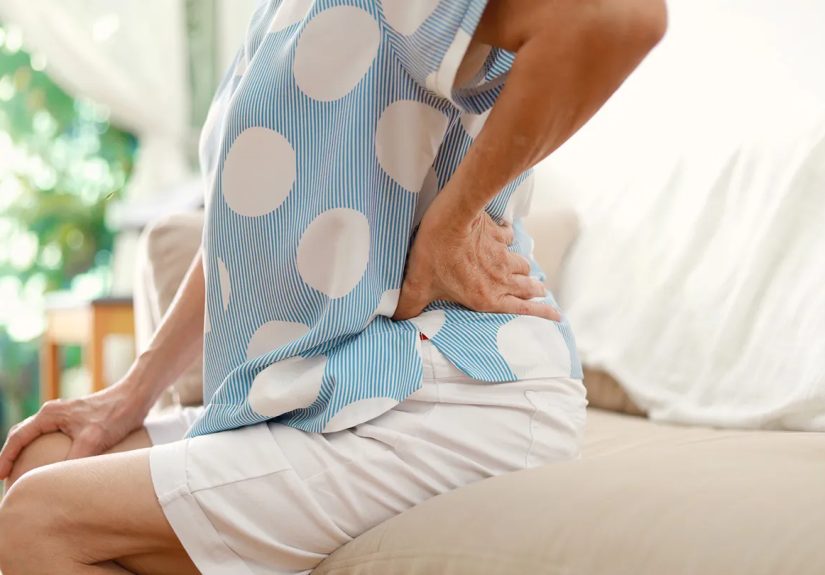
Hip pain can be sneaky. Sometimes it shows up as a sharp jab when you stand up. Other times it’s a dull ache that camps out in your groin, outer hip, or buttock like an unwanted houseguest. And because the hip is a hard-working joint (walking, climbing, dancing, sitting, carrying kids, carrying groceries, carrying your emotional support water bottle), it’s no surprise that it can get cranky.
For women, hip pain can have some extra layers. Hormonal changes, menopause-related bone loss, anatomy, activity patterns, and even conditions that feel like hip pain but actually come from the back or pelvis can all play a role. The good news: once you know the likely cause, treatment gets much more targetedand much less guesswork-y.
In this guide, we’ll break down the 5 common causes of hip pain in women, what the pain usually feels like, risk factors to watch for, and when it’s time to get checked out. We’ll also cover “red flags” (the symptoms that deserve urgent care) and end with real-world experience stories that make this topic easier to relate to.
How to Tell Where Hip Pain Is Coming From
Before we get into the top five causes, here’s a helpful rule of thumb: the location of the pain matters.
- Groin or deep front-hip pain: Often points to the hip joint itself (like osteoarthritis, labral tears, or impingement).
- Outer hip pain: Often comes from soft tissues around the hip (like bursitis or gluteal tendinopathy).
- Buttock pain: Could be hip-related, but it can also come from the lower back or referred pain.
- Pain radiating to thigh or knee: Surprisingly common with hip conditions, especially arthritis.
This “pain map” isn’t a diagnosis, but it can help you avoid the classic mistake of treating the wrong area. (No judgmentmany people ice the outer hip when the real problem is in the groin, or stretch everything when the issue is actually a joint problem.)
1) Osteoarthritis of the Hip
Why it’s common in women
Hip osteoarthritis (OA) is one of the most common causes of chronic hip pain, especially in midlife and older women. Women are more likely than men to develop osteoarthritis after age 50, and many women notice symptoms emerging or worsening after menopause. OA is not just “wear and tear”it affects the whole joint, including cartilage, bone, and surrounding tissues.
What it feels like
- Deep ache in the groin (classic sign)
- Pain in the thigh, buttock, or even down toward the knee
- Stiffness, especially in the morning or after sitting
- Pain that builds gradually and worsens over time
- Reduced range of motion (putting on socks suddenly feels like an Olympic event)
- Grinding, clicking, or “locking” sensations in some cases
Common risk factors
- Age
- Female sex (especially postmenopausal years)
- Previous hip injury
- Obesity or extra load on weight-bearing joints
- Hip dysplasia or structural abnormalities
- Family history
- Repetitive joint stress over time
What helps
Management often includes physical therapy, activity modification, weight management (when appropriate), pain relievers such as NSAIDs (if safe for you), and sometimes injections. If OA becomes severe and daily life is really limited, a doctor may discuss surgical options such as hip replacement.
2) Greater Trochanteric Pain Syndrome (GTPS): The “Outer Hip Pain” MVP
What it is
If your pain is on the outside of the hip, especially when lying on that side, climbing stairs, or getting up from a chair, a very common cause is greater trochanteric pain syndrome (GTPS). This is an umbrella term that includes:
- Trochanteric bursitis (irritation of the bursa)
- Gluteal tendinopathy (degeneration/irritation of the gluteal tendons)
- Sometimes snapping hip issues
In other words, what many people call “hip bursitis” is often part of a bigger lateral hip pain picture.
Why women get it more often
GTPS is more common in women, especially between ages 40 and 60. Experts think this relates to a mix of biomechanics (how the pelvis and hip move), tendon loading patterns, and hormonal changes. In peri- and postmenopausal women, gluteal tendon problems are especially common and often mistaken for arthritis or “just aging.”
What it feels like
- Pain on the outer side of the hip or upper thigh
- Pain when lying on the affected side (night pain is common)
- Pain with stairs, long walks, or prolonged standing
- Tenderness when pressing on the side of the hip
- Sometimes pain with getting up from a chair or crossing legs
Common triggers and risk factors
- Overuse or repetitive stress
- Sudden increase in activity (the “I started a new workout and now I can’t sleep on my side” scenario)
- Hip injury or fall
- Higher body weight
- Arthritis or gait changes
- Leg-length differences or poor hip stability
- Weak gluteal muscles
What helps
Treatment usually starts conservatively: physical therapy, strengthening (especially glute and hip stabilizers), activity modification, and pain relief measures. For gluteal tendinopathy, strengthening tends to matter more than endless stretching. Some people also benefit from targeted injections or other treatments when pain is persistent.
3) Hip Flexor Strain and Tendonitis (Overuse Injuries)
Why this is so common
Not all hip pain comes from arthritis or joint damage. A lot of it comes from muscles and tendons, especially the hip flexors and surrounding tissues. Tendonitis and hip flexor strains are common in active people, but they also show up in everyday life after repetitive movement, awkward lifting, or a “weekend warrior” burst of activity.
Tendonitis is inflammation or irritation of a tendon, and it’s often linked to repetitive strain. Hip flexor strains involve the muscles and tendons that help lift your knee and bend your hip.
What it feels like
- Pain in the front of the hip or groin
- Tightness or pulling sensation
- Pain when walking, climbing stairs, or lifting the knee
- Limping
- Sometimes weakness, swelling, or muscle spasms
Who gets it
- Runners, dancers, cyclists, and gym-goers
- People who sit for long periods, then suddenly become active
- Anyone doing repetitive hip motion (work, exercise, caregiving tasks)
- People returning to activity too quickly after rest or injury
What helps
For mild to moderate cases, rest, ice, and short-term activity modification are usually the first steps. Many people do well with physical therapy focused on gradual loading, hip/core strength, and movement mechanics. If the pain persists, a clinician may check for deeper joint issues (because labral tears or impingement can sometimes masquerade as “just a strain”).
4) Hip Labral Tear and Femoroacetabular Impingement (FAI)
Why these two are often paired
The labrum is a ring of cartilage that helps stabilize the hip joint. A labral tear can happen from injury, repetitive twisting, degeneration, or a structural issue called femoroacetabular impingement (FAI). In FAI, the bones of the hip don’t move together smoothly, and the extra friction can pinch the labrum and cartilage over time.
This combo is common in women who are active, flexible, or involved in sports or activities with pivoting and deep hip movement (think dance, yoga, running, tennis, soccer). It can also happen in less active people due to bone shape or wear over time.
What it feels like
- Deep groin pain or front-hip pain
- Clicking, locking, or catching sensation
- Stiffness and reduced hip range of motion
- Pain with sitting for long periods, walking, running, or twisting
- Sometimes pain at night
Why it matters
Labral tears and FAI don’t just hurtthey can increase stress on the joint and may raise the risk of developing osteoarthritis over time if the underlying mechanics aren’t addressed.
What helps
Diagnosis often includes a physical exam plus imaging (X-rays, MRI, or MR arthrogram). Treatment may start with activity changes, physical therapy, and pain control. Some cases improve without surgery; others may need arthroscopic treatment, especially when symptoms are persistent or mechanical (locking/catching) and the pain limits daily function.
5) Osteoporosis-Related Hip Fractures and Stress Fractures
Why this is especially important for women
This is the “don’t ignore it” category. As women ageespecially after menopausebone loss can speed up, which raises the risk of osteoporosis. That, in turn, increases the risk of hip fractures and sometimes stress fractures.
Hip fractures are much more common in older adults, and women are affected more often than men. Falls are the biggest trigger, but the underlying bone strength is a huge part of the story.
What it feels like
- Sudden severe hip or groin pain after a fall (fracture warning sign)
- Inability to bear weight
- Visible leg shortening or leg turned outward (can happen with some fractures)
- Stress fracture: pain that starts more subtly and worsens with activity, often mistaken for a muscle pull at first
Who’s at higher risk
- Postmenopausal women
- Adults over 65
- People with osteoporosis or osteopenia
- People with fall risk (balance issues, weak legs, poor vision, unsafe home setup)
- People with low bone density, low body weight, or prior fractures
What helps
Hip fractures are emergencies and usually require urgent medical care. For fracture prevention, the big pillars are bone health (screening and treatment if needed), strength and balance training, fall prevention, and addressing osteoporosis risk early. If you’re a woman in midlife or beyond and hip pain follows a fallor you suddenly can’t bear weightdon’t “walk it off.” This is one situation where stubbornness is not a superpower.
Women-Specific Considerations That Can Complicate Hip Pain
Women’s hip pain isn’t always straightforward, because some pain that feels “in the hip” may actually come from somewhere else. Common examples include:
- Lower back problems that refer pain into the buttock or side of the hip
- Pelvic or menstrual-related pain that feels like hip/groin pain
- Menopause-related changes affecting tendons, strength, and bone density
- Muscle weakness after inactivity (which often shows up as lateral hip pain or stiffness)
This is why a good exam matters. Two people can both say “my hip hurts,” but one may have arthritis, the other may have gluteal tendinopathy, and a third may actually have back-related referred pain. Same complaint, completely different treatment plan.
When to See a Doctor for Hip Pain
You don’t need to panic over every ache, but you also don’t need to suffer for months. A healthcare professional should evaluate your hip pain if:
- It lasts more than a few days or keeps coming back
- It affects walking, sleep, or daily routines
- You have clicking, locking, or a feeling the joint is “giving way”
- You can’t lie on your side because of pain
- You’re limping regularly
- You suspect arthritis, tendon injury, or a labral tear
Get urgent care right away if you have:
- Severe pain after an injury or fall
- Inability to put weight on the leg
- A visibly deformed hip/leg or sudden leg shortening
- Sudden swelling
- Fever or chills with hip pain (infection needs quick attention)
Quick Self-Care Tips While You’re Figuring It Out
These aren’t a replacement for diagnosis, but they can help while you monitor symptoms:
- Rest (but don’t fully shut down): Avoid the movement that triggers pain, but keep gentle mobility if you can.
- Ice after flare-ups: Especially useful for strains, bursitis-like pain, or overuse injuries.
- Change positions often: Long sitting and long standing both irritate hip pain.
- Side sleeper? Put a pillow between your knees/ankles to reduce hip strain.
- Skip random internet stretches: Some hip problems improve with strengthening, not stretching.
- Track the pattern: Note where it hurts, what triggers it, and what time of day it’s worst. This helps your clinician a lot.
Final Thoughts
If you’re dealing with hip pain, you’re not aloneand you’re definitely not “just getting older” in some vague, unfixable way. The most common causes of hip pain in women are often very treatable once the real source is identified. The key is matching the pattern:
- Groin + stiffness: Think arthritis or labral/FAI issues.
- Outer hip + side-sleep pain: Think GTPS (bursitis/gluteal tendinopathy).
- Front hip + overuse: Think hip flexor strain or tendonitis.
- Sudden severe pain after a fall: Think fracture until proven otherwise.
The hip is a tough joint, but it also has a long memory. The sooner you identify what’s causing the pain, the easier it is to treat it before it starts running your schedule, your sleep, and your mood. Your future self (and your stairs) will thank you.
Experiences Related to Hip Pain in Women (Extended Section)
Note: The following are composite examples inspired by common patient experiences. They are not individual medical cases.
Experience 1: “I thought it was just bad sleep.”
Maria, 52, noticed her hip pain mostly at night. She could walk fine during the day, but lying on her right side felt like someone had hidden a rock under the mattress. At first, she blamed her bed, then her pillow, then her dog for somehow taking up too much space. The pain gradually started showing up on stairs and during long grocery trips. She assumed it was arthritis, but her exam pointed to lateral hip pain syndrome (GTPS), with gluteal tendon irritation. Once she switched from random stretching videos to a strengthening-focused physical therapy plan, she slowly improved. Her biggest takeaway: side-hip pain is not always “joint pain.”
Experience 2: “It hurts in the groin, so I knew something was off.”
Denise, 61, described a deep groin ache and morning stiffness that eased a little after moving around. She also noticed she was avoiding socks that required bending and tying shoes felt like a negotiation. She stayed active, but walking longer distances made her limp. Imaging later confirmed hip osteoarthritis. What helped most wasn’t one miracle treatmentit was a combination: physical therapy, pacing activity, stronger glutes, and using pain relief strategically instead of waiting until the pain was unbearable. She also said getting a real diagnosis helped emotionally because she stopped worrying it was “all in her head.”
Experience 3: “I started exercising and my hip got worse.”
Keisha, 39, decided to get back into fitness and went all in: squats, treadmill sprints, and a dance class in the same week. Her body sent immediate feedback. She developed front-hip pain and a pulling sensation when lifting her knee into the car. Walking uphill became annoying, and she started limping by evening. A clinician suspected a hip flexor strain with tendon irritation. She was frustrated because exercise was supposed to help, not hurt. But after a short recovery period and a gradual return plan, she learned a valuable rule: progress beats intensity. Warming up, scaling volume, and rebuilding strength solved what “pushing through” could not.
Experience 4: “The clicking wasn’t normal after all.”
Sophie, 28, was used to being flexible and active. She’d had a clicking sensation in one hip for years and thought it was just a quirky body feature. Then the clicking turned into catching, and long sitting at work made her groin ache. Yoga poses she once loved suddenly felt pinchy. Her workup showed a labral tear related to hip impingement (FAI). The biggest surprise for her was learning that flexibility can sometimes hide instability or structural issues. She started targeted therapy to improve hip control and reduce painful positions. Her story is a reminder that “I can still do it” doesn’t always mean “it’s harmless.”
Experience 5: “I almost ignored a fracture warning sign.”
Linda, 70, slipped in the kitchen and felt immediate hip pain. She could stand briefly, so she nearly convinced herself it was “just bruised.” But the pain was severe, weight-bearing was difficult, and her daughter insisted on urgent care. She had a hip fracture. Looking back, Linda said she was lucky she didn’t wait overnight. Her recovery was long, but she later focused on fall prevention, balance training, and bone health treatment. Her advice to other women: if hip pain starts suddenly after a fall and walking feels impossible, don’t be bravebe quick. Fast treatment matters far more than acting tough in the moment.