Table of Contents >> Show >> Hide
- Safety and Structure: The Stuff That Keeps the House Standing
- 1. Know where the main water shutoff valve is
- 2. Know your electrical panel like it owes you rent
- 3. A roof is not just a hat for the house
- 4. Gutters do way more than most people think
- 5. Water is the most talented destroyer in homeownership
- 6. Foundations tell stories
- 7. Smoke alarms and carbon monoxide alarms are non-negotiable
- 8. GFCI outlets matter in wet areas
- 9. Older wiring deserves respect, not optimism
- 10. Fire safety is more than alarms
- Mechanical Systems: The Quiet Expensive Things
- 11. HVAC systems need routine care
- 12. A water heater has a lifespan, not a forever pass
- 13. Plumbing materials matter
- 14. Sewer lines are invisible until they become unforgettable
- 15. Appliances are part of your maintenance plan
- 16. Ducts can waste money quietly
- 17. Ventilation matters just as much as insulation
- 18. Exhaust fans are not optional background noise
- 19. Smart leak detectors are worth a look
- 20. A home energy audit can reveal what your eyes miss
- Indoor Health and Everyday Comfort
- 21. Radon is real, and you cannot smell it
- 22. Pre-1978 homes come with lead questions
- 23. Mold is a moisture problem wearing a fuzzy disguise
- 24. Indoor air quality affects how a home feels
- 25. Windows are not always the villain
- 26. Sunlight ages interiors
- 27. Noise control is a quality-of-life issue
- 28. Storage changes how a home functions
- 29. Lighting affects mood, safety, and usefulness
- 30. Landscaping can protect or hurt the house
- Money, Value, and Long-Term Ownership Wisdom
- 31. A home has a monthly carrying cost beyond the mortgage
- 32. You need a home repair fund
- 33. Insurance deserves an annual review
- 34. Flood risk does not care whether you “feel safe”
- 35. Documentation adds real value
- 36. Not every renovation is a smart renovation
- 37. Permits are not glamorous, but they matter
- 38. Preventive maintenance is cheaper than heroic repair
- 39. An inspection is useful even when you are not buying
- 40. A good home is a system, not a collection of rooms
- How to Apply These 40 Lessons in Real Life
- Experience Matters: What People Often Learn About a Home the Hard Way
- Conclusion
By 40, most people have learned at least three universal truths: your back has opinions, your group chat is mostly calendar coordination, and a home is never “done.” It is simply between surprises. Whether you own a starter house, a forever home, a condo, or a place that still has mystery light switches from 1987, one fact remains: a home is part shelter, part machine, part savings account, and part drama club.
If you want a home that feels comfortable, stays safe, and does not quietly empty your wallet while smiling at you from the curb, you need more than good taste. You need practical knowledge. The smartest homeowners are not the ones with perfect throw pillows. They are the ones who know where the water shutoff is, what that basement smell means, and why “we’ll deal with it later” is how small repairs become expensive life lessons.
Here are 40 things you should know about a home by age 40, broken into the real-world categories that matter most: safety, maintenance, money, comfort, and long-term value.
Safety and Structure: The Stuff That Keeps the House Standing
1. Know where the main water shutoff valve is
When a pipe bursts, nobody wins points for panic. Knowing how to shut off water fast can save floors, drywall, cabinets, and your sanity.
2. Know your electrical panel like it owes you rent
Label the breakers clearly. In an emergency, “maybe it’s this one?” is not a strategy. If your panel is outdated, buzzing, or overloaded, call a licensed electrician.
3. A roof is not just a hat for the house
Learn its age, material, and condition. Missing shingles, soft spots, stains on ceilings, and granules in gutters are not charming little quirks. They are warnings.
4. Gutters do way more than most people think
Clogged gutters can send water toward the roofline, siding, and foundation. Clean them regularly and make sure downspouts move water away from the house.
5. Water is the most talented destroyer in homeownership
It can rot wood, grow mold, damage insulation, stain ceilings, warp floors, and weaken structures while looking innocent. If something feels damp, smells musty, or stains repeatedly, treat it like a real problem.
6. Foundations tell stories
Not every crack means disaster, but some do mean, “Please stop ignoring me.” Learn the difference between hairline settling cracks and signs of movement, drainage trouble, or structural stress.
7. Smoke alarms and carbon monoxide alarms are non-negotiable
Install them where they belong, test them, and replace them when they age out. These are not decorative circles on the ceiling. They are life-safety devices.
8. GFCI outlets matter in wet areas
Bathrooms, kitchens, garages, basements, and outdoor locations need proper electrical protection. If your outlets near water are outdated, that is a fix worth prioritizing.
9. Older wiring deserves respect, not optimism
Knob-and-tube, aluminum wiring, double-tapped breakers, or overloaded circuits can create safety and insurance headaches. Old does not always mean bad, but old and neglected often does.
10. Fire safety is more than alarms
Keep extinguishers where they make sense, know how to use them, and make a family escape plan. Also, never treat overloaded power strips like a fun personality trait.
Mechanical Systems: The Quiet Expensive Things
11. HVAC systems need routine care
Change filters, schedule inspections, and pay attention to airflow, noise, humidity, and uneven temperatures. A neglected system becomes less efficient, less comfortable, and more expensive.
12. A water heater has a lifespan, not a forever pass
Know its age, fuel type, capacity, and condition. If it is rusting, leaking, or making strange popping sounds, it may be planning a dramatic exit.
13. Plumbing materials matter
Copper, PEX, galvanized steel, cast iron, and PVC all age differently and have different risks. A house’s plumbing history can tell you a lot about future repairs.
14. Sewer lines are invisible until they become unforgettable
Slow drains in multiple fixtures, sewage odors, or recurring backups may point to a main line issue. This is not a scented-candle problem.
15. Appliances are part of your maintenance plan
Know model numbers, approximate ages, and what they cost to replace. Keep manuals or digital copies. Future You will be deeply grateful.
16. Ducts can waste money quietly
Leaky or poorly insulated ducts reduce comfort and efficiency. If some rooms are freezing while others feel tropical, ductwork may be part of the problem.
17. Ventilation matters just as much as insulation
When you tighten a house to save energy, you also need healthy airflow. Homes need balance: less wasted energy, but not stale, damp, or polluted indoor air.
18. Exhaust fans are not optional background noise
Kitchen and bath fans help control moisture and odors. If they vent poorly or do nothing but hum dramatically, fix them.
19. Smart leak detectors are worth a look
Modern leak detection devices can alert you to unusual water use or moisture before you discover a disaster by stepping into a squishy floor.
20. A home energy audit can reveal what your eyes miss
Drafts, poor insulation, air leakage, weak sealing, and outdated systems all add up. An audit can help you spend smarter instead of just spending harder.
Indoor Health and Everyday Comfort
21. Radon is real, and you cannot smell it
Test for radon, especially on the lowest lived-in level. It is one of those home issues that feels invisible because it is invisible.
22. Pre-1978 homes come with lead questions
If your home is older, learn the lead-paint rules before sanding, scraping, or remodeling. DIY confidence is great. Lead dust is not.
23. Mold is a moisture problem wearing a fuzzy disguise
Do not just paint over it and declare victory. Fix the water source, dry the area, and clean it properly. Mold returning means the real issue never left.
24. Indoor air quality affects how a home feels
Dust, humidity, combustion gases, chemicals, pet dander, and poor filtration can make a home look fine and still feel terrible. Comfort is not just about temperature.
25. Windows are not always the villain
People love blaming windows for every draft and utility bill. Sometimes the bigger issues are air leaks, poor sealing, attic insulation, or duct problems. Diagnose before replacing.
26. Sunlight ages interiors
Direct sun fades floors, fabrics, wood finishes, and artwork. A bright room is wonderful. A bright room that slowly bleaches your furniture into sadness is less wonderful.
27. Noise control is a quality-of-life issue
Doors, insulation, windows, flooring, and layout all affect how peaceful a home feels. A quiet house often feels more luxurious than an expensive one.
28. Storage changes how a home functions
A house with smart storage feels larger, calmer, and easier to clean. Closets, garage systems, mudroom zones, and kitchen organization matter more than flashy styling.
29. Lighting affects mood, safety, and usefulness
Layered lighting beats a single overhead fixture that makes everyone look like they are confessing to a crime. Think task, ambient, and accent lighting.
30. Landscaping can protect or hurt the house
Grading, tree roots, irrigation, mulch height, and plant placement all affect drainage, pests, siding, and foundations. Beautiful landscaping should not be an undercover threat.
Money, Value, and Long-Term Ownership Wisdom
31. A home has a monthly carrying cost beyond the mortgage
Property taxes, insurance, utilities, maintenance, HOA fees, and surprise repairs all count. The mortgage is just the headliner, not the whole concert.
32. You need a home repair fund
Something will break. Probably during a holiday weekend. A repair fund turns a household emergency into an inconvenience instead of a financial crisis.
33. Insurance deserves an annual review
Coverage limits, deductibles, exclusions, and replacement-cost assumptions should be revisited regularly. The best time to understand your policy is before you need it.
34. Flood risk does not care whether you “feel safe”
Look up actual risk, understand your zone, and know whether flood insurance makes sense. Too many homeowners confuse luck with planning.
35. Documentation adds real value
Keep records for repairs, warranties, remodels, permits, paint colors, appliance details, contractor invoices, and maintenance dates. A well-documented home is easier to manage and easier to sell.
36. Not every renovation is a smart renovation
Choose upgrades that improve function, efficiency, safety, and broad appeal. Trendy choices age fast. Good layout, good storage, and good systems age well.
37. Permits are not glamorous, but they matter
Unpermitted work can create inspection issues, financing problems, resale headaches, and insurance complications. “The last owner did it” is not legal protection.
38. Preventive maintenance is cheaper than heroic repair
Small fixes done on time usually cost less than major fixes done after damage spreads. This is the central law of homeownership, right between gravity and dust.
39. An inspection is useful even when you are not buying
A periodic professional inspection can help you understand the true condition of your house, prioritize repairs, and avoid ugly surprises later.
40. A good home is a system, not a collection of rooms
The roof, drainage, insulation, ventilation, plumbing, electrical, safety devices, and maintenance habits all work together. Great homeowners stop thinking room by room and start thinking system by system.
How to Apply These 40 Lessons in Real Life
If all of this sounds like a lot, that is because homeownership is a lot. But the secret is not doing everything at once. It is building a rhythm. Do monthly walk-throughs. Check for leaks, odd smells, stains, cracks, unusual noises, pest signs, and anything that changed since the last lap around the house. Keep a simple maintenance calendar. Schedule gutter cleaning, HVAC service, alarm testing, filter changes, and seasonal exterior checks. Store all home records in one place. Put recurring reminders on your phone. Adulting is less magical than we were promised, but it does work.
The bigger goal is confidence. By age 40, you do not need to know how to rebuild a furnace or rewire a panel. You do need to know what deserves attention, what can wait, what needs a professional, and what absolutely should not be ignored. That is the difference between reacting to a house and managing one.
Experience Matters: What People Often Learn About a Home the Hard Way
By the time many people hit 40, they have lived in enough homes to stop romanticizing them. They know a freshly painted wall can hide a history. They know open shelving looks cute online and turns into a dust internship in real life. They know that a basement described as “cozy” may really mean “slightly damp but trying its best.” Most of all, they understand that a house reveals itself slowly.
One common experience is learning that the cheapest fix is usually the one done early. A tiny stain on the ceiling gets ignored because it only appears “after a heavy rain.” A year later, that tiny stain has become rotten trim, damaged insulation, and a roofing invoice large enough to cause spiritual growth. Another classic lesson is the mystery of airflow. People spend money on space heaters, fans, and expensive curtains before realizing the real issue is a dirty filter, leaky ducts, or attic insulation that is basically decorative.
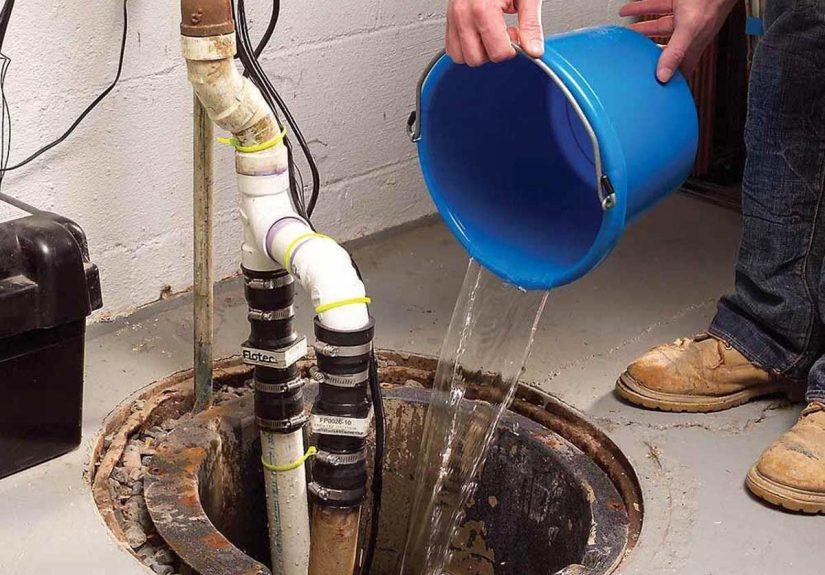
There is also the emotional education of maintenance. Nobody feels glamorous cleaning gutters or pricing sump pumps. But there is a strange grown-up pride that comes from knowing your house is in good shape. You start noticing practical beauty: a dry basement after a storm, a quiet furnace on a cold night, a bathroom fan that actually clears steam, a dishwasher that works without sounding like a helicopter in distress.
Homeowners also learn that every house has a personality. Some are humid. Some are drafty. Some creak dramatically like they are auditioning for a haunted-house podcast. The trick is not demanding perfection. It is knowing your house well enough to spot what is normal and what is new. That awareness saves money, reduces stress, and helps you act before a minor issue becomes a major event.
Another big lesson is that home value is not just resale value. Yes, updates matter. Yes, records matter. Yes, systems matter. But value also lives in comfort, safety, lower utility bills, cleaner air, less stress, and fewer emergencies. A home that functions well improves daily life in ways no listing photo can capture. By 40, that kind of value starts to matter a lot more than trendy finishes.
And maybe that is the real wisdom behind these 40 things: a home is not something you simply own. It is something you learn. The smartest people are not the ones who never have house problems. They are the ones who stop being surprised that homes require care, attention, planning, and occasional humility. Usually the humility arrives with a plumber.
Conclusion
Knowing a home by age 40 means understanding how it protects you, how it costs you, and how it rewards you when you take care of it. Learn the safety basics. Respect water, air, and electricity. Track the age and condition of major systems. Budget for repairs. Improve efficiency where it counts. Test for the hazards you cannot see. Keep records. Ask pros when needed. And remember: the goal is not a perfect house. The goal is a healthy, functional, resilient home that supports real life.