Table of Contents >> Show >> Hide
- Why Your Interview Behavior Matters
- 1. Act Prepared, Not Scripted
- 2. Act Professional to Everyone, Not Just the Interviewer
- 3. Act Calm, Confident, and Genuinely Engaged
- 4. Act Like a Future Teammate, Not a Desperate Contestant
- Common Interview Mistakes That Quietly Hurt Candidates
- Experience-Based Lessons: What Interview Behavior Looks Like in Real Life
- Conclusion
Job interviews are funny little performances. You put on a nice outfit, sit in a chair that somehow feels both too soft and too judgmental, and try to sound like a competent adult while your brain whispers, “Please don’t say anything weird.” The good news? You do not need to become a slick corporate robot to succeed. In fact, the best interview behavior is usually simple: be prepared, be professional, be calm, and be genuinely interested.
If you have ever wondered how to act at a job interview without looking rehearsed, awkward, or painfully eager, you are in the right place. The strongest candidates do more than answer questions well. They show that they can handle themselves like a future coworker. That means the way you enter the room, listen, speak, react, and follow up all matter.
This guide breaks the process down into four practical ways to act at a job interview so you can make a strong impression without trying to become a completely different person. Think of it as professional polish with your personality still intact.
Why Your Interview Behavior Matters
A hiring manager is not only asking, “Can this person do the job?” They are also asking, “Would this person work well with the team, represent the company well, and handle pressure like a grown-up?” That is why job interview tips often focus on behavior as much as qualifications.
You could have an excellent resume and still lose the opportunity if you seem unprepared, dismissive, scattered, or checked out. On the flip side, a candidate with solid but not perfect credentials can stand out by acting thoughtful, confident, respectful, and engaged. Interview etiquette is not old-fashioned fluff. It is a visible sign of judgment.
1. Act Prepared, Not Scripted
Do your homework before you ever say hello
The first way to act at a job interview is like someone who actually wants this job, not just any job with a paycheck and decent air conditioning. Preparation shows respect. It also calms nerves because you are not walking in blind.
Before the interview, research the company’s mission, products or services, values, recent news, and the role itself. Read the job description closely and identify the top skills the employer seems to care about most. Then think of specific examples from your work, school, freelance, internship, or volunteer background that prove you can do those things.
This is where many candidates go wrong. They prepare by memorizing lines. That usually backfires. Scripted answers sound stiff, and the moment an interviewer asks something unexpected, the whole mental teleprompter catches fire.
A better approach is to prepare themes, stories, and talking points. Know how you want to answer common questions like:
- Tell me about yourself.
- Why do you want this role?
- What are your strengths?
- Tell me about a challenge you handled.
- Why should we hire you?
For behavioral questions, use a clear structure. Explain the situation, the task, the action you took, and the result. In plain English: tell a story with a point. Employers remember candidates who can connect their experience to outcomes, not candidates who wander into a ten-minute monologue and never return.
What prepared behavior looks like
Prepared candidates usually sound focused and specific. They can explain why the company interests them. They can connect their experience to the role. They have a short, polished answer to “Tell me about yourself.” They also bring what they may need, such as extra copies of a resume, a notebook, and a few questions for the interviewer.
For example, instead of saying, “I just really need a new opportunity,” a prepared candidate says, “I’m interested in this role because it blends client communication with project coordination, and in my last position I handled both while improving response times by 20%.” One answer sounds desperate. The other sounds employable.
The goal is not to sound perfect. The goal is to sound ready.
2. Act Professional to Everyone, Not Just the Interviewer
Your interview starts before the interview starts
The second way to act at a job interview is professionally from the moment you arrive. Not when the hiring manager walks in. Not when you get to the “real questions.” From the moment you enter the building, log into the video call, or reply to the scheduling email.
That means being polite to the receptionist, security guard, recruiter, coordinator, intern, and anyone else you encounter. Companies notice this more than candidates think. Someone may casually ask, “How was the candidate up front?” and suddenly your fate is partly in the hands of the person you barely looked at while checking your phone.
Professional behavior also includes the basics that somehow still trip people up:
- Arrive early, but not absurdly early.
- Silence your phone.
- Dress in a way that fits the company and the role.
- Use people’s names correctly.
- Do not interrupt.
- Do not speak negatively about former bosses, coworkers, professors, or clients.
Even if your previous workplace was a flaming dumpster of bad communication, avoid turning the interview into a revenge documentary. Employers may sympathize with a tough situation, but repeated negativity makes them wonder whether you bring stress into every room.
Manners still matter
Professional does not mean cold. It means respectful, steady, and socially aware. Smile when appropriate. Offer a greeting with confidence. Listen fully before answering. If you do not understand a question, ask for clarification instead of bluffing your way into nonsense.
And yes, little things count. Saying “Thanks for having me today,” waiting for the interviewer to finish speaking, and speaking clearly without too much slang all contribute to a polished impression. These behaviors signal maturity, and maturity is very hireable.
3. Act Calm, Confident, and Genuinely Engaged
Your body language is talking even when you are not
The third way to act at a job interview is with calm confidence. Not fake swagger. Not motivational-speaker energy. Just steady, engaged presence.
Start with body language. Sit up straight, keep your posture open, and make comfortable eye contact. Avoid crossing your arms tightly, slouching, fidgeting nonstop, or staring at the floor like it owes you money. A natural smile can also go a long way. You do not need to grin like you just won a cruise, but looking pleasant and interested matters.
When the interviewer is speaking, actually listen. Nod occasionally. Let them finish. Pause before responding if you need a second to think. That pause does not make you look less capable. It makes you look thoughtful.
Also pay attention to your tone. Many candidates focus so much on saying the “right” words that they forget how they sound. Speaking too fast can make you seem anxious. Speaking too quietly can make you seem unsure. Aim for a clear, conversational tone that sounds confident without sounding rehearsed.
How to show confidence without overdoing it
Confident candidates do not try to dominate the room. They answer clearly, use specific examples, admit what they are still learning, and stay composed if a question catches them off guard.
For instance, if you are asked something unexpected, you can say, “That’s a great question. Let me think for a moment,” and then answer. That sounds far better than panicking and launching into a confusing word tornado.
Confidence also comes from remembering that an interview is a two-way conversation. You are not begging to be chosen by an all-powerful wizard panel. You are assessing fit too. That mindset helps reduce nerves and makes your energy feel more grounded.
Virtual interviews count too
If the interview is online, calm and engaged behavior matters just as much. Test your tech, check your lighting, use a clean background, and position the camera at eye level. Look at the camera regularly instead of staring only at your own face. Keep notes nearby if needed, but do not read from them like you are delivering breaking news.
Video interviews magnify awkward habits, so be extra intentional about posture, eye contact, and staying visibly attentive. The goal is to feel human, prepared, and easy to talk to through a screen.
4. Act Like a Future Teammate, Not a Desperate Contestant
Show interest, curiosity, and good judgment
The fourth way to act at a job interview is like someone they can imagine working with on an ordinary Tuesday. That means being capable, but also collaborative, curious, and realistic.
Strong candidates do not just answer questions. They build a conversation. They tie their experience to the role. They ask smart questions. They show enthusiasm for the work without sounding like they are auditioning for a fan club.
Good questions include things like:
- What does success look like in this role in the first six months?
- What are the biggest challenges the team is facing right now?
- How would you describe the team’s working style?
- What qualities have made people successful here?
Questions like these show that you are thinking beyond the interview and into the actual work. That is powerful. It suggests maturity and genuine interest.
Meanwhile, avoid acting transactional too early. Compensation matters, of course, but launching into salary, vacation days, and promotion timelines before you have even shown why you belong there can feel tone-deaf. Read the room. Let the conversation develop naturally.
Follow up like a professional
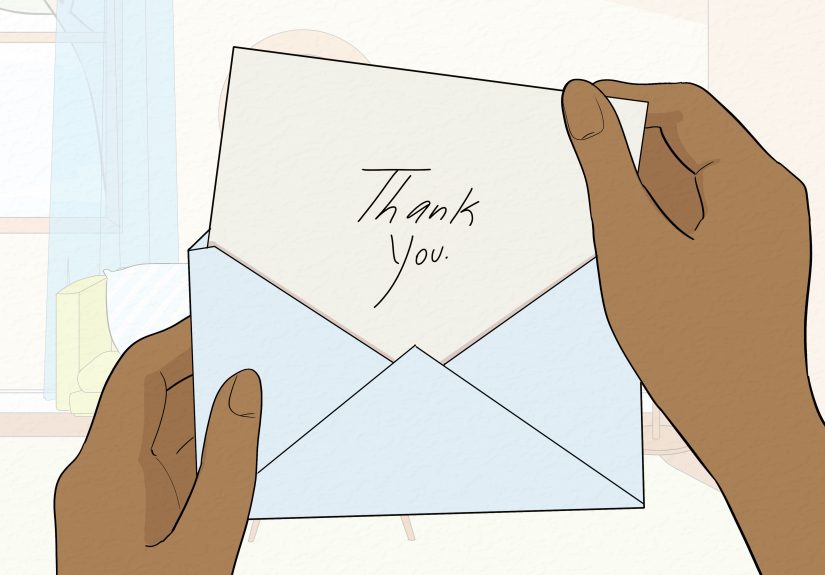
Your behavior after the interview matters too. Send a thank-you email within about a day. Keep it concise, warm, and tailored. Mention something from the conversation, reaffirm your interest, and thank the interviewer for their time.
A generic thank-you note is better than nothing, but a personalized one is better than generic. It reminds the interviewer that you listened, cared, and know how to follow through.
Common Interview Mistakes That Quietly Hurt Candidates
Sometimes the fastest way to improve your interview behavior is to know what to stop doing. Here are a few common mistakes that weaken an otherwise solid interview:
- Overexplaining every answer until the point disappears.
- Talking only about duties instead of results.
- Sounding interested in any job, rather than this specific role.
- Rambling when nervous instead of pausing and regrouping.
- Badmouthing a former employer.
- Forgetting to ask questions.
- Acting overly casual because the interviewer seems friendly.
- Sending no follow-up after a strong conversation.
The best fix for most of these is awareness. Once you know your habits, you can correct them with practice.
Experience-Based Lessons: What Interview Behavior Looks Like in Real Life
To make this advice more practical, it helps to think through common interview experiences that teach the same lessons again and again.
One candidate walked into an interview with amazing credentials and absolutely zero warmth. He answered every question correctly, but in the driest possible way. No smile, no curiosity, no sense that he wanted to be there. On paper, he looked outstanding. In person, he felt like a software update notice. The hiring team passed, not because he lacked skill, but because they could not picture him collaborating comfortably with clients or coworkers. Lesson learned: competence matters, but so does presence.
Another candidate was visibly nervous. Her hands shook a little when she sat down, and she admitted she was excited and a bit anxious. But then she settled in, listened carefully, and answered with clear examples. When she did not understand one question, she asked for clarification instead of guessing. She thanked the coordinator on the way in, smiled at everyone she met, and sent a thoughtful follow-up note later that afternoon. She was not flawless, but she felt real, prepared, and easy to trust. That candidate got the offer.
There is also the classic overprepared interviewee. This person has memorized every answer so tightly that the conversation sounds like a school play with one actor. Ask a question slightly out of order, and the response still arrives from script page three. It is uncomfortable for everyone. Interviewers want preparation, not recitation. A polished answer should still sound alive.
Virtual interviews create their own learning moments. One applicant had strong answers, but spent most of the conversation looking down at a second screen. It gave the impression that he was distracted or reading. Another candidate in a similar situation kept the camera at eye level, used a clean background, and glanced at notes only briefly. The difference was not dramatic talent. It was thoughtful setup. Small choices changed how confidence and attention came across.
Then there is the candidate who understands that interviews are two-way conversations. Near the end, instead of saying, “Nope, I think I’m good,” she asked what success would look like in the first 90 days and what challenges the team hoped the new hire would solve. That shifted the tone immediately. She no longer sounded like someone hoping to survive the interview. She sounded like someone already thinking like a member of the team.
These experiences all point to the same truth: the best interview behavior is not about pretending to be perfect. It is about making it easy for an employer to imagine working with you. When you act prepared, respectful, calm, and engaged, you reduce doubt. And in hiring, reducing doubt is often half the battle.
Conclusion
If you want to know how to act at a job interview, remember this: be prepared without sounding robotic, be professional with everyone, show calm confidence through your words and body language, and act like a thoughtful future teammate. That combination is powerful because it tells employers more than “I want this job.” It tells them, “I know how to show up.”
No interview will ever feel perfectly natural. A little nervousness is normal. But when you focus on these four habits, you stop trying to “win” the room and start building genuine trust. And that is often what turns a decent interview into a job offer.