Table of Contents >> Show >> Hide
- Why Kitchen Cabinets Matter More Than You Think
- Timeless Cabinet Ideas That Work Almost Anywhere
- Modern and Minimalist Kitchen Cabinet Ideas
- Traditional, Transitional, and Elegant Cabinet Styles
- Rustic, Cottage, Farmhouse, and Vintage-Inspired Ideas
- Bold, Luxe, and Statement-Making Cabinet Ideas
- How to Choose the Right Cabinet Idea for Your Style
- Real-World Experiences With Kitchen Cabinet Ideas
- Conclusion
- SEO Tags
If your kitchen cabinets could talk, they would probably ask for better lighting, fewer greasy fingerprints, and maybe a little respect. Cabinets do the heavy lifting in a kitchen: they define the style, shape the workflow, and quietly hide the snacks you said you were saving for guests. The good news is that great cabinetry is not limited to one aesthetic. Whether you love modern minimalism, cozy cottage charm, sleek urban drama, or classic traditional details, there is a cabinet approach that can make your kitchen look smarter and work harder.
This guide rounds up 38 kitchen cabinet ideas for every design style, from timeless shaker fronts to moodier painted finishes, warm wood tones, glass accents, and clever storage features. Think of it as a design buffet, only with fewer calories and much better hardware.
Why Kitchen Cabinets Matter More Than You Think
In most kitchens, cabinets occupy the most visual real estate. That means the door profile, color, finish, hardware, and layout have an outsized impact on the room’s personality. The best kitchen cabinet ideas are never just about looks, though. They balance beauty with practical details like durability, storage efficiency, easy cleaning, and a style that still feels good five years from now.
When choosing cabinet styles, it helps to think in layers: the overall design style, the door construction, the finish or paint color, the hardware, and the interior organization. Once those layers work together, your kitchen stops feeling random and starts feeling designed.
Timeless Cabinet Ideas That Work Almost Anywhere
1. Classic Shaker Cabinets
Shaker cabinets are the blue jeans of kitchen design: simple, reliable, and somehow appropriate almost everywhere. Their clean recessed panel works in farmhouse, transitional, traditional, and even modern kitchens when paired with updated hardware.
2. Slim Shaker for a Fresh Upgrade
If classic Shaker feels a little too familiar, go slimmer. Narrower rails and stiles keep the same timeless spirit but feel more refined, especially in homes that lean modern traditional or soft contemporary.
3. Warm White Cabinets
Bright white kitchens had their long reign, but warmer whites feel more relaxed and livable. Choose creamy or soft off-white tones to make the room feel welcoming rather than clinical.
4. Natural Oak Cabinets
Oak has moved well beyond its dated reputation. In a matte finish with cleaner lines, natural oak cabinets add warmth, texture, and a grounded look that pairs beautifully with stone, brass, or black accents.
5. Walnut for Instant Depth
Walnut cabinetry brings richness without looking flashy. It works especially well in mid-century, modern, and upscale traditional kitchens where a darker wood tone can add contrast and visual weight.
6. Inset Cabinet Doors
Inset doors sit neatly inside the frame, creating a furniture-like appearance. They are a favorite in traditional and high-end kitchens because they look tailored, intentional, and just a little bit expensive in the best possible way.
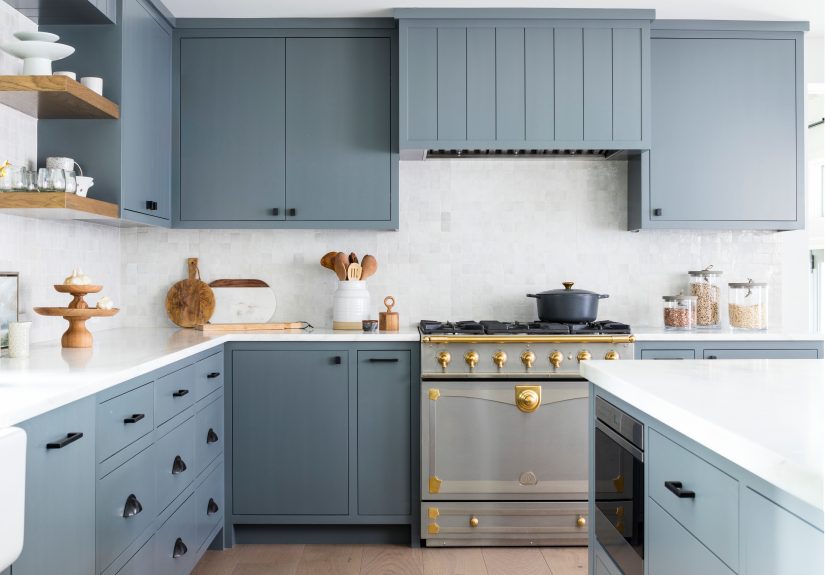
7. Beadboard Cabinet Panels
Beadboard fronts are ideal for cottage, coastal, and farmhouse kitchens. The vertical grooves introduce texture and character without requiring loud color or fussy ornament.
8. Glass-Front Upper Cabinets
Glass-front uppers break up a wall of solid cabinetry and lighten the whole kitchen. They are perfect for displaying dishes, glassware, or anything nice enough to earn a promotion from the cabinet dungeon.
Modern and Minimalist Kitchen Cabinet Ideas
9. Flat-Panel Cabinets
Flat-panel, or slab-front, cabinets are a go-to for modern kitchens. Their unadorned face feels clean and architectural, especially when paired with streamlined appliances and simple countertops.
10. Handleless Cabinet Fronts
For an ultra-clean look, consider push-latch systems or integrated finger pulls. This approach keeps the kitchen visually calm and works beautifully in contemporary spaces where clutter is the enemy.
11. Matte Finish Cabinets
High gloss can look sharp, but matte finishes feel more current and forgiving. They soften the look of painted cabinetry and hide smudges better, which is always a win in a room full of cooking, grabbing, and daily chaos.
12. Floor-to-Ceiling Cabinetry
Taking cabinets all the way up creates a custom look and adds serious storage. It also eliminates that awkward dusty zone above the cabinets where decorative bowls go to retire.
13. Minimal Black Cabinets
Black cabinetry adds drama, especially in kitchens with lots of natural light. Use it with warm wood, soft stone, or lighter walls so the space feels bold instead of gloomy.
14. Mixed Wood and Painted Cabinets
Combining wood cabinets with painted cabinetry creates depth and prevents the kitchen from feeling too flat. Try a wood island with painted perimeter cabinets, or wood pantry towers with softer lower cabinets.
15. Recessed Finger Pulls
Not every modern kitchen needs totally invisible hardware. Recessed pulls provide a sleek, practical compromise that keeps the cabinetry functional without disrupting the lines.
16. Mirrored or Reflective Inserts
Reflective cabinet details can bounce light around the room and add a glam edge. Use them sparingly on a pantry section or bar cabinet to avoid turning your kitchen into a disco ball with a dishwasher.
Traditional, Transitional, and Elegant Cabinet Styles
17. Two-Tone Cabinets
Two-tone cabinetry remains one of the smartest ways to create dimension. Dark lowers with light uppers, or stained wood on an island with painted perimeter cabinets, can make the room feel layered and intentional.
18. Navy Blue Cabinets
Navy is a classic cabinet color because it acts almost like a neutral. It brings depth and polish while still playing nicely with brass, chrome, marble, butcher block, and white walls.
19. Sage Green Cabinets
Sage works across design styles because it feels calm, natural, and easy to live with. It is especially strong in cottage, traditional, and soft modern kitchens.
20. Mushroom and Taupe Tones
If beige had a chic cousin who traveled and owned nice linen napkins, it would be mushroom. These earthy neutrals feel sophisticated and pair well with both warm and cool materials.
21. Creamy Greige Cabinets
Greige cabinets bridge classic and contemporary design. They give you more softness than gray and more flexibility than stark white, making them ideal for transitional kitchens.
22. Mullion or Gridded Glass Doors
Mullion doors bring a decorative, traditional look that works beautifully in more formal kitchens. They feel especially at home in butler’s pantries, beverage stations, or built-in hutches.
23. Furniture-Style Island Cabinetry
Make the island look like a piece of furniture by using legs, feet, decorative panels, or a different finish. It adds charm and helps the center of the kitchen feel special rather than purely utilitarian.
24. Decorative Crown and Trim Details
Traditional kitchens often benefit from crown molding, light trim, or finished end panels. These details can make stock cabinets feel more custom and more connected to the architecture of the home.
Rustic, Cottage, Farmhouse, and Vintage-Inspired Ideas
25. Honey-Toned Wood Cabinets
Warm honey woods are back when handled with restraint. Pair them with simple hardware, matte finishes, and updated counters to keep the look nostalgic but not stuck in a time capsule.
26. Distressed or Weathered Finishes
A gently aged finish can add personality to farmhouse and rustic kitchens. The trick is subtlety. You want “collected charm,” not “these cabinets survived a minor shipwreck.”
27. Open Shelving Mixed with Closed Cabinets
Instead of replacing all your uppers with open shelves, use a hybrid approach. A few shelves can display pretty dishes or everyday items while the closed cabinets keep the visual clutter under control.
28. Plate Racks and Display Niches
Small display details can bring charm to cottage and vintage kitchens. A built-in plate rack or niche adds a custom touch and creates an opportunity for decorative styling without overwhelming the room.
29. Soft Blue Cottage Cabinets
Light blue cabinets feel breezy and approachable. They are especially effective in cottage, coastal, and traditional kitchens where you want color, but not too much color.
30. Retro-Inspired Cabinet Colors
Muted mint, butter yellow, coral, or even dusty red can bring a playful retro spirit to the kitchen. Keep the cabinet shape simple so the color gets the spotlight without becoming cartoonish.
31. Larder-Style Pantry Cabinets
Tall pantry cabinets with deep shelves, pullouts, and closed doors create a tidy, old-world-meets-modern solution. They look charming and help hide all the cereal boxes that refuse to match anything.
32. Cabinet Curtains for Select Zones
In cottage or vintage spaces, fabric panels can soften a lower cabinet area or pantry nook. Used thoughtfully, they bring texture and personality while nodding to older kitchen traditions.
Bold, Luxe, and Statement-Making Cabinet Ideas
33. Deep Green Statement Cabinets
Forest, olive, and dark green cabinets feel rich, grounded, and sophisticated. They work especially well with unlacquered brass, warm wood floors, and creamy stone surfaces.
34. Burgundy or Merlot Cabinetry
For homeowners who want something moodier than navy but warmer than black, rich wine tones can feel surprisingly elegant. They are dramatic without being too trendy when balanced with classic materials.
35. Fluted or Reeded Cabinet Fronts
Textured cabinet fronts bring movement and personality. Fluting works in contemporary, artful, and luxury kitchens where a flat wall of cabinets might otherwise feel too plain.
36. Mixed Metal Hardware
You do not need to pledge lifelong loyalty to one metal finish. Mixing chrome, bronze, brass, or black hardware can make a kitchen feel more collected, especially when one finish clearly leads and the others support.
37. Contrasting Interior Cabinet Colors
Painting the inside of glass-front cabinets or a pantry cabinet in a contrasting shade adds a custom surprise. It is one of those details guests notice and immediately assume you hired someone very expensive.
38. Hidden Functional Features
The best luxury often hides in plain sight. Appliance garages, tray dividers, pullout spice storage, drawer organizers, toe-kick drawers, and concealed trash solutions make cabinets feel smarter and far more satisfying to use every day.
How to Choose the Right Cabinet Idea for Your Style
If you love clean lines and clutter-free surfaces, look toward flat-panel cabinets, matte finishes, handleless fronts, and floor-to-ceiling storage. If your taste leans timeless, shaker or inset cabinets in warm white, navy, oak, or greige are hard to beat. If your dream kitchen has a little soul, beadboard, glass fronts, furniture-style islands, and natural wood grains can deliver character without sacrificing function.
The smartest approach is usually not to chase every trend at once. Pick one dominant cabinet style, then layer in color, hardware, texture, and storage features that support it. A well-designed kitchen feels edited. A poorly designed one feels like twelve Pinterest boards got into an argument.
Real-World Experiences With Kitchen Cabinet Ideas
One of the most useful lessons homeowners learn during a kitchen remodel is that cabinet decisions feel abstract in a showroom and very real at 7:12 a.m. on a Tuesday when someone is looking for coffee filters. On paper, dramatic cabinet colors, delicate hardware, or open shelving can seem irresistible. In daily life, ease matters just as much as beauty. Families with young kids often discover that lower cabinets in darker paint or wood tones hide scuffs far better than bright finishes. People who cook often become evangelists for deep drawers, tray dividers, and pantry pullouts because they reduce the “Where did the lid go?” mystery that haunts so many kitchens.
Another common experience is that tone matters more than trend. A homeowner may start out saying they want an all-white kitchen because it feels safe, then realize what they actually want is brightness, not whiteness. That distinction opens the door to warm oak, creamy paint, pale sage, or soft greige cabinetry that feels far more personal. In many remodels, the winning cabinet choice is not the boldest one but the one that works with the home’s architecture, natural light, and daily habits.
Storage surprises also tend to shape opinions fast. Many people assume more cabinets automatically mean better storage, but the interior layout matters just as much. A beautiful wall of cabinets can still be annoying if the corners are wasted, the shelves are fixed at awkward heights, or the trash pullout is too small for real life. That is why experienced homeowners often say the best money they spent was on thoughtful cabinet accessories rather than another decorative detail. Pullout shelves, vertical tray storage, drawer organizers, and hidden charging stations are not flashy, but they quietly improve life every single day.
Style-wise, mixed finishes often age better than overly matched kitchens. A kitchen with painted perimeter cabinets and a wood island tends to feel richer over time because it has contrast and texture. Likewise, a few glass-front cabinets or a furniture-style pantry can keep the room from feeling one-note. These details create rhythm, which is a fancy design word for “your kitchen does not look like it was copied and pasted.”
Perhaps the biggest real-world takeaway is this: cabinet ideas succeed when they match the pace of the household. A tidy minimalist might love open shelves and handleless fronts. A busy family may prefer durable painted lowers, closed storage, and hardware large enough to grab while holding a lunchbox. A serious home cook may care more about drawer depth and pantry access than the difference between slim Shaker and classic Shaker. In the end, the most successful kitchen cabinet ideas are the ones that make the room look like you, function for you, and still make sense when the novelty wears off. Good cabinets should not just photograph well. They should survive real life with style, grace, and maybe a hidden snack drawer.
Conclusion
The best kitchen cabinets do not belong to one design camp. They can be classic, modern, rustic, colorful, restrained, or full of personality. What matters is choosing a cabinet style that fits your home, supports your routine, and creates a kitchen you actually enjoy using. Whether you fall for warm wood, soft paint, sleek flat fronts, or charming inset details, the right cabinetry can transform the entire room from “functional enough” to “why yes, I do suddenly want to host brunch.”