Table of Contents >> Show >> Hide
- Why HIV Symptoms Are Easy to Misread
- 1. Notice a Flu-Like Illness That Shows Up Soon After Infection
- 2. Recognize That No Symptoms, Mild Symptoms, or “Random” Symptoms Can Still Matter
- 3. Pay Attention to Later Signs That the Immune System Is Struggling
- What HIV Symptoms Cannot Tell You
- What to Do If You Think You Recognize HIV Symptoms
- Common Experiences People Describe Before Getting Tested
- Final Thoughts
HIV rarely arrives wearing a name tag. That is part of what makes it so tricky. In the early stage, it can feel like the world’s most annoying flu. In the middle stage, it may seem like nothing is happening at all. Later on, if HIV goes untreated, the warning signs can look like a string of unrelated health problems rather than one clear answer. That is why people often miss it, dismiss it, or blame it on stress, lack of sleep, a busy week, or the mysterious force known as “something I ate.”
If you want to recognize HIV symptoms more clearly, the best approach is not to memorize a giant scary list and panic every time you sneeze. It is smarter to understand the patterns. HIV symptoms tend to show up in stages, and the most important clue is not always a symptom by itself. Sometimes the clue is the timing. Sometimes it is the fact that symptoms disappear. Sometimes it is the bigger picture of recurring illness, fatigue, weight loss, or infections that keep coming back for an unwanted encore.
This guide breaks the topic into three practical ways to recognize HIV symptoms. It also explains what symptoms can and cannot tell you, why testing matters more than guessing, and what to do next if you think something is off. One important reminder before we begin: symptoms alone cannot diagnose HIV. The only way to know for sure is to get tested.
Why HIV Symptoms Are Easy to Misread
Before diving into the three ways, it helps to understand why HIV can be difficult to spot. Early HIV symptoms overlap with everyday illnesses. Fever, sore throat, fatigue, swollen glands, rash, muscle aches, headaches, and mouth ulcers are not exactly rare guests in the human body. They can show up with common viral infections, stress-related immune dips, or a dozen other conditions. So yes, HIV can cause symptoms, but those symptoms are not exclusive to HIV.
There is another twist: some people do not notice symptoms at all during the early stage. That means a person can assume everything is fine while the virus is already active. Then, during the chronic stage, HIV may stay quiet or cause only mild, vague problems while it continues affecting the immune system. In other words, HIV is not always loud. Sometimes it whispers.
1. Notice a Flu-Like Illness That Shows Up Soon After Infection
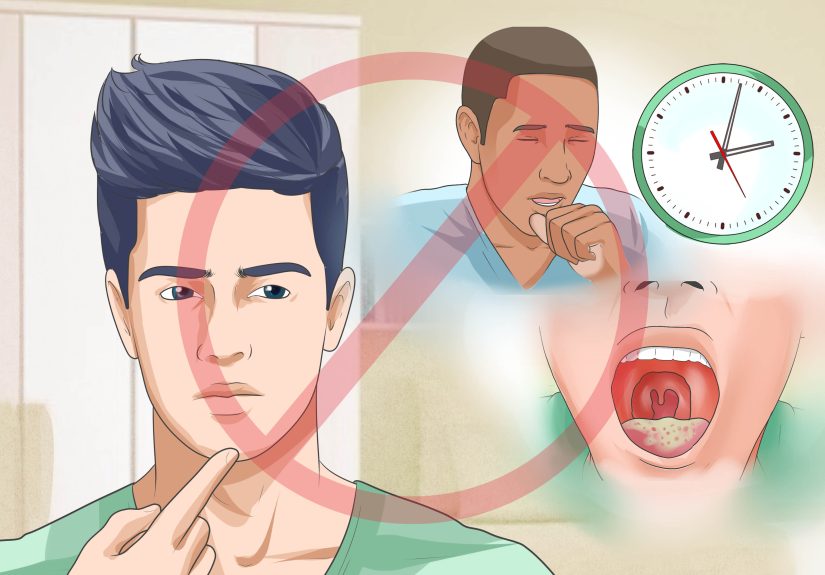
The first way to recognize HIV symptoms is to pay attention to a sudden flu-like illness that appears soon after a possible exposure. Early HIV infection often causes what clinicians call acute HIV infection or acute retroviral syndrome. This usually happens within a few weeks after infection, often around 2 to 4 weeks.
What Early HIV Symptoms Can Look Like
In this stage, the body is reacting to the virus for the first time. Common early HIV symptoms may include:
- Fever
- Chills
- Sore throat
- Rash
- Night sweats
- Muscle aches
- Fatigue
- Swollen lymph nodes
- Headache
- Mouth ulcers
- Diarrhea
That list sounds suspiciously like the flu, a nasty cold, mono, or another common virus. Exactly. That is why early HIV symptoms are so often overlooked. The important clue is not just what the symptoms are. It is also when they happen and how they cluster together.
For example, imagine someone who feels perfectly normal, then a few weeks after a possible exposure suddenly develops fever, sore throat, fatigue, swollen glands, and a rash. That combination should not automatically make them assume they have HIV, but it should absolutely move HIV testing higher on the checklist. Timing matters. Pattern matters. A weird “flu” at the wrong time is worth respecting.
How Long Do Early Symptoms Last?
Early symptoms can last for a few days or several weeks. In many people, they fade away on their own. And that is where the confusion really begins. People often think, “Well, I got better, so it must have been nothing serious.” Unfortunately, symptom improvement does not rule out HIV. The virus may remain active even after the early illness passes.
Think of acute HIV like a fire alarm that rings briefly and then goes quiet. Silence does not always mean the problem is gone. Sometimes it means the fire moved behind the wall.
What Makes This First Pattern Important
If you are trying to recognize early HIV symptoms, do not focus on a single symptom in isolation. A sore throat alone is just a sore throat. A headache alone is still annoyingly ordinary. But a cluster of flu-like symptoms appearing a few weeks after a possible exposure deserves attention. This is one of the clearest ways HIV may first show itself.
2. Recognize That No Symptoms, Mild Symptoms, or “Random” Symptoms Can Still Matter
The second way to recognize HIV symptoms may sound backward, but it is essential: understand that HIV does not always produce obvious symptoms. In fact, many people do not feel sick at all during early infection, and the chronic stage of untreated HIV can last for years with few or no noticeable symptoms.
No Symptoms Does Not Mean No HIV
This point matters because many people rely too heavily on how they feel. If they do not feel sick, they assume they are fine. But HIV does not care about assumptions. You can look healthy, feel healthy, go to work, answer emails, complain about laundry, and still have HIV.
That is why one of the smartest ways to recognize HIV symptoms is to stop depending on symptoms alone. If there has been a possible exposure, testing matters even if there are zero symptoms. In some cases, the absence of symptoms is part of the pattern, not proof that everything is okay.
When Symptoms Feel Too Vague to Mean Anything
Another challenge is that chronic HIV symptoms can be subtle or vague. A person may feel more tired than usual, get sick more often, or notice that recovery from routine infections seems slower. None of those signs scream HIV on their own. But together, especially over time, they can suggest that something deeper is going on with the immune system.
This is where context becomes your best friend. A single tired week could be work stress. Two months of unusual fatigue, frequent minor illnesses, swollen glands, or recurring mouth problems deserve a closer look. Bodies do not always send dramatic warning signals. Sometimes they just keep tapping you on the shoulder until you finally turn around.
Testing Matters More Than Guessing
If you are trying to recognize HIV symptoms, the most practical mindset is this: symptoms can raise suspicion, but testing gives answers. HIV tests also have what is called a window period, which is the time between infection and when a test can accurately detect it. Different tests detect HIV at different times.
In general, a nucleic acid test can detect HIV sooner than other options, often starting around 10 to 33 days after exposure. A lab-based antigen/antibody test usually detects infection later than that, often around 18 to 45 days. Rapid tests and self-tests can take longer, depending on the type. If a test is negative too early, follow-up testing may still be needed after the window period.
That means you should not play detective with symptoms for weeks when testing can give you a clearer path. If there was a possible exposure in the last 72 hours, it is especially important to seek care quickly because post-exposure prophylaxis, called PEP, works best when started as soon as possible and no later than 72 hours.
3. Pay Attention to Later Signs That the Immune System Is Struggling
The third way to recognize HIV symptoms is to notice later, more persistent signs that untreated HIV may be affecting the immune system. When HIV is not treated, it can progress through stages. Over time, the immune system becomes weaker, and the body may have a harder time fighting infections and certain illnesses.
Later HIV Symptoms Can Look More Serious
As immune damage increases, symptoms may become harder to ignore. Later-stage HIV or AIDS-related symptoms can include:
- Persistent swollen lymph nodes
- Extreme fatigue or low energy
- Loss of appetite
- Unintentional weight loss
- Chronic or recurrent diarrhea
- Repeated yeast infections or oral thrush
- Frequent fevers or night sweats
- Repeated infections
- Skin changes, rashes, or unusual lesions
- Shortness of breath or serious lung infections
At this point, the issue is less “I had one weird flu” and more “My body keeps having problems that do not seem normal anymore.” A person may notice that they keep getting sick, do not bounce back well, or develop infections that are more severe than expected. These are not symptoms to shrug off.
What Opportunistic Infections Mean
When HIV becomes advanced, the weakened immune system may allow opportunistic infections to appear. These are illnesses that happen more often or are more severe in people whose immune systems are damaged. Examples include thrush, certain types of pneumonia, tuberculosis, and other infections that take advantage of reduced immune defense.
This does not mean every persistent cough or mouth problem equals HIV. It means repeated, unusual, or severe infections should be taken seriously, especially if they are paired with weight loss, fatigue, fever, diarrhea, or persistent swollen glands. The body is not being dramatic. It is filing a complaint.
What HIV Symptoms Cannot Tell You
Here is the most important reality check in the entire article: HIV symptoms are not specific enough to diagnose HIV by themselves. Flu-like symptoms can be caused by many infections. Later symptoms can overlap with dozens of medical issues. Even a classic pattern does not confirm HIV, and the absence of symptoms does not rule it out.
So if you are searching online for “Do I have HIV?” because you have a sore throat and a headache, do not let fear take the wheel. A symptom list is not a lab result. Use symptom awareness as a reason to seek testing, not as a reason to self-diagnose.
What to Do If You Think You Recognize HIV Symptoms
Get Tested
The only way to know your HIV status is to get tested. If you had a possible exposure, ask what type of test is right for your timing and whether you need repeat testing after the window period.
Do Not Wait for Symptoms to Get Worse
Many people delay testing because they hope symptoms will go away or because they feel embarrassed. Waiting does not improve the situation. Early diagnosis allows earlier treatment, and modern HIV treatment can help people live long, healthy lives.
Seek Urgent Care After a Recent Possible Exposure
If the possible exposure was within the last 72 hours, ask about PEP immediately. That is a time-sensitive step, so this is not the moment for “I’ll deal with it next week” energy.
Think About Prevention for the Future
If you test negative but have ongoing risk, ask a healthcare provider about prevention options such as regular screening and PrEP. Knowing your status is not just about diagnosis. It is also about staying healthy moving forward.
Common Experiences People Describe Before Getting Tested
One of the most useful ways to understand HIV symptoms is to look at the kinds of experiences that often send people to get tested. Not because every story points to HIV, but because patterns are easier to recognize when they are described in real-life terms instead of textbook language.
A common experience is the “mystery flu” moment. Someone gets fever, chills, a sore throat, crushing fatigue, maybe a rash, and assumes they picked up a random virus. They rest, drink fluids, complain about how adulthood is a scam, and eventually feel better. Weeks or months later, they realize the timing of that illness was more significant than they thought. The lesson is not to panic over every fever. It is to remember that a flu-like illness after a possible exposure deserves testing, even if it goes away.
Another common experience is having no early symptoms at all. This is where many people get falsely reassured. They think, “I feel fine, so I’m probably fine.” But HIV does not always create immediate warning signs. Some people only discover it through routine screening, testing during pregnancy, testing before another medical procedure, or screening after a partner suggests it. In these cases, the experience is not dramatic. It is almost ordinary. That quietness is exactly why routine testing matters.
There is also the slow-build experience. Instead of one obvious illness, a person notices little things over time. They feel run-down more often. Their lymph nodes seem swollen. Mouth sores or yeast infections keep returning. They lose weight without trying. They get sick more often than usual, or infections seem to hit harder and last longer. None of these symptoms alone feels like a billboard that says HIV. Together, though, they can create a picture that is hard to ignore.
Some people describe the emotional side just as strongly as the physical side. They may spend weeks guessing, searching symptoms online, and hoping for certainty from a symptom checklist. But symptom checklists cannot provide certainty. Testing does. In many cases, the biggest turning point is not a new symptom. It is the moment someone decides to stop guessing and start getting real information.
There is also an important experience that does not get talked about enough: relief after testing, regardless of the result. If the test is negative, a person can stop spiraling and focus on prevention. If the test is positive, they can move toward treatment, care, and support instead of living in uncertainty. Either way, testing replaces fear with facts. And facts are much more useful than a late-night internet rabbit hole.
The biggest takeaway from these experiences is simple. HIV symptoms are often recognized in hindsight, not in the moment. That is why awareness matters, but testing matters more. Symptoms can point you in the right direction. Only a test can tell you where you actually are.
Final Thoughts
If you want to recognize HIV symptoms, remember these three practical approaches. First, watch for a flu-like illness that appears soon after a possible exposure. Second, remember that mild symptoms, vague symptoms, or no symptoms at all do not rule HIV out. Third, pay attention to later signs that the immune system may be under strain, especially recurrent infections, fatigue, weight loss, or persistent swollen glands.
Most of all, do not treat symptoms like a verdict. Treat them like clues. HIV is manageable, and early diagnosis makes a major difference. If something feels off, or if there has been a possible exposure, get tested. Your future self will appreciate the honesty, the action, and the refusal to let guesswork run the show.