Table of Contents >> Show >> Hide
- Introduction: Why a Private Diary Matters
- Way 1: Use a Diary Format That Naturally Protects Privacy
- Way 2: Store Your Diary in a Respectful Private Space
- Way 3: Set Boundaries with Your Parents Without Starting World War III
- What Not to Write in a Diary
- How to Make Your Diary Feel Safer to Use
- Why Parents Sometimes Read Diaries
- When Hiding Is Not Enough
- 500-Word Experience Section: What It Feels Like to Protect a Diary
- Conclusion: Privacy Should Protect You, Not Isolate You
Note: This article treats “hide your diary” as protecting healthy personal privacy, not hiding unsafe situations. A diary can be a private space for feelings, jokes, questions, dreams, and the occasional dramatic sentence written at 11:48 p.m. However, if a diary includes worries about being hurt, wanting to hurt yourself, or being in danger, the safest next step is to tell a trusted adult, counselor, doctor, or another responsible person who can help.
Introduction: Why a Private Diary Matters
A diary is more than a notebook with a suspiciously cute cover. It can be a pressure valve, a memory bank, a personal comedy club, a place to untangle confusing emotions, and a tiny paper therapist that never interrupts. For many teens, writing things down makes life feel less like a browser with 37 tabs open and more like a clean desk with one mildly judgmental pencil.
Still, there is one awkward problem: privacy. If you live with parents, guardians, siblings, cousins, or one extremely nosy family cat, keeping a diary private can feel tricky. You may want space to write honestly without worrying that someone will read your thoughts out of curiosity, concern, or the mistaken belief that “I’m your parent” is a universal password.
The good news is that protecting a diary does not have to mean creating a spy-movie operation involving fake walls, secret codes, and a dramatic soundtrack. In fact, the healthiest way to keep a journal private is usually simple: choose a secure format, store it responsibly, and build a respectful privacy boundary with your family when possible.
This guide explains three safe, practical ways to keep your diary private from parents while still encouraging trust, communication, and emotional safety. Think of it as “privacy with a conscience”because your thoughts deserve space, and your safety deserves backup.
Way 1: Use a Diary Format That Naturally Protects Privacy
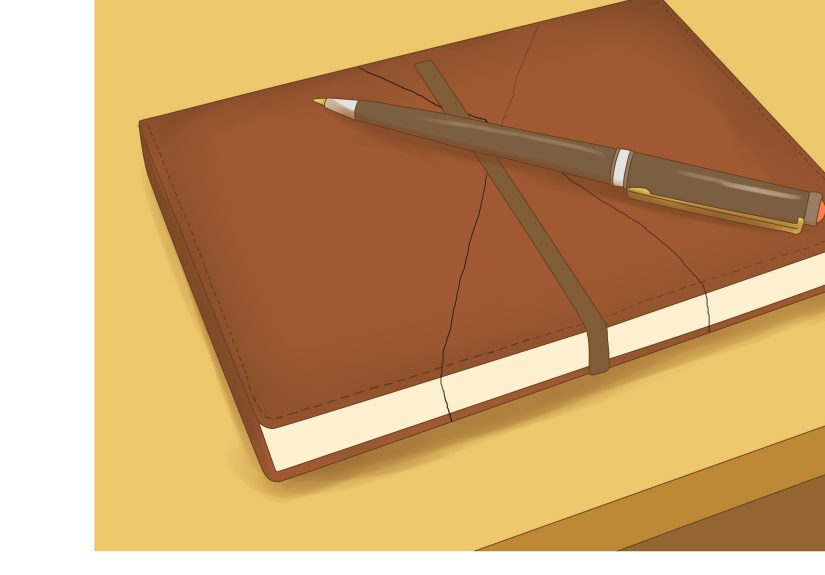
The easiest way to keep your diary private is to choose a format that comes with built-in privacy. A plain notebook can work beautifully, but it also has the security level of a sandwich. Anyone who picks it up can read it. If privacy is important to you, start by choosing a diary style that matches your home situation.
Try a Lockable Journal
A lockable journal is the classic choice for a reason. It sends a clear message: “This is personal.” The lock does not need to be bank-vault-level intense. The point is not to defeat a professional locksmith; it is to create a respectful boundary. A diary with a small lock can remind family members that your private thoughts are not community property.
Choose one that looks ordinary enough to sit with your school supplies or books. Avoid making it look like a glowing treasure chest from a fantasy movie. The more dramatic it looks, the more curious people may become. A simple locked notebook, pencil case, or small personal box often works better than something that screams, “Secrets live here!”
Use a Digital Journal Carefully
Digital journaling can be helpful if you prefer typing, adding photos, or writing from your phone. A password-protected notes app, private journaling app, or encrypted document can offer more privacy than a notebook left on a desk. But digital privacy has its own rules.
First, avoid journaling on shared family devices unless you are sure your account is private. Second, use a strong password that is not your birthday, pet’s name, favorite celebrity, or “password123,” which is basically the digital version of leaving the front door open with a welcome sign. Third, check whether your journal syncs to a family cloud account. Sometimes private notes become less private when they appear on a shared tablet, family computer, or backup folder.
If you use a digital diary, keep your device locked and be thoughtful about notifications. A journaling reminder that pops up saying “Write about why you’re mad at Dad” is not exactly stealthy. Choose neutral notification wording or turn notifications off.
Use a “Plain Cover” Strategy
A diary does not need to say “DIARY” in glitter letters across the front. In fact, a plain notebook often works better. You can use a regular composition book, sketchbook, planner, or binder. The goal is not to trick people in a harmful way; it is to avoid making your private writing the most interesting object in the room.
For example, a notebook labeled “English Notes” may be a bad idea if it causes school confusion or dishonest situations. But a simple, unlabeled notebook stored with other personal writing materials is reasonable. Privacy does not need a costume. Sometimes boring is brilliant.
Way 2: Store Your Diary in a Respectful Private Space
Once you choose your diary format, storage matters. A diary left open on your bed is not hidden; it is auditioning for attention. On the other hand, extremely elaborate hiding places can create stress and make privacy feel like a war. The better option is to choose a normal private space that belongs to you.
Choose a Personal Storage Spot
Good diary storage is private, consistent, and low-drama. A drawer with personal items, a backpack compartment, a bedside box, or a shelf with your books can work. If you have a lockable desk drawer, a small storage box, or a personal organizer, even better.
The key is to avoid places where other people regularly need access. Do not put your diary in a shared junk drawer, laundry basket, kitchen cabinet, or family paperwork folder unless you enjoy creating chaos. If someone finds your diary while looking for batteries, tape, or socks, the hiding spot is not doing its job.
A good rule: store your diary where your personal belongings already live. A diary belongs near your books, school supplies, art materials, or keepsakesnot in a place that invites accidental discovery.
Avoid Risky or Overly Secret Hiding Places
Some advice online turns diary privacy into an escape room. It may suggest hiding things in vents, under floorboards, behind appliances, or in places that could damage the diary or create safety problems. That is unnecessary. Your goal is privacy, not a treasure hunt with fire hazards.
Avoid hiding a diary anywhere damp, hot, dirty, or hard to reach. Bathrooms, garages, outdoor spaces, and laundry areas can ruin paper quickly. A diary full of meaningful thoughts deserves better than mildew and lint.
Also avoid hiding it inside someone else’s belongings. That may protect the diary temporarily, but it can break trust if discovered. Privacy works best when it respects other people’s space too.
Create a Routine
One underrated privacy trick is consistency. If you always put your diary away after writing, it is less likely to be found by accident. Make it part of the routine: write, close it, store it, move on. This is especially useful if you write at night, when sleepy brains are famous for leaving evidence everywhere.
You can also keep a pen with your diary so you are not wandering around the house searching for one and accidentally leaving the journal behind. Privacy often depends less on fancy tools and more on habits that are boring enough to actually work.
Way 3: Set Boundaries with Your Parents Without Starting World War III
The most powerful way to protect your diary is not always a lock or password. Sometimes it is a conversation. Yes, that sounds less exciting than a secret compartment, but healthy boundaries can do what hiding places cannot: reduce suspicion.
Parents may snoop because they are worried, curious, controlling, or unsure how to handle your growing independence. That does not make snooping feel okay. But understanding the reason can help you respond in a way that protects your privacy without turning every family dinner into a courtroom scene.
Explain What Your Diary Is For
You do not need to share what you write. You can explain the purpose instead. For example, you might say, “Writing helps me process my feelings. I’m not hiding something dangerous. I just need a private place to think.” This kind of statement is calm, clear, and hard to argue with unless someone is committed to being the villain in a teen movie.
You can also say, “I’m more likely to talk openly when I feel trusted.” That matters. Privacy and honesty are not opposites. In many families, a reasonable amount of privacy makes communication better because teens do not feel watched every second.
Offer a Safety Agreement
If your parents worry that privacy means danger, a safety agreement can help. You might say, “I want my diary to stay private, but if I’m ever dealing with something serious or unsafe, I’ll talk to you, a counselor, or another trusted adult.”
This reassures them that your diary is not a wall between you and help. It is a place to sort your thoughts before you decide what to say out loud. That distinction is important. A diary can be private, but safety should never be isolated.
Ask for a Privacy Rule
Try asking for a specific rule rather than making a general complaint. “Please don’t read my diary” is clear, but you can make it even stronger: “If you’re worried about me, please talk to me instead of reading my journal.” This gives your parents an alternative action.
If your family uses house rules, suggest a privacy agreement for everyone. For example: knock before entering bedrooms, ask before touching personal notebooks, and talk directly when worried. When privacy is framed as a family value instead of a teen rebellion, it can feel more reasonable.
What Not to Write in a Diary
A diary can hold almost anything: crushes, frustrations, dreams, embarrassing memories, friendship drama, goals, random poetry, and detailed complaints about cafeteria food. Still, there are a few things to handle carefully.
Do not use your diary as the only place you put serious problems. If someone is hurting you, threatening you, pressuring you, or making you feel unsafe, write if it helpsbut also tell a trusted adult. If you feel overwhelmed by thoughts of harming yourself or someone else, do not keep that locked away in a journal. Reach out to a parent, school counselor, doctor, crisis line, or emergency support in your area. Privacy is important, but support is more important when safety is involved.
Also be careful about writing passwords, private addresses, financial information, or anything that could cause problems if lost. A diary is personal, but it is still an object. Objects can be misplaced, borrowed, damaged, or discovered by siblings with suspiciously sticky fingers.
How to Make Your Diary Feel Safer to Use
When you feel confident that your diary is private, writing becomes easier. You can be more honest, more reflective, and more creative. Here are a few small habits that make journaling safer and more useful.
Use Initials Instead of Full Names
If you are writing about friends, teachers, or family members, consider using initials or nicknames. This protects other people’s privacy too. It also makes the diary less explosive if someone accidentally sees a page. “M made me feel ignored today” is less dramatic than a full legal name followed by three paragraphs of emotional thunder.
Date Entries, But Keep Them Balanced
Dates help you track growth over time. You may look back and realize that something that felt enormous in March became manageable by May. However, try not to use your diary only for bad days. Add good moments too: a funny conversation, a small win, a song you loved, a goal you reached, or a moment when you felt proud.
This balance matters because your diary becomes a fuller picture of your life. Otherwise, future you may read it and think, “Wow, did I ever have a normal Tuesday?” Yes, you did. Write those down too.
Create a First Page Privacy Note
A polite first-page note can help if someone opens the diary by accident. For example:
“This journal is private. Writing helps me think and handle feelings. Please respect my privacy and talk to me directly if you are worried.”
This note will not stop every snooper, but it can remind a reasonable person to close the book. It also shows maturity. You are not just demanding privacy; you are explaining its purpose.
Why Parents Sometimes Read Diaries
It may help to understand the parent side, even if you disagree with it. Some parents read diaries because they are anxious. Some do it because they grew up with little privacy themselves and do not realize how invasive it feels. Some believe that protecting their child means knowing everything. Others may have noticed changes in mood, friends, grades, sleep, or behavior and are tryingclumsilyto understand what is happening.
That does not automatically make diary reading okay. A private journal is deeply personal. But if you can identify the worry underneath the behavior, you may be able to address it directly. For example, if your parent is concerned because you have been quiet lately, you might say, “I know I’ve seemed distant. I’m dealing with stress, but writing helps. I’ll let you know if I need help.”
This kind of response protects your diary while lowering the temperature in the room. It says, “I need privacy,” not “Get out of my life forever.” The second one may be tempting, especially during arguments, but it rarely improves the Wi-Fi password situation.
When Hiding Is Not Enough
If a parent repeatedly reads your diary after you have asked them not to, the issue may be bigger than storage. At that point, consider asking another trusted adult for help with the conversation. This could be a school counselor, relative, coach, therapist, teacher, or family friend. Sometimes a neutral person can explain that privacy is a healthy part of growing up.
You might also switch to a safer journaling style. For example, you can write shorter entries, use a private digital format, or focus on prompts rather than detailed stories. You can keep the most sensitive reflections in a secure app and use a paper notebook for lighter thoughts. The goal is not to live in fear of being read. The goal is to find a method that lets you express yourself without constant anxiety.
500-Word Experience Section: What It Feels Like to Protect a Diary
Anyone who has kept a diary in a busy home knows the strange mix of relief and panic that comes with journaling. One minute, you are writing freely about your day. The next, you hear footsteps in the hallway and suddenly close the notebook like it contains national secrets. It is not always because you are doing something wrong. Sometimes your thoughts just feel too new, too messy, or too personal to be seen before you understand them yourself.
A common experience is starting a diary with total confidence and then realizing privacy takes planning. You may write on the first page, “This is my private journal,” and assume that sentence has magical legal power. Then a sibling asks, “What’s that?” and your soul briefly leaves your body. That is when many people learn that privacy is not only about having a diaryit is about creating a system around it.
For example, some people discover that writing at a consistent time helps. Late evening can be peaceful, but it can also be risky if you fall asleep with the diary open. After-school writing may work better because you are awake enough to put the notebook away. Others learn that keeping a diary in a backpack feels safer than leaving it on a desk, especially in shared rooms. These small lessons usually come from trial and error, not from being a master secret agent.
Another real experience is feeling guilty for wanting privacy. Many teens wonder, “Does wanting a private diary mean I’m hiding something?” Not necessarily. Privacy is part of becoming your own person. You can love your family and still want a place where every sentence does not need to be explained, defended, or turned into a family meeting. A diary lets you test thoughts before they become conversations.
There is also the awkward moment when a parent becomes curious. Maybe they notice you writing more often. Maybe they ask, “What are you always writing in there?” A defensive answer can turn the moment tense, but a calm one can help: “Mostly thoughts, goals, and stuff I’m processing. It helps me clear my head.” You are not handing over the diary; you are giving context. Sometimes that is enough to reduce suspicion.
The best experience many journal keepers eventually have is realizing that privacy and openness can coexist. You might keep the diary private but still share selected thoughts with your parents when you are ready. You might write about a problem first, then use that writing to explain your feelings more clearly. In that way, a diary does not become a locked wall. It becomes a rehearsal room for honest communication.
And yes, there may still be funny moments: hiding your journal so well you cannot find it, choosing a password so clever you forget it, or writing something dramatic and laughing at it two weeks later. That is part of the charm. A diary captures the full human experience: big feelings, tiny victories, questionable handwriting, and the occasional sentence that deserves to be buried forever.
Conclusion: Privacy Should Protect You, Not Isolate You
Learning how to hide your diary from parents is really about learning how to protect your private thoughts in a healthy way. The best approach is not extreme secrecy. It is a mix of smart storage, safer journaling tools, and respectful boundaries. A lockable journal, a secure digital diary, or a calm privacy conversation can all help you create the space you need.
Your diary can be a place to vent, reflect, dream, and grow. It can help you understand your feelings before you share them. It can hold the first messy draft of who you are becoming. That deserves respect.
At the same time, a diary should never be your only support system. If something serious is happening, or if you feel unsafe, bring another person into the conversation. The healthiest privacy gives you room to breathe while still keeping you connected to help when you need it.
So yes, protect your diary. Choose a good format. Store it wisely. Set boundaries. Write honestly. And remember: the goal is not to disappear behind a locked notebook. The goal is to have a private place where you can hear yourself clearlybefore the rest of the world starts commenting.