Table of Contents >> Show >> Hide
- How to Choose Window Treatments Without Overthinking It
- The 20 Best Window Treatment Ideas
- Hang Curtains High and Wide (Instant Upgrade)
- Layer a Shade Under Curtain Panels
- Sheer Linen Curtains for Soft, Flattering Light
- Blackout Curtains (or Blackout Linings) for Real Sleep
- Roman Shades for Pattern and Personality
- Relaxed Roman Shades for a Casual, Coastal Vibe
- Cellular (Honeycomb) Shades for Comfort and Energy Efficiency
- Roller Shades for a Clean, Modern Line
- Solar Shades to Cut Glare Without Killing the View
- Woven Wood (Matchstick) Shades for Warm Texture
- Plantation Shutters for Timeless Structure
- Faux Wood Blinds for Humid Rooms and Busy Households
- Vertical Blinds or Panel Tracks for Sliding Glass Doors
- Café Curtains for Charm and Privacy
- Ceiling-Mounted Curtain Tracks for a Boutique-Hotel Look
- Ripplefold Drapes for Sleek, Even Waves
- Pinch-Pleat Drapes for Classic, Tailored Elegance
- Color-Block or Trimmed Curtains for a Designer Touch
- Valances or Cornices to Hide Hardware (and Add Polish)
- Motorized or Smart Shades for “Effortless” Living
- Window Film for Daytime Privacy and UV Filtering
- Room-by-Room Quick Picks
- Common Mistakes (That Are Easy to Fix)
- Conclusion: The Best Window Treatment Is the One You’ll Actually Use
- Real-World Experiences: What People Learn After Living With Window Treatments (500+ Words)
- 1) The easiest-to-use treatment becomes the favorite (even if it wasn’t the fanciest)
- 2) “I didn’t realize how much glare I had” is a very common sentence
- 3) Kitchens and bathrooms are “material honesty” zones
- 4) Hanging curtains higher really does change how a room feels
- 5) Bedrooms are where people become blackout believers
- 6) The “best” choice can be different in each room, and that’s normal
Windows are basically your home’s eyes. And just like eyes, they look… a little intense when they’re naked.
The right window treatments can control light, add privacy, improve comfort, and make a room feel taller,
calmer, cozier, or “I definitely have my life together” even if your laundry is currently living on a chair.
In this guide, you’ll find 20 practical, stylish window treatment ideas (curtains, blinds, shades, shutters, and more),
with clear “why this works” explanations, room-by-room examples, and a few design tricks that deliver maximum impact
without maximum regret. We’ll also sprinkle in a realistic, lived-in perspective at the end because window coverings
don’t exist in a vacuum; they exist next to pets, kids, cooking splatter, and that one neighbor who loves leaf blowers.
How to Choose Window Treatments Without Overthinking It
Start with function: light, privacy, insulation
Before you fall in love with a fabric, decide what the window needs to do. Bedrooms often want room-darkening
or blackout coverage. Bathrooms want privacy plus moisture resistance. Living rooms may want glare control without
sacrificing daylight. If you’re trying to reduce heating/cooling costs, insulating options matter: the U.S. Department
of Energy notes tightly installed cellular (honeycomb) shades can cut winter heat loss through windows by 40% or more
and reduce unwanted solar heat in summer as well.
Then pick a “look”: soft vs. structured
Soft looks include curtain panels, sheers, and drapery. Structured looks include blinds, roller shades, Roman shades,
and shutters. If you’re torn, mix them: pairing a shade for function and curtains for softness is a classic “best of both worlds”
move that designers use constantly.
Hardware matters more than people think
Curtain rods, rings, tracks, and tiebacks aren’t just accessories they’re the difference between “custom” and
“college apartment.” A common pro trick is to hang drapery hardware higher (and often wider) than the window frame
to make windows look larger and ceilings feel taller.
The 20 Best Window Treatment Ideas
-
Hang Curtains High and Wide (Instant Upgrade)
Mount your curtain rod above the window and extend it past the frame so panels can stack off the glass.
This makes the window look bigger, lets in more natural light, and gives the room a more polished silhouette.
It’s the design equivalent of standing up straight in photos.Best for: living rooms, dining rooms, bedrooms. Great with: pinch-pleat or ripplefold panels.
-
Layer a Shade Under Curtain Panels
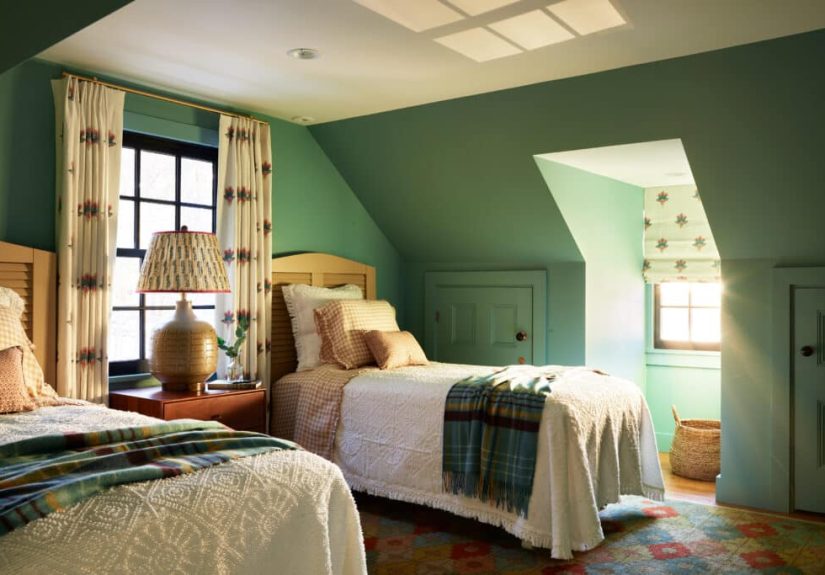
Use a roller shade, Roman shade, or cellular shade for privacy and light control, then add curtains for softness
and color. Layering window treatments gives you “day mode” (shade up, curtains open) and “movie night mode”
(shade down, curtains closed).Best for: open-plan homes where you want flexible light control.
-
Sheer Linen Curtains for Soft, Flattering Light
Sheers diffuse sunlight, reduce harsh glare, and make rooms feel airy. Linen and cotton blends are especially popular
for that relaxed, organic look and gentle texture.Best for: living rooms, kitchens (away from direct splatter), and spaces with great views.
-
Blackout Curtains (or Blackout Linings) for Real Sleep
If you’re dealing with streetlights, early sun, or shift-work schedules, blackout drapery can be life-changing.
Prefer a prettier face fabric? Add blackout lining to standard panels so you get the style you want with the darkness you need.Best for: bedrooms, nurseries, media rooms.
-
Roman Shades for Pattern and Personality
Roman shades are fabric-based, so they’re a great way to bring in pattern without committing to wallpaper.
They read “tailored” but still feel warm. They also work beautifully in kitchens when you want fabric without floor-length panels.Best for: kitchens, breakfast nooks, home offices.
-
Relaxed Roman Shades for a Casual, Coastal Vibe
Unlike structured Romans, relaxed Roman shades have a soft curve at the bottom. They’re subtle, charming, and slightly “I summer in a place with sea breezes.”
Choose linen-like fabrics for a calm, lived-in look.Best for: bedrooms, reading corners, guest rooms.
-
Cellular (Honeycomb) Shades for Comfort and Energy Efficiency
Cellular shades trap air in their honeycomb structure, improving insulation. If you want a practical window covering that can help with comfort in both
heating and cooling seasons, this is a top contender.Best for: bedrooms, drafty rooms, home offices, nurseries.
-
Roller Shades for a Clean, Modern Line
Roller shades are minimal, easy to operate, and disappear visually when raised. Choose light-filtering for daytime privacy or room-darkening for bedrooms.
They’re also great when your décor is doing enough already (bold art, colorful walls, statement furniture).Best for: modern spaces, small rooms, rentals.
-
Solar Shades to Cut Glare Without Killing the View
Solar shades are designed for glare control and UV filtering while preserving visibility. They’re a smart pick for sun-blasted living rooms and
home offices where screens are involved (because nobody needs “laptop mirror mode”).Best for: offices, living rooms with big windows, sunny condos.
-
Woven Wood (Matchstick) Shades for Warm Texture
Woven wood shades add organic texture and natural warmth. They’re especially popular when paired with drapery panels for a layered, designer look.
Best for: boho, coastal, farmhouse, or “I like texture” interiors.
-
Plantation Shutters for Timeless Structure
Shutters bring architectural presence and crisp lines. They work well in rooms where you want privacy and light control without fabric,
and they suit a wide range of styles (traditional to modern farmhouse).Best for: bathrooms, front-facing rooms, homes with classic trim.
-
Faux Wood Blinds for Humid Rooms and Busy Households
Faux wood blinds offer the slatted look people love, while handling moisture and daily wear better than many real-wood options.
They’re also easy to wipe down a true love language in kitchens and bathrooms.Best for: kitchens, bathrooms, kids’ rooms.
-
Vertical Blinds or Panel Tracks for Sliding Glass Doors
Sliders need treatments that move sideways. Modern vertical options include sleek fabric panels and contemporary slats that feel more updated than the old-school office look.
Prioritize smooth operation and durability these doors get used constantly.Best for: patios, balconies, large openings.
-
Café Curtains for Charm and Privacy
Café curtains cover the lower half of the window, letting light in from the top while giving privacy where you need it.
They’re perfect for kitchens and bathrooms where you want softness without committing to full-length panels.Best for: kitchens, breakfast nooks, street-facing windows.
-
Ceiling-Mounted Curtain Tracks for a Boutique-Hotel Look
Tracks give you a clean line, easy glide, and a tall, dramatic drape. This approach is especially helpful for oddly placed windows,
wide expanses, or when you want curtains to feel like a wall treatment (because drama is sometimes the point).Best for: modern interiors, floor-to-ceiling windows, open plans.
-
Ripplefold Drapes for Sleek, Even Waves
Ripplefold drapery creates consistent, modern folds and looks custom even in solid fabrics. It’s a great choice if you want a streamlined style
that still feels soft and substantial.Best for: contemporary living rooms and primary bedrooms.
-
Pinch-Pleat Drapes for Classic, Tailored Elegance
Pinch pleats bring structure, fullness, and a traditional finish that works beautifully in formal spaces. If you’re aiming for “grown-up home,”
this is a shortcut. Choose quality hardware and you’ll never look back.Best for: dining rooms, living rooms, traditional homes.
-
Color-Block or Trimmed Curtains for a Designer Touch
Adding a contrasting band, border, or trim to curtains can make even affordable panels look custom.
It’s also a clever way to tie in accent colors from rugs, pillows, or artwork without going full “matchy-matchy.”Best for: bedrooms, kids’ rooms, eclectic spaces.
-
Valances or Cornices to Hide Hardware (and Add Polish)
Valances soften the top of a window; cornices add a more structured, architectural frame. Use them to conceal shade mechanisms,
add pattern, or give a room a finished look especially helpful in older homes or traditional interiors.Best for: dining rooms, formal living rooms, kids’ rooms.
-
Motorized or Smart Shades for “Effortless” Living
Motorized shades are practical for tall windows, hard-to-reach spots, and anyone who wants schedules (open in the morning, close at sunset).
It’s convenience, but also consistency and consistent light management makes a space feel calmer.Best for: double-height rooms, skylights, busy households.
-
Window Film for Daytime Privacy and UV Filtering
Not every window treatment has to be fabric or slats. Decorative or frosted window film can add privacy while still letting in light,
making it a smart option for bathrooms, sidelights, and rentals where drilling isn’t ideal. Consider it the “no-rod-needed” solution.Best for: bathrooms, entry windows, rentals, glass doors.
Room-by-Room Quick Picks
- Bedroom: blackout curtains or blackout-lined drapes; cellular shades for comfort; layered sheers for daytime softness.
- Kitchen: Roman shades or café curtains; faux wood blinds for easy wipe-down; avoid long panels near grease and splatter zones.
- Bathroom: shutters, faux wood blinds, or window film; prioritize moisture resistance and privacy.
- Living room: layered treatments (shade + drapery), sheers for glow, ripplefold for a modern wave.
- Sliding door: panel tracks or vertical solutions built for sideways movement.
Common Mistakes (That Are Easy to Fix)
Buying curtains that are too short or too skimpy
Under-sized panels can make a room feel unfinished. Many designers recommend enough width for fullness (often more than one panel per side),
and lengths that either “kiss” the floor or float just above it for a clean look.
Mounting the rod too low
Low rods visually shrink windows. Hanging higher is one of the easiest ways to make the room look taller and more intentional.
Ignoring the difference between blinds and shades
Blinds are typically slatted (tilt to adjust light). Shades are typically a single piece of material (raise/lower for coverage).
Knowing the difference helps you match the right window covering to the right room and lifestyle.
Conclusion: The Best Window Treatment Is the One You’ll Actually Use
The “perfect” window treatment ideas are the ones that fit your daily life: privacy when you need it, light when you want it,
and a look that makes the room feel finished. Start with function, choose a style direction, and remember you can always layer:
a great shade plus great curtains is one of the most forgiving, flexible design combos around.
Real-World Experiences: What People Learn After Living With Window Treatments (500+ Words)
Let’s talk about the part design mood boards don’t show: the day-to-day reality of window coverings. In real homes, window treatments
aren’t just pretty they’re touched, pulled, adjusted, splashed, bumped by furniture, and occasionally yanked by a pet who swears the mail carrier
is an international spy. Here are a few common “experience-based” lessons homeowners and renters often share after they’ve actually lived with their choices.
1) The easiest-to-use treatment becomes the favorite (even if it wasn’t the fanciest)
People routinely discover that convenience wins. A sleek roller shade or cordless cellular shade gets used daily because it’s quick and predictable.
Meanwhile, the gorgeous-but-fussy curtain setup that requires arranging rings and tiebacks like a tiny stage production? It may look incredible…
but it might not be the first thing you reach for on a busy morning. If you want the “designer look” without the daily hassle, layering is a smart compromise:
keep the shade as the workhorse and let the curtains do the styling.
2) “I didn’t realize how much glare I had” is a very common sentence
Many people don’t notice glare until they work from home, upgrade a TV, or put a glossy-screen laptop near a bright window. That’s when solar shades,
light-filtering rollers, or sheers become heroes. A typical experience: the living room is gorgeous at 10 a.m. and unlivable at 3 p.m. in summer.
The fix is often simpler than expected adding a light-filtering layer reduces glare dramatically without turning the space into a cave.
3) Kitchens and bathrooms are “material honesty” zones
In these rooms, fabric gets tested. Steam, splatter, and humidity don’t care about your aesthetic goals. People who choose wipeable materials
(faux wood blinds, shutters, certain shades, or window film) often feel relieved because maintenance stays realistic. Those who choose delicate,
floor-length panels near a busy sink? They sometimes end up laundering curtains more than they planned or quietly pushing panels aside and hoping guests
won’t notice the sauce splash “accent.”
4) Hanging curtains higher really does change how a room feels
This tip sounds like design folklore until you try it. A lot of homeowners describe the “after” as surprisingly dramatic: ceilings feel taller, windows feel grander,
and the room feels more intentional. It’s one of those rare changes that can make a space look more expensive without changing furniture.
The experience-based takeaway: if you’re only going to do one “designer trick,” do the high-and-wide curtain placement (and use enough panel width so the drapes look full).
5) Bedrooms are where people become blackout believers
Plenty of folks start with light-filtering curtains thinking, “This is fine.” Then they live through early sunrise, a neighbor’s porch light,
or a new baby’s nap schedule and suddenly blackout lining feels like a superpower. The practical lesson: you don’t have to choose heavy blackout drapes
if you don’t like the look. Many people end up happiest with attractive drapery plus blackout liners, or a blackout shade paired with soft curtains for style.
6) The “best” choice can be different in each room, and that’s normal
Real homes rarely succeed with one treatment everywhere. What works in a sunny home office might be annoying in a bedroom. What looks airy in the living room
might feel too exposed at street level. A very common, very realistic strategy is to mix treatments across the home while keeping a consistent color palette
or material family (for example: white rollers throughout, plus curtains only in the living room and bedrooms). That way the house feels cohesive
without forcing one solution onto every window.
Bottom line: the most successful window treatments aren’t just Instagram-pretty they’re aligned with your light, privacy needs, cleaning tolerance,
and how you actually move through your day. If you design for real life first, the style part becomes easier (and a lot more fun).