Table of Contents >> Show >> Hide
- How to Choose Sweet Snacks When You Have Diabetes
- 12 Sweet Snacks and Treats for People with Diabetes
- 1. Greek Yogurt Berry Parfait
- 2. Apple Slices with Peanut Butter and Cinnamon
- 3. Cottage Cheese with Peaches or Berries
- 4. Chia Seed Pudding
- 5. Dark Chocolate-Covered Strawberries
- 6. Frozen Yogurt Bark
- 7. Warm Cinnamon Oatmeal Cup
- 8. Baked Cinnamon Pears
- 9. Banana “Nice Cream” in a Small Portion
- 10. No-Added-Sugar Pudding with Nuts
- 11. Almond-Stuffed Dates
- 12. Mini Trail Mix with Cocoa Nibs
- Smart Sweet Snack Tips for Better Blood Sugar Balance
- Experience Notes: What Actually Works in Real Life
- Conclusion
Note: This article is for general educational purposes and is not a substitute for medical advice. People with diabetes may have different carbohydrate goals, medication plans, and blood sugar responses, so personalized guidance from a doctor, registered dietitian, or diabetes care team always wins the snack debate.
Having diabetes does not mean dessert has packed its tiny suitcase and moved to another zip code. It simply means sweet snacks need a better strategy than “open package, hope for the best.” The best sweet snacks for people with diabetes usually combine sensible portions, fiber-rich carbohydrates, protein, and healthy fats. That combination can help slow digestion, improve satisfaction, and make a treat feel like an actual snack instead of a sugar-powered disappearing act.
The main idea is not to chase “perfect” food. It is to choose sweet treats that fit into a balanced diabetes eating plan. Whole fruit, Greek yogurt, nuts, chia seeds, oats, cottage cheese, dark chocolate, and no-added-sugar options can all play a role. The key is checking total carbohydrates, watching added sugars, and learning how your own blood glucose responds. Because yes, two people can eat the same apple and peanut butter and get different numbers. Bodies are dramatic like that.
How to Choose Sweet Snacks When You Have Diabetes
Before we dive into the snack parade, here are a few practical rules that make sweet treats easier to manage.
Start with total carbohydrates
For diabetes meal planning, total carbohydrates matter because carbohydrates raise blood glucose more directly than protein or fat. Look at the Nutrition Facts label, especially total carbohydrates, fiber, total sugars, and added sugars. A snack that looks “healthy” on the front of the package may be auditioning for a candy commercial on the back.
Add protein, fiber, or healthy fat
Pairing carbohydrates with protein, fiber, or fat can make a snack more filling and may help reduce a fast blood sugar rise. Examples include berries with Greek yogurt, apple slices with peanut butter, or a small square of dark chocolate with almonds.
Keep portions friendly
A diabetes-friendly sweet snack is not always a giant bowl wearing a halo. Portion size matters. Pre-portion snacks instead of eating straight from the bag, jar, box, tub, or mysterious container in the back of the fridge.
Choose naturally sweet foods more often
Whole fruits, unsweetened dairy, nuts, seeds, and oats provide nutrients along with sweetness. They are not “free foods,” but they bring more to the table than refined sweets that offer lots of added sugar and very little staying power.
12 Sweet Snacks and Treats for People with Diabetes
1. Greek Yogurt Berry Parfait
A Greek yogurt berry parfait is one of the easiest sweet snacks for people with diabetes because it tastes like dessert but behaves more like a balanced snack. Start with plain, unsweetened Greek yogurt, then add strawberries, blueberries, raspberries, or blackberries. Finish with a sprinkle of cinnamon or a tablespoon of chopped nuts.
Greek yogurt provides protein, while berries add fiber, color, and natural sweetness. The result is creamy, bright, and satisfying without needing a syrup waterfall. If plain yogurt tastes too tangy at first, stir in vanilla extract or a small amount of a low-calorie sweetener approved by your care team.
Try this: Layer 3/4 cup plain Greek yogurt with 1/2 cup mixed berries and 1 tablespoon chopped walnuts. It looks fancy enough for brunch but takes less time than finding matching socks.
2. Apple Slices with Peanut Butter and Cinnamon
Apples and peanut butter are a classic for a reason: sweet, crunchy, creamy, and reliable. Apples contain fiber and natural sugars, while peanut butter adds fat and protein. Together, they create a snack that feels like a treat without turning into a frosting-based life decision.
Choose natural peanut butter with no added sugar when possible, and measure the portion. Peanut butter is nutritious, but it is also very good at pretending one spoonful is actually six. Add cinnamon for extra dessert energy without adding sugar.
Try this: Slice half a medium apple and spread it with 1 tablespoon peanut butter. Dust with cinnamon. For extra crunch, add a few crushed peanuts on top.
3. Cottage Cheese with Peaches or Berries
Cottage cheese is having a comeback, and frankly, it brought snacks. Its mild flavor and high protein content make it a smart base for sweet treats. Add sliced peaches, berries, kiwi, or a few pineapple chunks for a dessert-like bowl.
Choose fruit packed in water or its own juice if using canned fruit, and avoid heavy syrup. For people watching sodium, low-sodium cottage cheese may be worth considering. The sweet fruit plus creamy cottage cheese combo is simple, filling, and surprisingly satisfying.
Try this: Mix 1/2 cup cottage cheese with 1/2 cup sliced strawberries and a dash of vanilla extract. Add cinnamon if you want it to taste like cheesecake’s responsible cousin.
4. Chia Seed Pudding
Chia seed pudding is what happens when tiny seeds decide to become dessert. When soaked in milk or an unsweetened milk alternative, chia seeds form a pudding-like texture. They also provide fiber, which helps make this snack more filling.
Use unsweetened almond milk, soy milk, or dairy milk depending on your plan and preference. Flavor it with cocoa powder, cinnamon, vanilla extract, or mashed berries. Keep sweeteners modest, and remember that toppings count too.
Try this: Stir 2 tablespoons chia seeds into 1/2 cup unsweetened milk, add vanilla and cinnamon, then refrigerate for a few hours. Top with a few berries before eating.
5. Dark Chocolate-Covered Strawberries
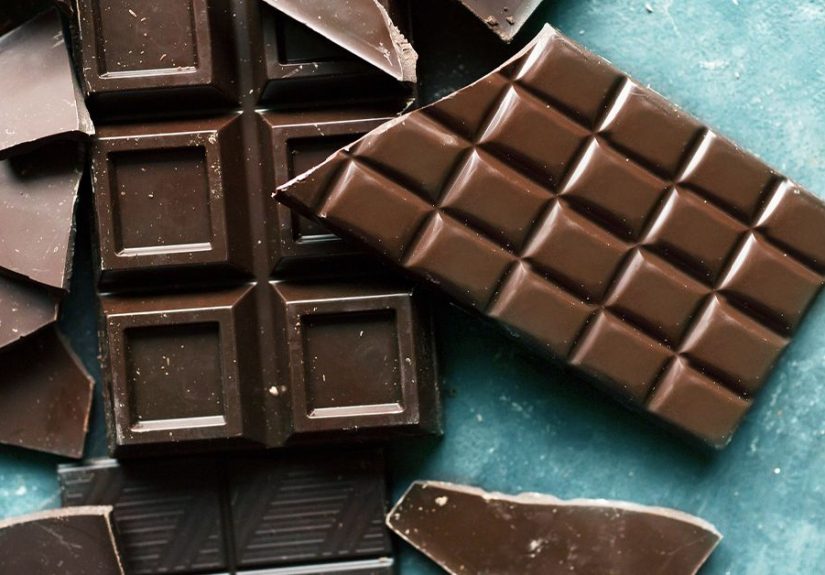
Chocolate is not automatically forbidden in a diabetes-friendly eating plan. The trick is choosing a small portion and pairing it with something nutrient-rich. Strawberries dipped in dark chocolate feel elegant, taste indulgent, and do not require a culinary degree.
Dark chocolate with a higher cocoa percentage often has a stronger flavor, so a small amount can feel satisfying. Check the label for added sugar and total carbohydrates. Melt a small amount, dip the berries, and chill them until set.
Try this: Dip 4 to 5 strawberries halfway into melted dark chocolate. Sprinkle with chopped pistachios if you want a snack that looks like it came from a tiny dessert boutique.
6. Frozen Yogurt Bark
Frozen yogurt bark is a freezer snack that tastes like ice cream’s organized friend. Spread plain Greek yogurt on a parchment-lined tray, add berries, chopped nuts, and a little cinnamon, then freeze. Break it into pieces and store in a freezer-safe container.
This treat is flexible, cold, creamy, and fun to eat. The protein from Greek yogurt helps make it more satisfying than many frozen sweets. Just be careful with toppings like granola, chocolate chips, or dried fruit, which can add carbohydrates quickly.
Try this: Spread 1 cup plain Greek yogurt, top with 1/2 cup berries and 2 tablespoons chopped almonds, freeze, and break into small pieces.
7. Warm Cinnamon Oatmeal Cup
Oatmeal is not just breakfast. A small warm oatmeal cup can make a cozy sweet snack, especially when flavored with cinnamon, vanilla, and a few berries. Oats provide fiber and complex carbohydrates, which can make them more satisfying than many refined snack foods.
Choose plain oats instead of flavored instant packets, which often contain added sugars. Keep portions moderate and add protein or fat, such as nuts, Greek yogurt, or a spoonful of nut butter.
Try this: Cook 1/3 cup dry oats with water or milk, then stir in cinnamon and 1 tablespoon chopped walnuts. Add a few blueberries on top for natural sweetness.
8. Baked Cinnamon Pears
Baked fruit can taste like dessert even when it is made with simple ingredients. Pears become soft and naturally sweet in the oven, especially with cinnamon, nutmeg, and a sprinkle of chopped nuts.
Skip the brown sugar blanket. The fruit already brings sweetness, and spices make it feel warm and bakery-like. Pair baked pear with plain Greek yogurt or cottage cheese to add protein and balance.
Try this: Bake half a pear with cinnamon and a teaspoon of chopped pecans until tender. Serve with a spoonful of plain Greek yogurt.
9. Banana “Nice Cream” in a Small Portion
Banana nice cream is made by blending frozen banana until it turns creamy. It is naturally sweet, easy to flavor, and far more refreshing than arguing with an ice cream carton at midnight. However, bananas contain carbohydrates, so portion size matters.
Use half a small frozen banana and blend it with a splash of unsweetened milk. Add cocoa powder, peanut butter powder, cinnamon, or vanilla extract. To make it more balanced, top with a few nuts or pair it with Greek yogurt.
Try this: Blend half a frozen banana with 1 tablespoon cocoa powder and a splash of unsweetened almond milk. Serve in a small bowl, not a soup bucket.
10. No-Added-Sugar Pudding with Nuts
No-added-sugar pudding can be a convenient sweet snack, especially for people who want something creamy and quick. Look for options with reasonable carbohydrates and ingredients that fit your needs. Then improve the staying power by adding chopped nuts or pairing it with berries.
Packaged “sugar-free” foods can still contain carbohydrates or sugar alcohols, which may bother some stomachs. Read the label, start with a small portion, and see how your body responds.
Try this: Serve a small cup of no-added-sugar chocolate pudding with 1 tablespoon chopped almonds and a few raspberries.
11. Almond-Stuffed Dates
Dates are very sweet, so this snack is best in a small portion. One date stuffed with an almond or a little nut butter can satisfy a caramel-like craving without needing a whole dessert tray. It is chewy, rich, and surprisingly powerful.
Because dates are concentrated in natural sugars, check how they fit your carbohydrate target. This is not the snack to eat by the handful while watching a movie, unless the movie is called “Regret: The Sequel.”
Try this: Slice one Medjool date in half, remove the pit, and stuff it with 1 teaspoon almond butter or one whole almond. Sprinkle with cinnamon.
12. Mini Trail Mix with Cocoa Nibs
Trail mix can be a diabetes-friendly snack or a sugar ambush wearing hiking boots. The difference is what goes into it. Choose nuts, seeds, a few cocoa nibs, and perhaps a small amount of unsweetened coconut. Go easy on dried fruit and chocolate candies.
Nuts and seeds provide healthy fats, protein, and crunch. Cocoa nibs add a chocolate-like flavor without the same sweetness as candy. Measure your serving because nuts are calorie-dense and trail mix has a magical ability to vanish.
Try this: Combine 2 tablespoons almonds, 1 tablespoon pumpkin seeds, 1 teaspoon cocoa nibs, and a pinch of cinnamon.
Smart Sweet Snack Tips for Better Blood Sugar Balance
Read the label like a snack detective
Look beyond front-package claims such as “natural,” “keto,” “low sugar,” or “made with real fruit.” The Nutrition Facts label tells the better story. Pay attention to serving size, total carbohydrates, fiber, added sugars, and saturated fat.
Do not fear fruit
Whole fruit can fit into a diabetes-friendly eating plan. The best choices are typically fresh, frozen, or canned fruit without added sugars. Fruit juice, however, is easier to overconsume and lacks the fiber found in whole fruit.
Make snacks boringly convenient
The best snack plan is the one that works when life gets busy. Wash berries ahead of time. Portion nuts into small containers. Keep plain Greek yogurt in the fridge. Freeze yogurt bark. A little preparation can save you from emergency vending-machine negotiations.
Check your own response
Blood sugar response can vary based on medication, activity, stress, sleep, timing, and the rest of the meal. If you monitor glucose, use your results to learn which snacks work best for you. Your meter or continuous glucose monitor may reveal that one snack is a hero and another is just wearing a cape.
Experience Notes: What Actually Works in Real Life
In real kitchens, sweet snacks for people with diabetes work best when they are simple enough to repeat. A beautiful recipe with seventeen ingredients may look amazing online, but on a Tuesday afternoon, most people want something they can assemble before their patience files a complaint. That is why the best diabetes-friendly sweet treats often start with everyday foods: yogurt, fruit, nuts, seeds, oats, cottage cheese, and dark chocolate.
One useful experience is to build a “sweet snack formula” instead of memorizing recipes. Choose one naturally sweet ingredient, one protein or healthy fat, and one flavor booster. For example, berries plus Greek yogurt plus cinnamon. Apple plus peanut butter plus vanilla. Pear plus cottage cheese plus nutmeg. This method keeps snacks flexible and prevents food boredom, which is important because nobody wants to eat the same sad snack forever.
Another practical lesson is that texture matters. Many people crave sweets not only because of sugar, but because they want creamy, crunchy, cold, warm, chewy, or chocolatey. Frozen yogurt bark helps with the cold-and-creamy craving. Apple slices with peanut butter solve crunchy-and-creamy. Chia pudding handles spoonable dessert cravings. A small dark chocolate strawberry gives that “fancy treat” feeling without needing a full slice of cake.
Portioning also makes a huge difference. A snack can be perfectly reasonable in the right amount and not-so-reasonable when eaten from a giant container. Pre-portioning nuts, trail mix, yogurt bark, or pudding can reduce guesswork. It also helps avoid the classic snack mystery where a person says, “I only had a little,” and the empty bag says, “Let’s discuss your definition of little.”
Many people also find that timing changes everything. A sweet snack after a balanced meal may affect blood sugar differently than the same snack eaten alone when very hungry. Pairing a treat with protein or fat can make it more satisfying. Having a planned snack can also prevent feeling overly hungry later, which is when less helpful choices tend to look like they deserve a standing ovation.
Finally, the most sustainable approach is not perfection. It is curiosity. Try a snack, notice how you feel, check your glucose if that is part of your care plan, and adjust. Maybe berries and yogurt work beautifully. Maybe dates are better saved for rare moments. Maybe oatmeal is great after a walk but not right before bed. Diabetes-friendly eating is personal, and the best snack list is the one that respects your numbers, your preferences, and your actual life.
Conclusion
Sweet snacks and treats for people with diabetes can absolutely be part of a balanced eating plan. The secret is choosing foods that bring more than sweetness: fiber, protein, healthy fats, vitamins, minerals, and satisfaction. Greek yogurt parfaits, apple slices with peanut butter, chia pudding, baked pears, dark chocolate strawberries, and mini trail mix are all examples of treats that can feel fun without ignoring blood sugar goals.
Instead of thinking, “I can never have sweets,” try thinking, “How can I build a better sweet snack?” That small shift turns diabetes-friendly eating from a punishment into a practical skill. And frankly, any plan that includes chocolate-dipped strawberries deserves a little applause.