Table of Contents >> Show >> Hide
- First, a quick reality check: triggers aren’t the “cause”
- The 12 most common psoriasis triggers to avoid (or reduce)
- 1) Stress (aka “my skin knows my inbox password”)
- 2) Infectionsespecially strep throat and respiratory bugs
- 3) Skin injury and irritation (Koebner phenomenon)
- 4) Sunburn (yes, sunshine can helpuntil it doesn’t)
- 5) Cold, dry weather and low humidity
- 6) Dry indoor air and long, hot showers
- 7) Alcohol (especially frequent or heavy drinking)
- 8) Smoking and nicotine (including vaping)
- 9) Certain medications that can worsen psoriasis
- 10) Excess weight and rapid weight gain
- 11) Ultra-processed, high-sugar, high-glycemic foods
- 12) Saturated and trans fatsand (for some) gluten
- How to identify your personal triggers (without becoming a detective full-time)
- What to do when avoiding triggers isn’t enough
- Experiences people often share (the “I thought it was just me” section) about
- Conclusion
Psoriasis has a special talent: it can be calm for weeks, then suddenly throw a flare like it’s auditioning for a reality TV reunion episode.
While psoriasis isn’t “your fault” (it’s an immune-mediated condition with genetics in the background), everyday triggers can absolutely nudge your
immune system into overdrive and make plaques angrier, itchier, and more stubborn.
The good news: many common psoriasis triggers are predictableand some are avoidable. This guide breaks down 12 frequent flare-up triggers,
with practical ways to sidestep them (without living inside a bubble wrap suit). You’ll also learn how to spot your personal patterns,
because psoriasis triggers aren’t one-size-fits-all.
First, a quick reality check: triggers aren’t the “cause”
Psoriasis happens when the immune system sends inflammatory signals that speed up skin cell turnover. Triggers are the things that can
start symptoms in someone predisposed or worsen existing psoriasiskind of like pouring fuel on a campfire that’s
already smoldering.
If you’re thinking, “Okay, so what do I avoid?”start with the basics, track what happens, and focus on the triggers you can realistically control.
A flare diary (even a notes app entry) can help connect the dots: date, stress level, sleep, weather, foods/alcohol, illness, skin injury, and new meds.
The 12 most common psoriasis triggers to avoid (or reduce)
1) Stress (aka “my skin knows my inbox password”)
Stress is one of the most reported psoriasis triggers. When stress ramps up, your body releases hormones and inflammatory messengers that can
aggravate psoriasis symptoms. And then psoriasis itself is stressful… which is rude. That feedback loop is real.
Try this: pick one stress “off-ramp” you can actually maintain. Examples: a 10-minute walk after lunch, guided breathing before bed,
therapy/coaching, journaling, or short mindfulness sessions. Consistency beats perfection.
2) Infectionsespecially strep throat and respiratory bugs
When your immune system fights an infection, inflammation risesand psoriasis can flare alongside it. Strep throat is a classic example and is
linked to guttate psoriasis (small drop-like spots), but many infections can trigger worsening symptoms.
Try this: treat infections promptly, don’t ignore a sore throat that’s getting worse, and keep up with preventive habits
(handwashing, sleep, hydration). If you notice a pattern of flares after infections, tell your clinicianespecially if it’s frequent.
3) Skin injury and irritation (Koebner phenomenon)
Psoriasis can appear where your skin is traumatizedthink cuts, scrapes, bug bites, friction, shaving nicks, or even tattoos and piercings.
This is often called the Koebner phenomenon: new plaques popping up along the “injury line.”
Try this: be extra gentle with your skin. Use a sharp razor and shaving gel, treat cuts quickly, avoid picking, and consider
delaying tattoos/piercings if you flare easily. Even minor trauma can matter.
4) Sunburn (yes, sunshine can helpuntil it doesn’t)
Controlled UV exposure can help some people with psoriasis, which is why phototherapy exists. But sunburn is a different story: it’s an injury,
and it can trigger a flare. If your “sun strategy” is “get crispy and hope for the best,” psoriasis will usually vote “no.”
Try this: use sunscreen, avoid peak burn hours, and think “slow and steady” if sunlight tends to improve your plaques.
If you’re on photosensitizing medications, be even more careful.
5) Cold, dry weather and low humidity
Winter can be a flare factory: cold air holds less moisture, indoor heating dries skin out, and dryness can worsen itching and scaling.
Many people notice plaques getting more active in colder months.
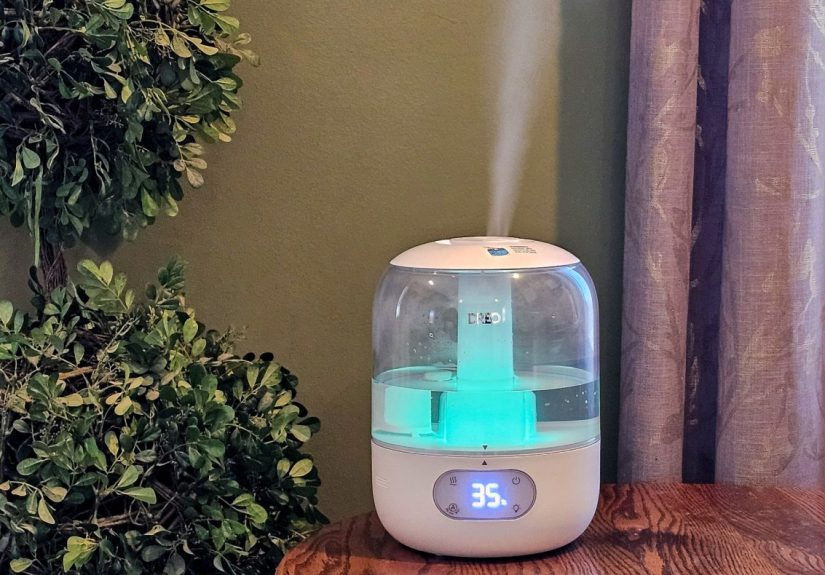
Try this: moisturize like it’s your part-time job. Apply thick, fragrance-free moisturizer right after bathing. Consider a humidifier
in the bedroom. Wear soft layers to reduce friction and scratching.
6) Dry indoor air and long, hot showers
Even in warm climates, air conditioning can dry the skin. And hot showers feel amazinguntil they strip oils and leave your skin tighter than a
new pair of jeans after Thanksgiving. Dry, irritated skin can make flare-ups more likely and more uncomfortable.
Try this: shorten showers, use lukewarm water, choose gentle cleansers, pat dry (don’t scrub), then moisturize immediately.
If AC is unavoidable, add a midday moisturizer “top-off.”
7) Alcohol (especially frequent or heavy drinking)
Alcohol is a common flare trigger for many people and can interfere with psoriasis management. Heavy or frequent drinking is also linked to
worse outcomes overall, and it may reduce how well some treatments work. Plus, alcohol can complicate certain medication safety.
Try this: if you notice a pattern, reduce frequency and quantity, switch to lower-alcohol options, or take a break entirely and
track your skin. If you take systemic medications, ask your prescriber about alcohol safety.
8) Smoking and nicotine (including vaping)
Smoking is associated with increased psoriasis risk and severity, and it can make treatment less effective. Nicotine and smoke exposure can
promote inflammation and impair skin healingexactly what psoriasis doesn’t need.
Try this: if quitting feels huge, start with harm reduction: reduce daily use, avoid triggers, and ask about evidence-based supports
(nicotine replacement, counseling, or medications). Your skinand your heartwill appreciate it.
9) Certain medications that can worsen psoriasis
Some medications are known to trigger or worsen psoriasis in susceptible people. Common examples discussed in clinical references include:
lithium, certain beta-blockers, some ACE inhibitors, antimalarial drugs, and
NSAIDs for some individuals.
Try this: never stop a prescribed medication on your own. Instead, tell your clinician you have psoriasis and ask whether an alternative
is appropriate. If a new medication lines up with a new flare, that timing is worth discussing.
10) Excess weight and rapid weight gain
Psoriasis is linked with metabolic health, and obesity is associated with more severe disease in many studies. Fat tissue isn’t just “stored energy”;
it can be metabolically active and promote inflammatory signaling, which may worsen psoriasis and make management harder.
Try this: focus on sustainable changes: regular movement, strength training, and realistic nutrition upgrades. Even modest weight loss
can improve inflammation markers and may help some people see fewer or milder flares.
11) Ultra-processed, high-sugar, high-glycemic foods
There’s no single “psoriasis diet,” but many people notice flares after certain eating patternsespecially diets heavy in ultra-processed foods,
sugary drinks, pastries, and refined carbs. These foods can promote systemic inflammation and often contribute to weight gain and metabolic stress.
Try this: run a 2–4 week experiment: reduce soda/juice, candy, chips, fast food, and highly processed snacks. Replace with
fiber-rich options (vegetables, beans, fruit, whole grains) and protein that keeps blood sugar steadier.
If your skin improves, you’ve learned something usefulwithout declaring war on every carbohydrate on Earth.
12) Saturated and trans fatsand (for some) gluten
Diet patterns higher in saturated fats and trans fats (think fried foods, processed meats, and many packaged snacks) can be pro-inflammatory.
Some people with psoriasis also report symptom improvement when reducing red/processed meats and choosing more anti-inflammatory fats
(like those found in fish, nuts, seeds, and olive oil).
Gluten deserves a special note: a gluten-free diet may help some people with psoriasisparticularly those with celiac disease
or positive celiac-related antibodiesbut it’s not a universal rule. Going gluten-free “just because” can be unnecessary and stressful,
and stress is already on this list.
Try this: consider a Mediterranean-style pattern (more plants, fish, olive oil; fewer ultra-processed foods) and track symptoms.
If you suspect gluten sensitivity, ask about proper testing before eliminating gluten long-term.
How to identify your personal triggers (without becoming a detective full-time)
Triggers often stack. A flare may come from stress + poor sleep + winter dryness more than any single factor. To make this manageable:
- Pick one change at a time for 2–4 weeks (e.g., alcohol reduction or daily moisturizing).
- Track flare timing: new plaques may appear days to weeks after a trigger, especially after skin trauma.
- Note the “big four”: stress, illness, skin injury, and weather.
- Bring patterns to your dermatologist: it can guide treatment choices and prevention strategies.
What to do when avoiding triggers isn’t enough
Sometimes you can do everything “right” and psoriasis still flaresbecause it’s a medical condition, not a moral test. If flare-ups are frequent,
painful, widespread, or affecting sleep and mental health, talk with a dermatologist. Treatments range from topical therapies and phototherapy
to oral medications and biologics that target specific immune pathways.
Experiences people often share (the “I thought it was just me” section) about
If you’ve ever stared at a new patch of psoriasis and thought, “What did I do wrong?” you’re in very good company. One of the most common
experiences people describe is how unpredictable psoriasis can feeluntil they start noticing patterns.
A frequent story goes like this: someone’s skin is mostly stable, then work stress spikes for a few weeks. Sleep gets shorter, meals get more
“grab-and-go,” and water intake becomes “whatever’s in the coffee.” Thensurpriseplaques show up or intensify. When life calms down, the
flare gradually quiets. The lesson many people take away isn’t that stress is “bad” (stress is part of being alive), but that stress needs a
pressure valve. Even small routinesten minutes of walking, a consistent bedtime, a short stretch sessioncan make flares less frequent.
Another common experience is the “injury betrayal.” People get a harmless scratch, a bug bite, or a sunburn on vacation and later notice a new
psoriasis patch exactly where the skin got irritated. It feels unfair because it is unfair. That’s why many people become quietly dedicated
to sunscreen, protective clothing, and gentle wound care. Not glamorous, but effective.
Food experiences are often the most emotionally loaded. Many people try cutting a long list of foods overnight, get overwhelmed, and then
understandably quit the whole plan (and blame themselves). The people who seem to get the best information from diet changes usually do
something simpler: they run a short, specific experiment. For example, “No sugary drinks and fewer ultra-processed snacks for three weeks,”
or “Alcohol only once this week instead of three times.” That approach is less punishing and more scientific. If skin improves, greatyou found
a lever. If it doesn’t, you didn’t waste months of joy trying to live on air and kale.
Social events come up a lot, too. People notice that alcohol is a double whammy: it can trigger flares and it often brings late nights, salty
snacks, and disrupted sleep. Some find success with “alternating drinks” (one alcoholic drink followed by water), choosing lower-alcohol options,
or planning a non-alcoholic default they actually like (sparkling water with citrus, mocktails, iced tea). The goal isn’t perfection; it’s reducing
the probability of a flare.
Finally, many people describe the relief of dropping the idea that triggers must be avoided forever. Instead, they think in seasons:
“In winter, my priority is moisture and humidifiers.” “During busy work months, my priority is sleep and stress breaks.” That mindset turns psoriasis
management from a constant restriction into a flexible strategyand it’s often more sustainable.
Conclusion
Avoiding psoriasis triggers won’t “cure” psoriasis, but it can reduce flare frequency and intensityespecially when paired with the right medical plan.
Start with the most common culprits (stress, illness, skin injury, alcohol, smoking, and dry weather), then experiment with lifestyle tweaks like
moisturizing consistently and reducing ultra-processed foods. Over time, you’ll build a personalized playbook that makes flare-ups less disruptive.
If your symptoms are persistent or severe, don’t tough it out alone. A dermatologist can help you tailor treatment, protect your skin barrier,
and address triggers in a way that fits real life (not just a perfect spreadsheet version of it).