Table of Contents >> Show >> Hide
- Quick cheat sheet: cream pie vs. custard pie
- Pie-pro moves that make every creamy pie better
- 12 dreamy cream and custard pie recipes worth clearing fridge space for
- 1) Classic Vanilla Cream Pie (the blank canvas you’ll never get bored of)
- 2) Chocolate Cream Pie (pudding’s glow-up)
- 3) Coconut Cream Pie (toasted paradise in a slice)
- 4) Banana Cream Pie (the classic that never stops being fun)
- 5) Butterscotch Pie (brown sugar’s main-character moment)
- 6) Key Lime Pie (tangy, creamy, and basically sunshine)
- 7) Lemon Custard Pie (bright, silky, and not afraid of flavor)
- 8) Crème Brûlée Pie (shatter-top drama in the best way)
- 9) Old-Fashioned Egg Custard Pie (simple ingredients, big comfort)
- 10) Southern Chess Pie (sweet, tangy, and proudly old-school)
- 11) Pumpkin Custard Pie (the classic that deserves year-round status)
- 12) Peanut Butter Cream Pie (no-bake energy, serious payoff)
- Make-ahead, storage, and serving tricks
- FAQ: Cream and custard pie questions you’ll ask at 11 p.m.
- Kitchen stories & “repeat bake” lessons (about )
If happiness had a zip code, it would be “pie cooling on the counter.” And if pie had a love language, it would be cream and custard: lush, velvety, unapologetically comforting, and somehow always the first dessert to disappear at a potluck.
This guide is a greatest-hits album of creamy piesstovetop cream pies that slice like a dream, baked custard pies that jiggle just enough to be charming, and a couple of “wow, I made THAT?” showstoppers. You’ll get 12 recipes (plus smart technique notes), not a copy-paste of anyone else’s instructions. Think of it as your pie compass: follow it and you’ll land somewhere delicious.
Quick cheat sheet: cream pie vs. custard pie
Cream pies are usually thickened on the stovetop (egg yolks + starch, or sometimes dairy proteins) and poured into a fully baked crust. They’re chilled until set, then topped with whipped cream. Pastry cream (crème pâtissière) is the classic backbone hererich, smooth, and built on eggs + starch thickening done right.
Custard pies are baked in the oven. The filling is typically eggs + dairy + sugar, gently cooked until it sets. Because eggs can curdle if you treat them like they owe you money, custards love low heat and often a water bath for gentle, even baking.
Pie-pro moves that make every creamy pie better
1) Start with a crust that’s actually crisp
Wet fillings and raw crust are a tragic rom-com. The fix: blind bake (partially or fully pre-bake) the crust so it stays golden and snappy, especially for cream pies and any filling that won’t bake long enough to cook the crust through.
- Keep dough cold to reduce shrinkage and slumping during blind baking.
- Use weights (or beans/rice) for the first stage so the bottom doesn’t puff up like a tiny crust balloon.
- Consider metal pans and a hot surface (like a preheated stone/steel) to help the bottom crust set faster and resist sogginess.
2) Make pastry cream once, then re-use it like a genius
Most dreamy cream pies are remixable versions of one master plan: heat dairy + sugar, temper in eggs, and cook with starch until thick and glossy. Eggs and starch do the heavy lifting, but they need enough heat and constant whisking to get there.
Pro tip: When the cream thickens, don’t stop too soon. Under-cooked custard can thin out later. Cook to a true thick “bloop” and, if you want insurance, strain it for extra silkiness. (Your pie deserves peace.)
3) Bake custards gently (your oven is not a drag racer)
Baked custards set best with gentle, even heat. A water bath helps moderate temperature swings and encourages a tender, creamy texture.
Food safety note: Egg-based dishes are commonly recommended to reach 160°F for safety.
12 dreamy cream and custard pie recipes worth clearing fridge space for
Each recipe below includes a “what it is,” a dependable ingredient blueprint, and the little tricks that turn “pretty good” into “please hide one slice for me.”
1) Classic Vanilla Cream Pie (the blank canvas you’ll never get bored of)
Vibe: Pillowy vanilla custard, chilled and topped with whipped cream. Simple, elegant, and weirdly powerful.
Blueprint: Fully baked flaky crust + vanilla pastry cream (milk/cream, sugar, egg yolks, cornstarch) + whipped cream.
- Make it dreamier: Add a knob of butter and a pinch of salt at the end for rounder flavor.
- Upgrade idea: Fold in a few tablespoons of cream cheese for a cheesecake-adjacent tang (still smooth, just a little sass).
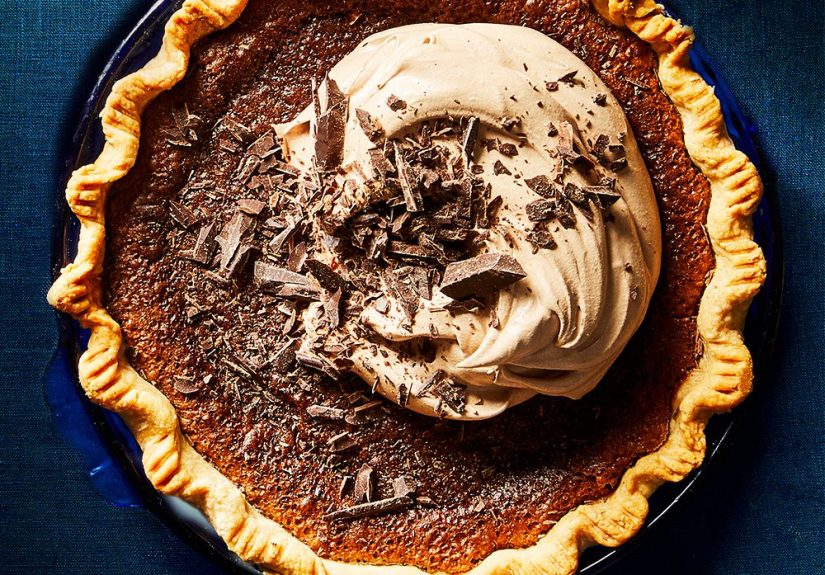
2) Chocolate Cream Pie (pudding’s glow-up)
Vibe: Deep chocolate custard with a glossy finish and a cloud of whipped cream on top.
Blueprint: Prebaked crust (flaky or cookie) + cocoa-and-chocolate pastry-cream-style filling + whipped cream.
- Texture win: Use both cocoa powder and chopped chocolate for a fuller chocolate flavor and a silkier set.
- Serving flex: Finish with chocolate curls or a dusting of cocoa.
3) Coconut Cream Pie (toasted paradise in a slice)
Vibe: Creamy coconut custard + toasted coconut + whipped cream. Beach vacation, but in socks.
Blueprint: Blind-baked crust + coconut pastry cream (often using coconut milk with dairy) + toasted coconut topping.
- Flavor trick: Toast coconut until golden for a nutty depth (watch itcoconut goes from “golden” to “campfire” fast).
- Crust idea: Shortbread-style crust for buttery-cookie contrast.
4) Banana Cream Pie (the classic that never stops being fun)
Vibe: Layers of fresh banana and vanilla pastry cream, finished with whipped cream. Nostalgic in the best way.
Blueprint: Baked crust + sliced ripe bananas + vanilla pastry cream + whipped cream.
- Banana strategy: Use ripe-but-not-mushy bananas so they hold their shape.
- Prevent browning: Lightly toss banana slices with a little lemon juice if you’re assembling ahead.
- Why it works: This is essentially layered bananas + pastry cream + whipped creamsimple components that feel fancy together.
5) Butterscotch Pie (brown sugar’s main-character moment)
Vibe: Warm, caramel-like butterscotch custard that tastes like cozy sweaters and good decisions.
Blueprint: Baked crust + brown sugar custard thickened with egg yolks + starch + butter + vanilla + whipped cream.
- Flavor key: Brown sugar brings molasses notes; a pinch of salt keeps it from going “one-note sweet.”
- Custard cue: Whisk constantly and cook until clearly thickstarch and yolks need enough heat to fully set.
6) Key Lime Pie (tangy, creamy, and basically sunshine)
Vibe: Bright citrus custard in a crumb crust, chilled and sliceable.
Blueprint: Graham-style crust + sweetened condensed milk + egg yolks + key lime juice/zest.
- Why it sets: The classic combo of condensed milk, yolks, and lime juice thickens into that signature creamy texture.
- Serving idea: Whipped cream topping keeps the citrus pop from feeling too sharp.
7) Lemon Custard Pie (bright, silky, and not afraid of flavor)
Vibe: Like a lemon bar moved into a pie crust and got really into spa treatments.
Blueprint: Baked crust + lemon custard (eggs, sugar, dairy, lemon zest/juice) baked until just set.
- Balance trick: Add lemon zest for aroma and a small pinch of salt to keep the flavor clean.
- Doneness cue: Look for a gentle jiggle in the center; it firms as it cools.
8) Crème Brûlée Pie (shatter-top drama in the best way)
Vibe: Silky vanilla custard pie with a crackly caramelized sugar lid you get to tap dramatically with a spoon.
Blueprint: Baked crust + rich baked custard + sugar topping caramelized at the end.
- Top technique: Caramelize sugar carefully so you melt the sugar without scorching the custard beneath.
- Timing note: Add the brûlée topping close to serving so it stays crisp.
9) Old-Fashioned Egg Custard Pie (simple ingredients, big comfort)
Vibe: A gentle, lightly sweet custard with cozy vanilla and nutmeg energy.
Blueprint: Pie crust + eggs + milk/cream + sugar + vanilla + nutmeg, baked until set.
- Gentle baking: A water bath can help custard bake evenly and reduce curdling.
- Thermometer move: Many custards land in the ~170°F range when done, but follow a safe-egg guideline and your recipe’s cues.
10) Southern Chess Pie (sweet, tangy, and proudly old-school)
Vibe: A pantry-staple custard pie with a signature twist: cornmeal and a touch of vinegar for balance.
Blueprint: Pie crust + eggs + sugar + butter + dairy + cornmeal + a small amount of vinegar + vanilla.
- What makes it “chess”: Cornmeal is the defining detail, with vinegar adding the subtle tang that keeps it from tasting flat-sweet.
- Texture note: You get a tender custard with a faintly crisp toplike crème brûlée’s country cousin.
11) Pumpkin Custard Pie (the classic that deserves year-round status)
Vibe: Spiced, creamy pumpkin custard with a smooth slice and warm aroma.
Blueprint: Parbaked crust + pumpkin purée + eggs + dairy + sugar + spices, baked until set.
- Flavor trick: Bloom spices in the warm dairy (or whisk thoroughly) so cinnamon/ginger/clove don’t taste dusty.
- Doneness cue: Edges set, center slightly wobbly; it firms as it cools.
12) Peanut Butter Cream Pie (no-bake energy, serious payoff)
Vibe: Fluffy, rich peanut butter filling in a crumb crust, usually chillednot bakedso it’s weeknight-friendly.
Blueprint: Graham-style crust + peanut butter + cream cheese + whipped cream (or whipped topping) + powdered sugar.
- Texture win: Whip cream separately, then fold it in for a lighter, mousse-like bite.
- Finish idea: Add chocolate shavings, chopped peanuts, or a thin ganache layer if you want it extra fancy.
Make-ahead, storage, and serving tricks
- Chill is non-negotiable: Cream pies need time to fully set. If you slice early, the filling may slump. (Still tastyjust more “pie puddle.”)
- Cover custards correctly: Press plastic wrap directly onto the surface of stovetop custards while chilling to prevent a skin.
- Whipped cream timing: Top close to serving for the fluffiest look. If you must top early, sweeten whipped cream with powdered sugar for slightly better stability.
- Leftovers: Most cream/custard pies keep well for 2–4 days refrigerated, but crust crispness fades over time. Translation: Day 1 is glam; Day 3 is cozy.
FAQ: Cream and custard pie questions you’ll ask at 11 p.m.
Why did my pastry cream turn lumpy?
Usually: heat was too high, whisking wasn’t constant, or eggs got shocked. Temper eggs by slowly whisking warm liquid into the yolks before combining everything, then cook while whisking. Eggs + starch will thicken smoothly if you stay patient.
Why is my custard pie watery?
Common causes: underbaking, overbaking (curdling can weep), or slicing before fully cool. Bake gently (water bath helps), look for a slight center jiggle, and cool completely.
How do I keep the crust from going soft?
Blind bake thoroughly for cream pies, and consider baking on a preheated stone/steel or using a metal pan for better heat transfer.
Do I really need to worry about egg temperature?
Egg-based dishes are commonly recommended to reach 160°F for safetyespecially important if serving anyone who’s higher risk.
Kitchen stories & “repeat bake” lessons (about )
Here’s what tends to happen when someone falls into the cream-and-custard-pie lifestyle. First, your refrigerator becomes a scheduled meeting room. There’s the “cooling phase,” the “setting phase,” and the “please nobody open the door for five minutes” phase. You’ll start treating shelf space like premium real estate, negotiating with leftovers the way a tiny pastry landlord might: “Yes, the chicken can stay, but this pie needs a full shelf and I’m not taking questions.”
Second, you develop a sixth sense for done-ness. At the beginning, everyone stares into the oven like it’s a crystal ball. Later, you’ll recognize the difference between “still soup,” “just set,” and “uh-oh, it’s trying to become scrambled eggs.” That gentle center jiggle becomes your friend. You’ll learn that custard is basically a very polite dessert: it will set beautifully if you treat it gently, and it will rebel if you blast it with heat like you’re broiling a steak.
Third, you’ll become emotionally invested in your crust. A crisp bottom feels like winning a small award. You’ll preheat baking sheets, choose pans more thoughtfully, and suddenly care about the physics of heat conduction. It’s not snobberyit’s self-preservation. Nobody wants to slice into a gorgeous cream pie and discover the base has the structural integrity of wet cardboard. Once you’ve had a truly crisp crust under a cold, creamy filling, you’ll understand why people write love poems about blind baking.
Then there’s the topping era. Whipped cream looks effortless until you make it on a humid day and it decides to be a soft, slightly confused cloud. You’ll start chilling bowls, keeping it simple, and learning that a little sweetness can help it hold. You’ll also realize whipped cream is the world’s easiest upgrade path: want elegance? Add vanilla and a touch of zest. Want drama? Add chocolate shavings. Want cozy? Sprinkle toasted coconut. It’s like accessories for dessert.
Finally, you’ll notice something sweetly predictable: these pies become “repeat” recipes because they’re customizable without being fussy. Vanilla cream pie is a base for endless riffs. Chocolate cream pie can go mocha, peanut-buttery, or extra-dark. Custard pies can lean citrus, spice, or caramel. And once you nail the core skillgentle heat, patient chilling, and a crust that’s actually bakedyou’ll stop asking “Can I make a pie?” and start asking “Which pie mood am I in today?” That’s when you know you’ve crossed over into real pie confidence.