Table of Contents >> Show >> Hide
- Why Before-And-After Weight Loss Pics Work So Well
- What 114 Incredible Before-And-After Weight Loss Pics Really Show
- What Those Weight Loss Photos Don’t Show
- How to Look at Before-And-After Weight Loss Pics Without Losing Your Mind
- The Smarter Blueprint Behind a Real Transformation
- So, What’s the Real Message Behind 114 Incredible Before-And-After Weight Loss Pics?
- Experiences People Commonly Share Behind Weight Loss Transformations
- Conclusion
There is something wildly compelling about a good before-and-after photo. Maybe it is the visual drama. Maybe it is the proof. Maybe it is because human beings love a plot twist, and nothing says “character development” quite like one photo in an oversized hoodie followed by another where the same person looks brighter, stronger, and like they finally figured out how to stop pretending cauliflower pizza tastes exactly like regular pizza.
But before-and-after weight loss pics are about more than shock value. The best ones do not just show smaller bodies. They show persistence. They show routine. They show a person who kept going when the scale slowed down, when the jeans still felt rude, and when the salad got boring. In other words, they show the part nobody posts enough: the middle.
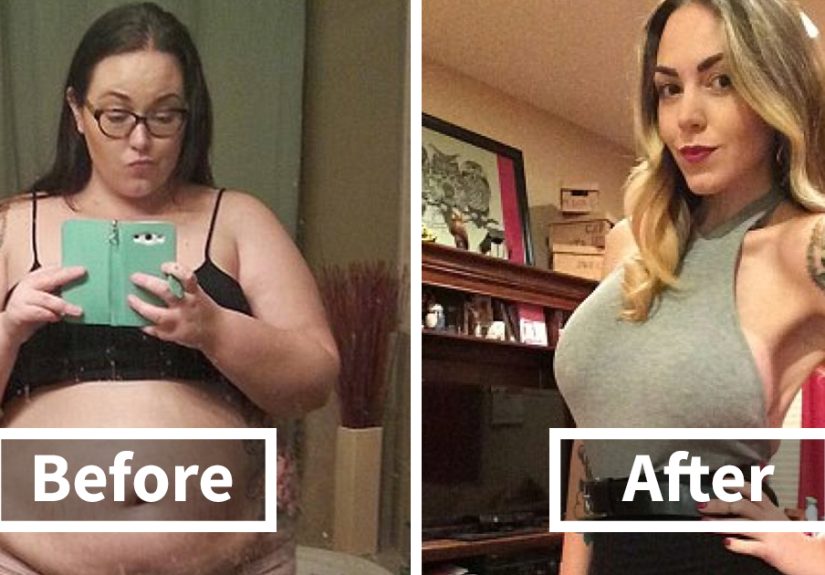
That is why collections like 114 incredible before-and-after weight loss pics hit so hard online. They are visual proof that change is possible. At the same time, they can also be misleading if you treat them like the whole story. A transformation image can capture progress, but it cannot capture sleep, stress, hormones, support systems, plateaus, strength gains, loose skin, confidence, or the fact that some people reached their “after” with help from a doctor, medication, therapy, surgery, or all of the above.
So instead of treating these photos like magic tricks, let’s read them the smarter way. Here is what they really reveal, what they leave out, and how to use them as motivation without turning your own health journey into a miserable comparison contest.
Why Before-And-After Weight Loss Pics Work So Well
A single transformation photo can communicate what 1,000 check-ins cannot. It gives shape to effort. It turns months of grocery swaps, neighborhood walks, skipped drive-thru runs, and awkward first gym sessions into one clean visual story. That is powerful.
It is also emotionally sticky because weight loss is rarely just about weight. People often begin for one reason and keep going for another. They may start because of blood pressure, blood sugar, joint pain, or shortness of breath. Then, somewhere along the way, they notice they are sleeping better, climbing stairs without negotiating with the universe, or wearing clothes they had quietly exiled to the back of the closet. The photo catches the outside change, but the real hook is the inner shift.
And yes, let’s be honest, pictures are also easier to process than spreadsheets. Nobody has ever gone viral by posting, “Day 143: continued moderate calorie deficit and improved meal planning compliance.” Helpful? Sure. Exciting? Not exactly.
What 114 Incredible Before-And-After Weight Loss Pics Really Show
1. Small habits can create surprisingly big visual results
Most dramatic transformations are not built on one heroic month. They are built on ordinary repetition. Better breakfasts. More walking. Less liquid sugar. More home cooking. More protein and fiber. Fewer “I already messed up lunch, so dinner might as well be a deep-fried personality crisis” moments.
This is the least glamorous part of weight loss, which is probably why it is also the most effective. Real change usually comes from habits you can repeat on a random Wednesday, not from punishment plans you can only survive while feeling unusually inspired. That is one reason sustainable progress looks boring up close and astonishing from far away.
2. The “after” picture usually hides a messy middle
Transformation photos are neat. Real life is not. There are plateaus, weekends, holidays, illnesses, work stress, family obligations, and those days when your brain suggests that a cinnamon roll is basically self-care. Plenty of people lose weight, regain some, stabilize, start again, and still end up healthier than where they began.
That middle stretch matters because it teaches the skill that actually decides long-term success: returning to your routine after you drift. Not perfection. Not punishment. Not dramatic declarations on Monday morning. Just return.
3. Exercise changes more than the scale
Some of the best before-and-after images do not just show weight loss. They show posture, muscle tone, energy, and confidence. That is an important distinction. Two people can weigh the same, yet look very different depending on their body composition, muscle mass, and activity level.
This is why relying only on scale weight can make people feel like their effort is not “working” when it actually is. Strength training, walking, biking, swimming, and other movement habits improve far more than appearance. They support heart health, mobility, endurance, and long-term weight maintenance. So if your progress photo looks better before your scale agrees, congratulations: your body did not fail to read the memo. It is just doing more than one job at once.
4. Sleep and stress belong in the picture, too
Transformation culture loves meal prep containers and gym selfies, but sleep and stress are often the invisible co-stars. Poor sleep can drive hunger, mess with decision-making, and make healthy routines feel a lot harder. Chronic stress can lead to emotional eating, less movement, and an all-around “I deserve a treat” spiral that somehow lasts four days.
That means some of the most important progress in a weight loss journey is not visual at all. It looks like getting to bed earlier. It looks like learning to eat because you are hungry, not because your inbox was rude. It looks like discovering that rest is a strategy, not laziness in sweatpants.
5. Support makes a difference
Many successful weight loss stories include some version of support: a partner who joins the walks, a friend who checks in, a dietitian, a doctor, a trainer, a therapist, or an online community that cheers for every ten-pound milestone and every non-scale victory. People do not always need a huge team, but they usually do better with some kind of accountability.
That is another thing before-and-after pics rarely show. The person in the photo may look like they “just did it,” but behind the scenes there was often structure, feedback, encouragement, and a whole lot of trial and error.
What Those Weight Loss Photos Don’t Show
Here is the part worth saying clearly: before-and-after weight loss pics are real, but they are incomplete. A photo may be honest and still leave out crucial context.
- Lighting, clothing, and posture: Angles can exaggerate differences. So can tighter clothes, better posture, or different timing during the day.
- Water weight and bloat: Sometimes a body looks different because of sodium, hydration, hormones, or timing, not just body fat.
- Muscle gain: Someone may look leaner, firmer, and healthier without an enormous change on the scale.
- Medical care: Some people used anti-obesity medication, therapy, or bariatric surgery. That is not cheating; that is treatment.
- Loose skin and body image: Not every “after” comes with instant confidence. Many people still need time to adjust mentally.
- Maintenance: Losing weight is one phase. Keeping it off is a different challenge entirely.
In other words, a transformation picture is a snapshot, not a documentary. It can inspire you, but it should not be used as a measuring stick for your exact timeline, body shape, or worth.
How to Look at Before-And-After Weight Loss Pics Without Losing Your Mind
Use them for inspiration, not comparison
The healthiest way to look at weight loss photos is to ask, “What can I learn from this?” instead of, “Why don’t I look like that yet?” One question creates momentum. The other creates misery.
Look for patterns. Did the person become more active? Did they mention consistency, meal planning, therapy, or patience? Those details are useful. Their exact calorie count, body shape, or timeline may not be.
Remember that healthy weight loss is usually slower than the internet wants
The internet loves overnight success. Human biology does not. Sustainable progress is often gradual, which is annoying, unfair, and still true. Fast results are flashy, but slower progress tends to be easier to maintain because it leaves room for actual life.
That is why many health experts emphasize realistic goals, lasting behavior change, and steady routines instead of crash diets. It may not sound glamorous, but “I can keep doing this” is one of the most underrated sentences in wellness.
Take your own photos for evidence, not validation
If before-and-after pics motivate you, use that tool on yourself. Take progress photos privately. Not for applause. Not for a dramatic reveal. Just for evidence. Because there will be days when the scale is stubborn, your jeans are confusing, and your brain decides none of this is working.
That is when a photo can remind you that the body changes in layers. Sometimes your face looks different first. Sometimes your waist. Sometimes your posture tells the story before your clothes do. Pictures can help you notice progress the scale misses.
The Smarter Blueprint Behind a Real Transformation
If you strip away the filters, captions, and dramatic side-by-side reveals, most successful weight loss journeys tend to share a few boring but powerful principles.
Eat in a way you can sustain
That usually means more whole and minimally processed foods, more fruits and vegetables, more lean protein, more fiber, and fewer added sugars and highly processed foods that seem specifically designed to make “just one serving” feel like a personal joke. The best plan is rarely the most extreme one. It is the one you can repeat consistently enough for it to become part of your life.
Move regularly, not randomly
Walking counts. Strength training counts. Dancing in the kitchen while waiting for the air fryer counts if it gets you off the chair and into the habit of moving. The goal is not to suffer artistically. The goal is to become a person who moves often enough that movement feels normal.
Protect your muscle while losing fat
This matters more than people realize. Weight loss is not just about getting lighter. It is about improving health while preserving strength, function, and lean mass. That is one reason resistance training and adequate protein matter. A smaller body is not automatically a healthier one if the process leaves you weaker, more fatigued, and unable to maintain the result.
Track what helps, ignore what doesn’t
For some people, tracking meals, steps, workouts, or weekly averages is incredibly useful. For others, detailed tracking turns into mental clutter. The trick is to measure the behaviors that keep you consistent without turning your life into a spreadsheet with feelings. Helpful data is good. Obsessive data is just stress wearing an athletic outfit.
Plan for maintenance early
This is the step people forget while dreaming about the “after” photo. Maintenance is not some magical reward phase where discipline disappears and your habits maintain themselves out of gratitude. It still requires structure. People who keep weight off often continue many of the same habits that helped them lose it in the first place: regular movement, mindful eating, self-monitoring, and quick adjustments when old patterns return.
So, What’s the Real Message Behind 114 Incredible Before-And-After Weight Loss Pics?
The real message is not that everyone should chase the same body. It is not that your worth improves as your waistline shrinks. And it is definitely not that one photo can summarize a person’s health.
The real message is that change is possible, but it is usually built the old-fashioned way: one decision at a time. One walk. One better lunch. One more night of sleep. One less all-or-nothing meltdown after a “bad” meal. One more week of showing up when motivation is nowhere to be found.
That is what makes these pictures powerful. Not the visual shock. The accumulated proof. They remind us that bodies can change, habits can change, and people can change. Even when it is slow. Even when it is inconvenient. Even when the middle is messy.
And honestly, that may be the most incredible transformation of all.
Experiences People Commonly Share Behind Weight Loss Transformations
Spend enough time reading stories behind before-and-after weight loss pics, and you begin to notice something important: the emotional experience is surprisingly similar, even when the bodies and timelines are totally different. Many people say the beginning feels awkward rather than empowering. They do not wake up on Day One as a motivational poster. They feel tired, skeptical, and a little annoyed that “healthy lifestyle changes” usually involve doing dishes more often because they are cooking at home.
Then comes the strange phase where progress is real, but it does not feel dramatic yet. A person may notice they are less winded walking up stairs, or that they no longer need an afternoon nap after lunch, or that their ring fits differently. These are exciting moments, but they are also weirdly easy to dismiss because they are not the kind of victories people expect. Most people imagine weight loss as a dramatic reveal. In real life, it often arrives as a series of tiny upgrades. The seat belt closes more easily. The knees hurt less. The hoodie fits better. The face in the mirror starts to look more awake.
Plateaus are another nearly universal experience. People often describe them as the moment their brain begins acting like an unreliable narrator. Even when they are doing many things right, the lack of visible movement can make them question everything. This is where many transformation stories quietly become resilience stories. Some people switch up workouts. Some tighten portions. Some just keep going until the plateau finally breaks. But almost everyone who succeeds long term learns the same lesson: a stall is frustrating, not fatal.
Another common experience is that compliments can feel both wonderful and uncomfortable. Friends notice. Coworkers comment. Family members suddenly become amateur documentarians of your body. For some people, that feels validating. For others, it feels complicated. They may appreciate the support while also realizing how much attention the world pays to appearance. That emotional whiplash is real, and it is one reason the mental side of weight loss deserves more conversation than it gets.
Then there is maintenance, the chapter that rarely gets the cinematic soundtrack. Many people say reaching a goal feels exciting for about five minutes, and then real life returns. The grocery store still exists. Stress still exists. Cookies continue to behave like cookies. What changes is not that temptation vanishes, but that routines become more familiar. By then, the person is no longer relying only on motivation. They have systems. They know which breakfasts keep them full, which habits make them spiral, and which “treat yourself” decisions are worth it. In the best transformation stories, the final photo is not the ending. It is simply the moment someone realized they had built a life they could actually live in.
Conclusion
Before-and-after weight loss pics can be inspiring, funny, emotional, and genuinely motivating. They can also be incomplete, overly polished, and easy to misread if you forget there is a whole life happening outside the frame. The smartest way to use them is as proof that progress is possible, not as proof that your journey should look exactly the same.
Whether you are scrolling through one transformation or 114 incredible before-and-after weight loss pics, the takeaway is the same: long-term change usually comes from consistent habits, realistic expectations, better support, and patience with a process that rarely looks glamorous while you are in it. The photo may grab your attention, but the real story is everything the camera cannot capture.