Table of Contents >> Show >> Hide
- Why Beginner Sewing Projects Work Best When They Stay Simple
- 19 Beginner Sewing Projects and DIY Crafts to Try This Weekend
- 1. Scrunchies
- 2. Fabric Bookmarks
- 3. Cloth Napkins
- 4. Simple Coasters
- 5. Envelope Pillow Covers
- 6. Reusable Produce Bags
- 7. Drawstring Gift Bags
- 8. Zipper Pouches
- 9. Tote Bags
- 10. Market Totes
- 11. Japanese Knot Bags
- 12. Simple Aprons
- 13. Fabric Baskets
- 14. Pincushions
- 15. Tea Towels with Decorative Trim
- 16. Reusable Snack Bags or Sandwich Wraps
- 17. Visible Mending Patches
- 18. Denim Upcycling Projects
- 19. Beginner Embroidery Hoops
- How to Choose the Right First Project
- Tips to Make Your Weekend Sewing Session Smoother
- Final Stitch
- A Beginner’s Weekend Sewing Experience: What It Really Feels Like
- SEO Tags
If your sewing machine has been sitting in a corner looking smug while you pretend you are “waiting for the right project,” this is your sign. The right project is not a ball gown. It is not a quilt the size of a parking space. It is a simple, satisfying, gloriously beginner-friendly weekend make that teaches one or two useful skills without turning your living room into a fabric storm.
The best beginner sewing projects do three things well: they use straightforward shapes, they forgive tiny mistakes, and they leave you with something you will actually use. That is why totes, napkins, pillow covers, scrunchies, simple bags, and visible mending show up again and again in expert beginner guides. They help new sewists practice straight seams, pressing, turning corners, topstitching, and basic finishing without requiring advanced pattern-reading skills or the emotional resilience of a costume designer on deadline.
So if you have a free Saturday, a pair of fabric scissors, and a brave little spool of thread, here are 19 beginner sewing projects and DIY crafts to try this weekend. Some can be made by hand. Some are better on a machine. All of them are realistic for beginners, useful in real life, and fun enough to keep you from rage-quitting after your first crooked seam.
Why Beginner Sewing Projects Work Best When They Stay Simple
New sewists usually do better with woven cotton or other easy-to-handle fabrics because they are stable, press well, and do not slide around like they are trying to escape. Simple projects also give you quick practice with the real fundamentals: measuring, cutting, pinning, pressing, sewing consistent seam allowances, and fixing mistakes with a seam ripper before you start blaming the machine like it personally betrayed you.
A smart weekend plan is to begin with one small item, move to one practical project, and then finish with something creative or decorative. That sequence builds confidence fast. You learn the mechanics, make something useful, and end the weekend with proof that you can, in fact, turn flat fabric into something recognizable.
19 Beginner Sewing Projects and DIY Crafts to Try This Weekend
1. Scrunchies
Scrunchies are the gold medalists of beginner sewing. They use tiny pieces of fabric, teach you how to sew a tube, and help you practice threading elastic through a casing. They are quick, giftable, and forgiving. If your seam line wobbles a little, congratulations: it is now “soft and organic.”
2. Fabric Bookmarks
A fabric bookmark is ideal if you want a project you can finish before your coffee gets cold. You will practice layering fabric, sewing straight edges, turning a tiny project right side out, and topstitching. Add interfacing if you want a crisper finish, or keep it soft for that cozy handmade look.
3. Cloth Napkins
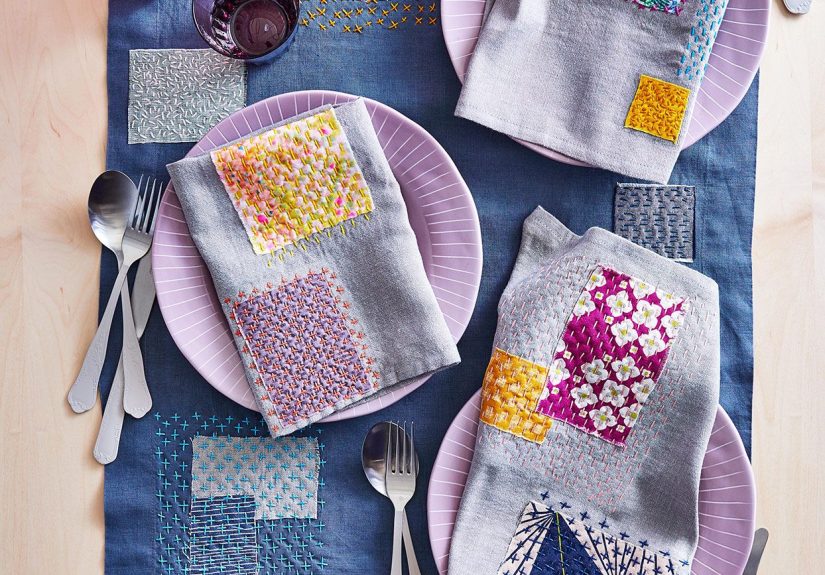
Cloth napkins are one of the smartest beginner sewing projects because they are basically hems with a purpose. You learn how to fold, press, sew corners, and stitch close to the edge. The result feels polished, practical, and a little grown-up, like you suddenly host dinners instead of eating over the sink.
4. Simple Coasters
Fabric coasters are perfect scrap-busters. They can be quilted lightly, backed with felt, or kept super simple with two fabric layers and a little batting in the middle. You get practice sewing curves or squares, trimming seam allowances, and creating something useful enough to make you weirdly proud of your coffee table.
5. Envelope Pillow Covers
If you want a project that looks more advanced than it is, make an envelope-back pillow cover. It is mostly rectangles, straight lines, and hems. No zipper, no drama. It teaches measuring, seam alignment, and basic home decor sewing, while giving your couch the illusion that you absolutely have your life together.
6. Reusable Produce Bags
Reusable produce bags are beginner-friendly and practical, especially if you like projects that replace disposable items. You will practice sewing lightweight fabric, making channels for drawstrings, and finishing seams neatly. They are simple, eco-conscious, and a good excuse to buy cute fabric while claiming it is for sustainability.
7. Drawstring Gift Bags
These are excellent for holidays, birthdays, party favors, or hiding snacks from the rest of your household. A drawstring bag helps you practice straight seams, boxed corners if you want a flatter base, and threading ribbon or cord through a casing. Once you make one, you will start making them for everything.
8. Zipper Pouches
Yes, zippers sound scary. No, they are not wizardry. A basic zip pouch is one of the best “level-up” projects for beginners because it introduces structure without requiring a complicated pattern. Start with a flat pouch for pens, makeup, or cords. When you finish, you will feel like you unlocked a new crafting achievement.
9. Tote Bags
Tote bags are beginner classics for a reason. They use sturdy fabric, mostly straight seams, and deliver instant usefulness. You learn about handle placement, reinforcing stress points, and sewing something that can actually carry weight. Plus, nothing says “I sew now” like casually showing up with a bag you made yourself.
10. Market Totes
A market tote is the tote bag’s more ambitious cousin. It often includes a roomy shape, interior pockets, and stronger construction, but it is still absolutely beginner-possible if you take it step by step. This project is excellent for learning how functional sewing and style can live happily in the same bag.
11. Japanese Knot Bags
If you want something a little artsy without being difficult, try a knot bag. The shape is charming, the construction is manageable, and the final project looks far fancier than the effort suggests. It is a great introduction to bag-making, lining, and careful assembly, especially if you enjoy projects that feel handmade in the best way.
12. Simple Aprons
A basic apron is practical, customizable, and beginner-friendly. You can keep it clean and minimal or add a pocket for extra practice. This project teaches edge finishing, straps, and shaping without demanding tailoring skills. Also, if you bake, grill, paint, or garden, an apron is one of those things you will genuinely use.
13. Fabric Baskets
Soft fabric baskets are excellent for learning how to give fabric a little structure. With interfacing, batting, or a heavier lining, they hold their shape and look surprisingly polished. They are ideal for storing clips, thread, skincare, remote controls, or the mysterious tiny objects that appear on every countertop.
14. Pincushions
A pincushion is charming, practical, and small enough that mistakes do not feel expensive. It helps beginners practice sewing around curves or corners, stuffing evenly, and closing openings neatly by hand. Best of all, you finish with a tool you will keep using, which makes the next project easier right away.
15. Tea Towels with Decorative Trim
If full sewing projects feel intimidating, embellishing a tea towel is a great bridge project. Add fabric trim, simple borders, patchwork accents, or a tiny pocket. You will build confidence with measuring and stitching while ending up with a useful kitchen item that looks intentionally boutique instead of accidentally crafty.
16. Reusable Snack Bags or Sandwich Wraps
These projects are practical and satisfying because they turn basic sewing into something you can use every weekday. They often involve straight seams, topstitching, and simple closures. Beginners like them because they are compact and affordable to make, while experienced sewists like them because they quietly reduce waste.
17. Visible Mending Patches
Visible mending is where sewing meets personality. Instead of hiding a repair, you turn it into a design detail with contrast thread, patchwork, or decorative stitches. It is ideal for beginners because perfection is not the point. The point is extending the life of clothing while making it look intentionally cool.
18. Denim Upcycling Projects
Old jeans are beginner-crafting treasure. You can turn them into pouches, patch pockets, coasters, small storage bins, or simple pet toys. Denim is sturdy, so it helps you understand fabric behavior in a new way. Just be sure to use the right needle and avoid sewing through bulky seams unless your machine can handle it.
19. Beginner Embroidery Hoops
This is technically stitching rather than traditional sewing, but it absolutely belongs on a beginner weekend list. Embroidery teaches patience, hand control, and design confidence. A simple hoop project with backstitch, satin stitch, or lazy daisies adds a handmade flourish to your skill set and is a great break from machine work.
How to Choose the Right First Project
Pick your first project based on the skill you want to learn, not the fantasy version of yourself. If you want to practice hems, make napkins. If you want to try casings, make scrunchies or drawstring bags. If you want to build confidence with longer seams, make a tote or pillow cover. If you want a small win, choose a bookmark or pincushion.
Also, do yourself a favor and keep the fabric reasonable. Beginner-friendly sewing is not the time for slippery satin, stretchy knits, sequins, or anything that sheds glitter like a dramatic ex. A woven cotton print is usually your best friend. It cuts cleanly, presses well, and behaves like it actually wants you to succeed.
Tips to Make Your Weekend Sewing Session Smoother
Press as you go. It sounds boring, but it is the difference between “homemade in a chic way” and “why does this bag lean emotionally to the left?” Read the full instructions before cutting. Keep a seam ripper nearby because mistakes happen to everyone. Test stitches on scraps first. Match your needle to the weight of your fabric. And if your machine suddenly starts acting possessed, rethread it before assuming you have entered a cursed chapter of your crafting journey.
Most importantly, do not judge a project in the middle. Almost every sewn item looks weird halfway through. That is normal. Pillow covers resemble fabric envelopes. Tote bags look like abstract rectangles. Scrunchies look like confused noodles before the elastic goes in. Trust the process.
Final Stitch
The beauty of beginner sewing projects is not that they are tiny. It is that they are teachable. Every napkin, tote, pouch, or mended pocket builds real skills you will use again. By the end of one weekend, you can learn how to sew straighter seams, finish edges more neatly, choose better fabrics, and stop seeing sewing as some mysterious talent possessed only by people with perfect craft rooms.
Start small. Finish something. Use it. Then make another one that looks a little better. That is how sewing works for nearly everyone, even the people now casually making lined bags with pockets and acting like they were born knowing what interfacing is.
A Beginner’s Weekend Sewing Experience: What It Really Feels Like
There is a very specific kind of optimism that appears right before a beginner starts sewing on a Saturday morning. You clear the table. You line up the thread. You tell yourself this will be “a relaxing creative weekend.” Ten minutes later, you are squinting at the machine manual like it is a legal contract and asking the bobbin to explain itself. This, surprisingly, is a normal and valuable part of the experience.
The first emotional high usually arrives after the first clean seam. It is not glamorous. It may be on a napkin, a pouch lining, or a scrunchie tube that still looks suspiciously worm-like. But it is enough to make you think, “Wait. I can do this.” That moment matters because sewing confidence rarely arrives in a dramatic movie montage. It sneaks in through repetition. One straight seam becomes four. One finished corner becomes a tote bag. Suddenly you are choosing fabric on purpose instead of at random.
Beginners also learn quickly that sewing is half craft, half problem-solving. Fabric stretches when you did not ask it to. Corners bunch. A project that looked easy online somehow develops four extra steps in your living room. But those little problems are where real learning happens. You begin to understand why pressing matters, why accurate cutting matters, and why experienced sewists speak so lovingly about good scissors and a dependable seam ripper.
Another common weekend surprise is how satisfying useful projects feel. A scrunchie is fun, sure, but a finished tote bag or pillow cover creates a special kind of pride. You are not just making something cute. You are making an object that works. You can carry groceries in it, throw it on the couch, wrap a gift in it, or mend a favorite jacket with it. The craft moves from “nice hobby” to “actually practical skill,” and that shift is powerful.
There is also a quieter emotional reward to beginner sewing that people do not talk about enough. It slows your brain down. Measuring, cutting, pressing, stitching, and turning fabric right side out requires attention in a way that pulls you out of the usual digital noise. For a couple of hours, your biggest concern is whether the straps are even, not whether your inbox has staged a coup.
By Sunday evening, most beginners are not perfect sewists. Their topstitching may wander. Their corners may be a little chunky. Their first zipper may look confident only from a respectful distance. But they are no longer starting from zero. They have made things. They understand more than they did 24 hours earlier. And usually, that is when the real trouble begins: they start planning the next project, buying more fabric, and saying dangerous sentences like, “I think I could probably make curtains.”
That is the real magic of beginner sewing projects. They do not just fill a weekend. They turn curiosity into momentum. And once that momentum shows up, your sewing machine stops looking intimidating and starts looking like possibility.