Table of Contents >> Show >> Hide
- The Short Answer: No, But You Should Choose Carefully
- What Counts as Shelf-Stable or Packaged Food?
- Why Packaged Foods Get a Bad Reputation
- Why Avoiding All Packaged Foods Is Not the Right Move
- How to Judge a Packaged Food Like a Pro
- Best Shelf-Stable or Packaged Foods to Keep Around
- Packaged Foods to Limit More Often
- Simple Rules for Choosing Better Packaged Foods
- When Someone May Need to Be More Careful
- Real-Life Experiences: What This Looks Like in a Normal Week
- Conclusion
- SEO Tags
If you have ever stared at a grocery shelf and thought, “Well, this all looks suspiciously wrapped,” you are not alone. Packaged foods have a bit of a PR problem. Somewhere along the way, “comes in a box” started sounding like “belongs in witness protection.” But nutrition is not that dramatic. The truth is much less flashy and much more useful: you do not need to avoid all shelf-stable or packaged foods.
In fact, some packaged foods can make healthy eating easier, cheaper, and more realistic. Yes, really. Canned beans can save dinner. Frozen vegetables can rescue busy weeknights. Plain oatmeal is shelf-stable, affordable, and about as wholesome as a food can get without introducing itself as a farm. The real issue is not whether a food is packaged. The issue is what kind of packaged food it is, how often you eat it, and what the label is quietly trying to tell you.
So, should you avoid shelf-stable or packaged foods? No. You should avoid treating them all the same.
The Short Answer: No, But You Should Choose Carefully
If your plan is to ban every packaged food from your kitchen, you may accidentally toss out plenty of good options along with the nutritional troublemakers. Not every packaged food is junk, and not every fresh food is automatically the hero of the story. A bakery muffin can be “fresh” and still hit like dessert in a trench coat. Meanwhile, a bag of frozen broccoli is packaged and still very much on your side.
A smarter goal is this: build a diet based mostly on minimally processed foods, then use shelf-stable and packaged foods strategically. That means filling your routine with foods that are rich in fiber, protein, vitamins, and minerals, while keeping an eye on sodium, added sugars, saturated fat, and portion sizes. In other words, the package is not the villain. The nutrition label is the plot twist.
What Counts as Shelf-Stable or Packaged Food?
Shelf-stable foods are foods that can safely sit at room temperature until they are opened. Think canned tuna, peanut butter, brown rice, oats, canned tomatoes, dry pasta, boxed milk, and beans. Packaged foods is the broader category. That includes shelf-stable foods, but also refrigerated and frozen items like yogurt cups, frozen vegetables, bagged salads, deli meat, and frozen entrées.
Some processing is normal
Almost every food is processed in some way. Washing, chopping, freezing, pasteurizing, drying, canning, and fermenting all count as processing. That does not make food unhealthy. In many cases, processing improves food safety, extends shelf life, reduces waste, and makes nutritious foods easier to eat regularly. Frozen berries in January are not a moral failure. They are just practical.
The bigger concern is ultra-processed food
The foods that deserve more caution are often called ultra-processed foods. These are products that tend to be heavily formulated, highly convenient, and easy to overeat. Examples include sugary cereals, candy, soda, chips, packaged pastries, many fast snacks, and some frozen meals with long ingredient lists and lots of added sodium, sugar, or refined starch. These foods are often engineered to be tasty, cheap, and hard to stop eating. Your taste buds think they won the lottery. Your long-term health may disagree.
Why Packaged Foods Get a Bad Reputation
Packaged foods earned their reputation honestly in some cases. Many common products are high in sodium, added sugars, saturated fat, and refined grains. They can also be low in fiber, which means they are less filling and easier to overeat. A meal made of crackers, sweetened yogurt, a granola bar, and a “healthy” bottled smoothie can look innocent enough, but it may leave you hungry again an hour later and wondering why your energy disappeared.
Another problem is that highly processed foods can crowd out better options. If a person fills up on packaged snack cakes, instant noodles, and sugary drinks, there is less room for beans, fruit, vegetables, whole grains, yogurt, eggs, nuts, or other nutrient-dense staples. Over time, that pattern matters much more than the occasional packaged snack.
Packaged foods can also create a health halo. Labels like “multigrain,” “made with real fruit,” “natural,” or “gluten-free” do not automatically mean a product is nutritious. Some foods wear wellness language the way a raccoon wears a tuxedo: technically dressed up, still a raccoon.
Why Avoiding All Packaged Foods Is Not the Right Move
A blanket rule against packaged foods sounds clean and disciplined, but real life is messy. People work late. Budgets are tight. Fresh produce goes bad. Energy is limited. Not everyone has time to soak beans, bake bread, and julienne vegetables like they are auditioning for a cooking show. Healthy eating has to work on a random Tuesday, not just on your most organized Sunday.
Many packaged foods support a healthy diet beautifully. Consider these examples:
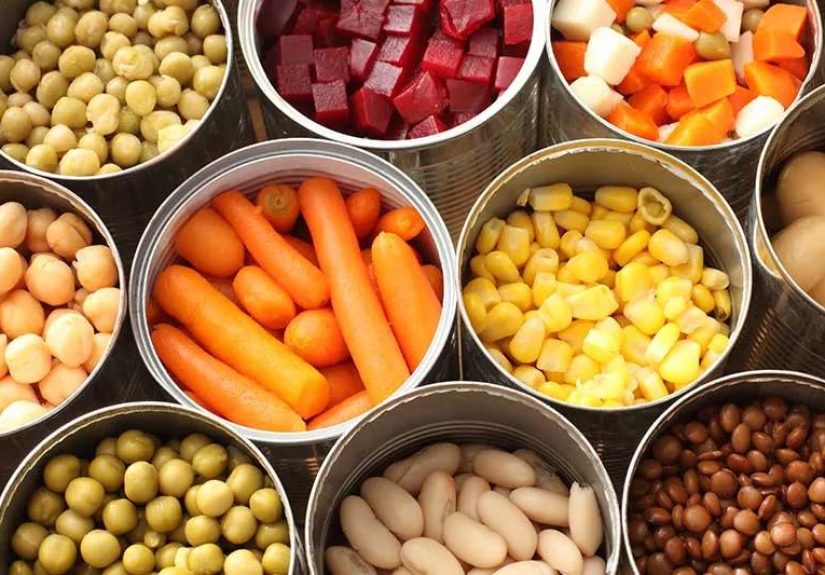
Canned beans: inexpensive, rich in fiber and plant protein, and easy to add to soups, salads, tacos, and grain bowls.
Frozen vegetables: convenient, often just as nutritious as fresh, and less likely to become sad science projects in the crisper drawer.
Canned fish: tuna, salmon, and sardines can provide protein and useful nutrients with long shelf life.
Plain oats: cheap, filling, shelf-stable, and versatile.
Nut butters: a good option when the ingredient list is simple and the added sugar is low.
Whole-grain pasta and brown rice: pantry staples that can help build balanced meals.
Canned tomatoes: a practical base for soups, stews, chili, and sauces.
Unsweetened applesauce, dried fruit, and boxed beans or lentils: useful in moderation, especially when labels are simple.
Packaged foods can also improve food access. Shelf-stable staples matter for families who shop less often, people living in food deserts, older adults, college students, and anyone trying to stretch a budget without living on crackers and vibes.
How to Judge a Packaged Food Like a Pro
You do not need a nutrition degree. You need about 30 extra seconds and a willingness to ignore the dramatic front of the package.
1. Start with the Nutrition Facts label
Check the serving size first. If the package contains two or three servings and you will obviously eat the whole thing, congratulations, you have found the number that actually matters.
Then look at these four things:
Sodium: lower is generally better, especially for soups, sauces, frozen meals, canned goods, and snack foods.
Added sugars: compare similar products and choose the lower-sugar option when possible.
Saturated fat: keep an eye on it, particularly in frozen meals, desserts, packaged baked goods, and creamy snacks.
Fiber: more fiber is usually a good sign in cereals, breads, crackers, grain products, and snack bars.
2. Read the ingredient list
The ingredient list helps you figure out what kind of processing you are dealing with. A short ingredient list is not automatically healthier, but it often makes the product easier to understand. For example:
Better signs: oats, peanuts, beans, tomatoes, brown rice, chickpeas, lentils, whole wheat flour, herbs, spices.
Proceed with caution: products built mostly from refined flour, sugar, syrups, hydrogenated oils, or a long chain of flavorings and additives with very little fiber or protein.
3. Compare similar products, not random strangers
Compare one tomato soup to another tomato soup. One granola bar to another granola bar. One whole-grain bread to another loaf. That is where label reading becomes useful. You are not trying to prove celery is healthier than cookies. The case is already closed.
4. Think about the food’s job
Is this product a base for a meal, a helpful convenience item, or basically candy with a better publicist? A can of black beans and a frosted toaster pastry are both packaged, but only one is trying to help you build dinner.
Best Shelf-Stable or Packaged Foods to Keep Around
If you want a healthier pantry and freezer, start with foods that make balanced meals easier:
Pantry winners
Canned beans, lentils, canned tomatoes, plain oats, quinoa, brown rice, whole-grain pasta, natural peanut butter, canned salmon or tuna, low-sodium broth, nuts, seeds, and canned fruit packed in water or juice.
Freezer winners
Plain frozen vegetables, frozen fruit without added sugar, frozen edamame, plain seafood, and simple frozen whole grains.
Fridge winners
Plain yogurt, hummus, pre-cut vegetables, bagged greens, and simple cheese or cottage cheese in reasonable portions.
These foods help you assemble quick meals with better nutrition. A bowl of oatmeal with fruit and peanut butter. A grain bowl with brown rice, canned beans, salsa, and frozen corn. Pasta with canned tomatoes, olive oil, spinach, and tuna. Nothing fancy. Very edible. Surprisingly effective.
Packaged Foods to Limit More Often
You do not need to ban these foods forever, but they should not dominate your routine:
Packaged pastries, sugary cereals, candy, soda, chips, heavily salted snack mixes, instant noodles with seasoning packets, processed meats, and frozen meals loaded with sodium and saturated fat. These are the foods most likely to be low in fiber, easy to overeat, and not especially satisfying for long.
Also be cautious with products marketed as health foods. Protein cookies, breakfast bars, flavored oatmeals, sweetened nut butters, and smoothies can look virtuous while delivering a surprising amount of sugar, sodium, or calories in a small package.
Simple Rules for Choosing Better Packaged Foods
If you want easy guidelines you can remember in the store, use these:
Choose foods that add something useful like fiber, protein, whole grains, or produce.
Choose foods with less added sugar, sodium, and saturated fat than the version next to them.
Choose plain or lightly seasoned options when possible.
Choose products that help you make meals, not just mindless snacking.
Choose convenience wisely. A bagged salad kit is not the same as a box of frosted snack cakes.
When Someone May Need to Be More Careful
Some people should pay especially close attention to packaged foods. If you have high blood pressure, packaged foods can quietly pile on sodium. If you have diabetes, added sugars and refined carbs matter more. If you have kidney disease, certain packaged foods may be too high in sodium, potassium, or phosphorus depending on your treatment plan. If you have a medical condition, personalized advice from your doctor or registered dietitian should beat generic internet wisdom every time.
Real-Life Experiences: What This Looks Like in a Normal Week
Here is where the conversation gets more honest. Most people do not choose between a perfect farmers market spread and a mountain of neon snack cakes. They choose between “what is realistic tonight” and “what will keep me from ordering fries out of sheer exhaustion.” That is why packaged foods can be either helpful tools or sneaky troublemakers depending on how they show up in daily life.
Take the busy parent who keeps canned beans, whole-grain pasta, frozen broccoli, peanut butter, oatmeal, canned soup, and boxed milk in the house. That pantry is not glamorous, but it works. Breakfast becomes oatmeal with banana and peanut butter. Lunch becomes soup with added beans and frozen vegetables. Dinner becomes pasta with canned tomatoes and spinach. In this case, packaged foods are doing exactly what they should do: reducing stress, saving money, and helping nutritious meals happen before everyone gets grumpy.
Now compare that with a different kind of convenience routine. Breakfast is a sweet coffee drink and a pastry. Lunch is chips and a packaged sandwich. Afternoon snack is a granola bar that is mostly syrup in activewear. Dinner is a frozen pizza, followed by cookies because dinner somehow felt incomplete. Technically, this is also “eating packaged foods,” but the pattern is completely different. It is lower in fiber, produce, and protein, and much higher in sodium, refined carbs, and added sugars. Same category. Very different outcome.
College students experience this all the time. A dorm room stocked with instant ramen, candy, and soda can leave someone tired, hungry, and nutritionally underfed. But a dorm setup with oats, nuts, shelf-stable milk, whole-grain crackers, tuna packets, fruit cups packed in juice, and nut butter is a different story. It is still packaged. It is just packaged with better judgment.
Older adults often rely on shelf-stable foods too, especially when shopping less frequently is easier. In that case, lower-sodium soups, canned salmon, whole-grain cereal, frozen vegetables, and canned fruit without heavy syrup can make daily eating simpler without sacrificing nutrition. The goal is not culinary perfection. The goal is steady nourishment that people can actually manage.
There is also a budget reality here. Fresh produce is wonderful, but it can spoil quickly. Frozen vegetables and canned tomatoes often prevent waste and stretch grocery dollars further. Plenty of people eat better when they stop chasing an idealized “clean eating” fantasy and start building meals from sensible staples they can afford, store, and use consistently.
My favorite real-world test is this: after you eat the food, do you feel decently full, reasonably energized, and not like you just attended a sodium convention? If the answer is yes, that packaged food may deserve a place in your routine. If the answer is no and you are hungry again in 20 minutes, it may be time to demote that item from “helpful convenience” to “occasional cameo.”
In real life, the healthiest kitchen is rarely the one with zero packaged foods. It is usually the one where packaged foods support better habits instead of replacing them.
Conclusion
So, should you avoid shelf-stable or packaged foods? Not across the board. That approach is too simplistic for how people actually eat. A better strategy is to choose packaged foods that make healthy eating easier, not harder. Focus on foods that deliver fiber, protein, whole grains, beans, fruits, vegetables, and practical convenience. Be more cautious with products that are high in sodium, added sugar, saturated fat, and refined carbs, especially when they are easy to overeat and hard to find a real nutrient in.
Think of packaged food as a category, not a verdict. Some of it belongs in a balanced diet. Some of it should be an occasional guest star. And some of it should probably stop pretending to be breakfast.
The goal is not to fear the package. The goal is to read it, understand it, and make it earn a spot in your cart.