Table of Contents >> Show >> Hide
- The 4 Simple Steps (Quick Overview)
- What You’ll Need
- Step 1: Measure Your Instant Coffee
- Step 2: Heat the Water (Yes, Temperature Matters)
- Step 3: Dissolve the Smart Way (The 10-Second Trick)
- Step 4: Finish, Customize, and Make It Yours
- Instant Iced Coffee in Under a Minute
- Troubleshooting: Fix the Most Common Instant Coffee Problems
- Instant Coffee “Level-Ups” That Still Keep It Simple
- FAQ: Instant Coffee Questions People Actually Ask
- Conclusion
- Experiences: What I’ve Learned Making Instant Coffee the “Real Life” Way
Instant coffee gets a bad rap. Some of it is deserved (we’ve all had a cup that tasted like “burnt toast water”),
but most of it comes down to how it’s made. The good news: with a couple of small tweaks, instant coffee can be
smooth, balanced, and honestly kind of impressive for something you can make in less time than it takes to find your
missing sock.
This guide keeps it simple: four steps, zero fuss, and enough practical tips to help you make a cup you’ll actually
want to drinkhot or icedwithout turning your kitchen into a science lab.
The 4 Simple Steps (Quick Overview)
- Measure the instant coffee (don’t free-pour like a caffeinated cowboyunless you enjoy surprises).
- Heat your water to the “hot but not screaming” zone.
- Dissolve the coffee the smart way so it tastes smoother and mixes evenly.
- Finish and customizemilk, sweetener, spices, foam, or keep it classic.
What You’ll Need
- Instant coffee (granules or powder)
- Water (filtered if your tap water tastes like a swimming pool’s autobiography)
- A mug (8–12 oz is a sweet spot)
- A spoon (stirring is the whole “technology” here)
- Optional upgrades: milk or creamer, sugar or syrup, cinnamon, cocoa, vanilla, a frother, ice
Step 1: Measure Your Instant Coffee
Instant coffee is concentrated and dehydrated brewed coffee, so a little goes a long way. Most jars and packets have
instructions, and those directions are a great starting point because brands vary in strength.
A reliable starting ratio
For a standard mug, start with 1 teaspoon of instant coffee for about 6–8 ounces of water.
Want it bolder? Add another 1/2 teaspoon. Want it gentler? Use a slightly heaping 3/4 teaspoon.
Pick your style: powder vs. granules
- Powder-fine instant coffee dissolves quickly but can taste stronger faster. Measure carefully.
-
Granules (often freeze-dried) tend to dissolve smoothly and can taste more “coffee-like,” especially
at medium strength.
Pro tip: If your instant coffee has been open for months and smells faintly like a cardboard box that once held coffee,
it might be time to refresh your supply. Instant coffee lasts a while, but flavor still fades when exposed to air and moisture.
Step 2: Heat the Water (Yes, Temperature Matters)
You don’t need a thermometer, but you do need to avoid the two classic mistakes:
lukewarm water (sad, flat coffee) and furiously boiling water (bitter, harsh notes).
The sweet spot
Aim for water that’s hot but not aggressively boiling. If you’re using a kettle, bring it to a boil, then let it rest
for 30–60 seconds. That quick pause can help reduce bitterness, especially with darker-roast instant coffees.
Water quality is the secret “ingredient” nobody wants to talk about
Coffee is mostly water, so if your water tastes odd, your coffee will taste odd. If your tap water has a strong smell,
try filtered or bottled water once and see if the cup improves. It’s the easiest “upgrade” you can make without spending
money on fancy beans or a countertop contraption with 14 buttons.
Step 3: Dissolve the Smart Way (The 10-Second Trick)
Here’s the move that separates “instant coffee survival cup” from “wait… this is actually good.”
Instead of dumping hot water directly onto dry instant coffee, start with a small splash of water first
and stir into a smooth coffee paste.
How to do it
- Add your measured instant coffee to the mug.
- Add 1–2 tablespoons of water (hot or room temp).
- Stir until the coffee fully dissolves and looks glossy and smooth.
- Now add the rest of your hot water and stir again.
Why this works: instant coffee can clump if it’s hit with a full blast of hot water all at once.
Pre-dissolving helps it mix evenly, which can make the flavor taste cleaner and less “spiky.”
Making iced instant coffee?
Even if you want a cold drink, dissolve the instant coffee in a small amount of warm water first.
Then pour it over ice and top with cold water or milk. This keeps your drink smooth and prevents gritty leftovers
sinking to the bottom like coffee-flavored sand.
Step 4: Finish, Customize, and Make It Yours
At this point, you already have a solid cup of instant coffee. Now you get to choose your own adventure:
straight black, creamy, sweet, spiced, or foam-topped like you’re starring in your own tiny home café commercial.
Easy flavor upgrades (no barista license required)
- Milk or creamer: dairy, oat, almondwhatever makes you happy. Add slowly and taste as you go.
- Sweetener: sugar works best in hot coffee. For iced, use simple syrup or a liquid sweetener for even mixing.
- Vanilla: 1–2 drops of vanilla extract or a splash of vanilla syrup for a “coffee shop” vibe.
- Cinnamon: a pinch adds warmth and helps mask bitterness.
- Cocoa: 1 teaspoon cocoa powder + a little sweetener turns instant coffee into quick mocha territory.
- Salt (yes, really): a tiny pinch can soften harsh bitterness. Tiny. Pinch. Not “season the soup.”
Want foam?
If you have a handheld frother, whisking your dissolved instant coffee for a few seconds can make it feel richer and
more “latte-like,” especially if you froth warm milk separately.
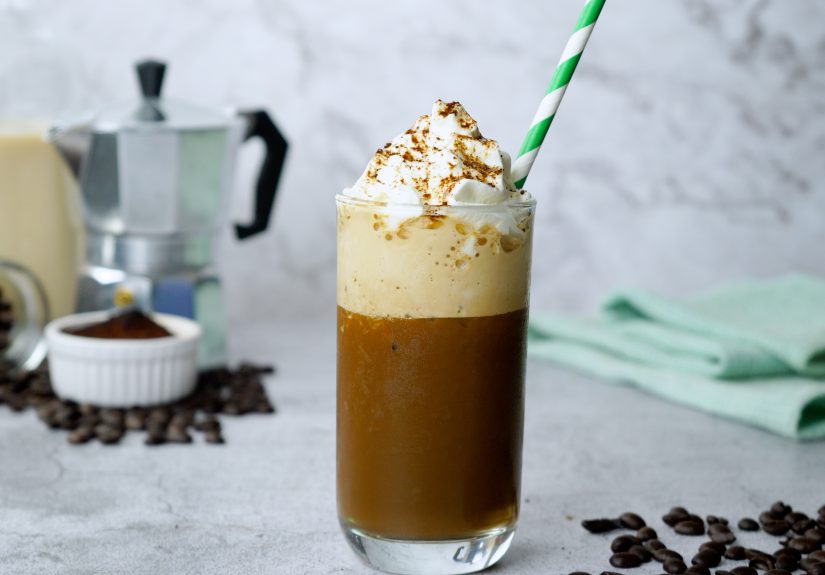
Instant Iced Coffee in Under a Minute
Here’s a quick method that works when you want cold coffee nownot “after it chills for an hour.”
- In a glass, add 1–2 teaspoons instant coffee.
- Add 2 tablespoons warm water and stir until fully dissolved.
- Add ice (fill the glass about 2/3).
- Top with cold water or milk. Stir again. Taste. Adjust.
If you want it sweeter, use liquid sweetener or simple syrup so it blends evenly in a cold drink.
Troubleshooting: Fix the Most Common Instant Coffee Problems
“It tastes bitter.”
- Use slightly cooler water (let boiling water sit for a minute).
- Try a little more water or a bit less instant coffee.
- Add a splash of milk or a tiny pinch of salt to soften sharpness.
“It tastes weak.”
- Add 1/2 teaspoon more instant coffee.
- Use less wateror switch to milk for a stronger, creamier body.
“It won’t dissolve / it’s gritty.”
- Use the “coffee paste” method (Step 3).
- Stir longer than you think you need to. Instant coffee can be dramatic.
“My iced coffee tastes watered down.”
- Use less water and more milk, or make it slightly stronger before adding ice.
- Try coffee ice cubes (freeze leftover coffee in an ice tray).
“It tastes kind of… stale.”
- Store instant coffee sealed tightly in a cool, dry place.
- If it’s been open forever, consider replacing it. Convenience shouldn’t taste like regret.
Instant Coffee “Level-Ups” That Still Keep It Simple
Once you’ve nailed the basic cup, try one of these easy variations that stay in the “minimal effort” lane:
1) Quick Café Au Lait
Dissolve instant coffee with a small splash of water, then add hot milk instead of hot water.
The result is smoother and more comfortinglike your mug got a cozy sweater.
2) Whipped Coffee (Dalgona-Style)
In a bowl, whisk equal parts instant coffee, sugar, and hot water until fluffy (a frother helps).
Spoon over milk and ice. It’s sweet, foamy, and wildly satisfying to make.
3) Shaker-Style Foamy Iced Coffee
Put instant coffee, a little water, and sweetener in a jar with a lid. Shake hard for 20–30 seconds,
then pour over ice and top with milk or water. It’s like making a tiny coffee cocktailminus the hangover.
FAQ: Instant Coffee Questions People Actually Ask
Does instant coffee have caffeine?
Yes. The exact caffeine depends on the brand and how much you use, but instant coffee generally has less caffeine per cup
than many brewed coffees. If you’re caffeine-sensitive, start with a smaller amount and adjust.
Can I make instant coffee with milk instead of water?
Absolutely. Dissolve the instant coffee in a tablespoon or two of water first, then add hot milk. This prevents clumps
and helps it blend smoothly.
Can I dissolve instant coffee in cold water?
Sometimes yes, but it depends on the instant coffee’s texture and how cold your liquid is.
For the smoothest results, dissolve it in a small amount of warm water first, then cool it down with ice and cold milk or water.
Is instant coffee “bad” for you?
For most people, instant coffee is fine in moderationjust like brewed coffee. If you’re pregnant, managing a medical condition,
or very sensitive to caffeine, it’s smart to check with a healthcare professional about what amount is right for you.
Conclusion
Making great instant coffee isn’t about pretending it’s something it’s not. It’s about using a few small, smart steps:
measure your coffee, use nicely hot water, dissolve it properly, and customize it the way you like. In other words:
stop treating instant coffee like a last resort and start treating it like a quick tool that can still taste good.
And if anyone side-eyes your mug because it wasn’t made with a $400 espresso machine, just smile politely.
You’ll be done drinking your coffee before they’ve even finished preheating theirs.
Experiences: What I’ve Learned Making Instant Coffee the “Real Life” Way
I used to treat instant coffee like the emergency flashlight of the beverage world: necessary in a pinch, not exactly
something you brag about. My first instant coffee “era” happened during a streak of early mornings when I had exactly
two goals: (1) become awake, and (2) do it without washing more than one dish. Instant coffee delivered on the second
goal every time. The first goal… depended on whether I’d accidentally used “a little extra” and created a mug that tasted
like toasted bitterness with ambition.
The biggest breakthrough came when I stopped dumping boiling water straight onto the dry granules. That one changemaking
a small coffee paste firstturned my cup from sharp and inconsistent to surprisingly smooth. It felt like discovering a
secret menu item, except the secret was “stir properly.” I started doing it automatically, even half-asleep, because it
was faster than recovering from a gritty sip later.
I also learned the hard way that “instant” doesn’t mean “invincible.” Leave the jar open near a steamy stove long enough,
and the granules start acting like they’re auditioning to be sidewalk chalk. After a while, the flavor goes dull, and no
amount of cream can resurrect it. Now I keep instant coffee sealed tight and away from moisture, which sounds fussy until
you realize it takes the same effort as… closing the lid. Life-changing, I know.
Iced instant coffee was another pleasant surprise. I assumed it would always taste watery, like coffee had a weak handshake.
But dissolving the instant coffee in a small amount of warm water first, then pouring it over ice and milk, made a huge
difference. Suddenly I had a cold coffee that tasted intentionallike I had a planrather than something I assembled in a
hurry because the sun existed and I was already sweating.
The fun part is how easily instant coffee slips into “coffee shop vibes” without the coffee shop bill. A pinch of cinnamon
makes it feel warmer and rounder. A little cocoa turns it into an easy mocha. And if you ever want to feel ridiculously
accomplished, shake instant coffee with a bit of water and sweetener in a jar until it foams. It’s oddly satisfying, like
you just invented a trendy drink, even though you mostly invented “arm workout.”
These days, instant coffee is my dependable backup and my travel hero. Hotels, road trips, busy mornings, afternoons when
I want a small pick-me-up without brewing a whole potinstant coffee covers it. The key is respecting it just enough to
make it properly. Measure. Use good water. Dissolve it well. Then customize like you’re the barista. Because you are.
You just happen to work from home and accept payment in the form of your own happiness.