Table of Contents >> Show >> Hide
- Before You Start: Safety First
- Method 1: Use Soap, Oil, and Gentle Scrubs (Best First Try)
- Method 2: Use Household Liquids to Break Down the Stain
- Method 3: Heavy-Duty Cleaners and Solvents (Use with Caution)
- When You Should Call a Doctor or Poison Control
- How to Prevent Wood Stain on Skin Next Time
- FAQs About Removing Wood Stain from Skin
- Real-Life Experiences: What Actually Works in the Workshop
- Conclusion
No matter how careful you are with that can of walnut stain, sooner or later your hands end up
looking like they belong to a comic-book villain. The good news: you don’t have to spend a week
explaining to coworkers why your fingers are brown. With the right products (most of them already
in your kitchen or bathroom), you can safely get wood stain off skin without scrubbing yourself
into oblivion.
This guide walks you through three effective ways to remove wood stain from your skin, plus safety
tips, prevention tricks, and real-life experiences from DIYers who’ve been there. Whether you’re
dealing with fresh, still-tacky stain or a dried-on, “oh no, I forgot about that” mess, there’s a
method here that will help.
Before You Start: Safety First
Wood stainsespecially oil-based formulasoften contain solvents and volatile organic compounds
(VOCs) that can irritate skin and cause more serious symptoms if you’re overexposed. Manufacturers
and safety organizations warn that contact with stain and related solvents can lead to irritation,
headaches, dizziness, and, with prolonged or heavy exposure, more serious health issues.
Keep these safety rules in mind before you start cleaning up:
- Work in a well-ventilated areaoutdoors or near open windows and doors.
- Avoid harsh solvents if you have cuts, rashes, or very sensitive skin.
- Never use paint stripper or methylene-chloride–based removers on skin.
- Do a quick patch test with stronger products (like mineral spirits or acetone) on a small area.
- If your skin burns, blisters, or you feel dizzy or sick, rinse with water and seek medical help.
Method 1: Use Soap, Oil, and Gentle Scrubs (Best First Try)
For most people and most stains, the easiest and safest approach is a combination of warm soapy
water, a little oil, and a gentle abrasive like baking soda or sugar. Many woodworkers and DIYers
rely on dish soap, cooking oil, and a bit of elbow grease to lift oil-based stain from skin.
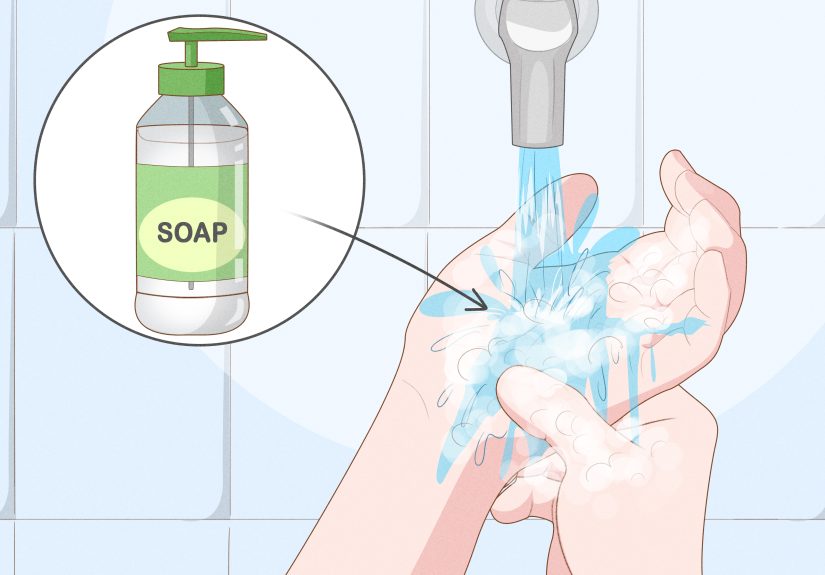
Step 1: Start with Warm Soapy Water
If the stain is still fresh and tacky, move quickly. The longer it sits, the more it bonds to
your skin’s natural oils.
- Rinse the stained area under warm (not hot) running water.
- Apply a generous amount of liquid dish soap to your hands or a soft cloth.
- Massage the soap into the stained skin for 30–60 seconds.
- Rinse and repeat 2–3 times. Each round removes a bit more.
Sometimes, especially with water-based stain, this alone is enough to take most of the color off
your skin.
Step 2: Add Oil to Loosen the Stain
Oil-based stains cling to your skin because they’re, well, oily. Using another oil helps float
the stain away. DIYers often use vegetable oil, olive oil, or even baby oil to gently dissolve
stain residue.
- Dry the area lightly with a towel so it’s not dripping wet.
- Pour a small puddle of cooking oil or baby oil into your palm.
- Rub the oil into the stained skin for 1–2 minutes, like lotion.
- Let it sit for another minute to break down the stain.
- Wipe with a paper towel or cloth, then wash again with dish soap and warm water.
You can repeat this “oil then soap” cycle a few times. It’s much kinder to your skin than going
straight to harsh solvents.
Step 3: Use a Gentle Scrub (Baking Soda, Sugar, or Salt)
For stubborn patchesknuckles, fingernails, or calloused spotsa gentle scrub can give you the
extra friction you need without sandblasting your skin.
- Mix 1–2 teaspoons of baking soda or sugar with a squirt of dish soap or oil.
- Massage the paste over the stained area in small circles for 30–60 seconds.
- Rinse well and check your progress.
Avoid scrubbing broken skin, and don’t use extremely rough abrasives (no sandpaperyes, people
have tried).
Step 4: Rinse and Moisturize
Once the stain is mostly gone, rinse thoroughly and apply a moisturizer or hand cream. Stain and
soap can strip away your skin’s natural oils, leaving it dry and tight.
Method 2: Use Household Liquids to Break Down the Stain
When basic soap and oil don’t do the trick, some common household products can help dissolve
remaining stain, especially water-based or partially dried-on marks. Rubbing alcohol, hand
sanitizer, white vinegar, lemon juice, and even makeup remover can all help loosen wood stain
from skin.
Option 1: Rubbing Alcohol or Hand Sanitizer
Rubbing alcohol (isopropyl alcohol) is a strong solvent that helps dissolve pigments and resins
in stain. Many guides also recommend alcohol-based hand sanitizer for small spots, since it’s
easy to apply and rinse away.
- Apply a small amount of rubbing alcohol or hand sanitizer to a cotton pad or tissue.
- Gently rub the stained area for 20–30 seconds.
- Rinse with warm water and wash with mild soap.
- Repeat if needed, but stop if your skin stings or feels irritated.
Use this sparinglyalcohol can be drying and irritating, especially if your skin is already
sensitive.
Option 2: White Vinegar or Lemon Juice
Mild acids like white vinegar and lemon juice can help break down stain components and lighten
discoloration. They’re popular home remedies for both wood and skin stains.
- Soak a cotton pad or soft cloth in white vinegar or lemon juice.
- Press it onto the stained area and hold for 30–60 seconds.
- Rub gently in circles to lift the stain.
- Rinse and follow up with soap and water.
Lemon juice can sting if you have small cuts, and both vinegar and lemon can dry out skin, so
moisturize afterward.
Option 3: Makeup Remover or Cleansing Oil
Some skincare-focused guides suggest using oil-based makeup remover or cleansing oils to remove
wood stain from hands. These products are designed to dissolve long-wearing pigments while being
gentle on skin.
- Apply a small amount of makeup remover or cleansing oil to the stained skin.
- Massage for 1–2 minutes, focusing on darker areas.
- Wipe with a cotton pad and rinse with warm water and mild soap.
Method 3: Heavy-Duty Cleaners and Solvents (Use with Caution)
For really stubborn oil-based stains that have dried into your skin, you may need to bring in
stronger products like mineral spirits, commercial hand cleaners, or (as a last resort) acetone.
These can work well, but they’re harsher and should be used sparingly and safely.
Option 1: Mineral Spirits or Paint Thinner
Mineral spirits (also called white spirits or paint thinner) are commonly used to clean brushes
and drips from oil-based stain, and many DIY resources mention them as an effective way to remove
stain from skinif you’re careful.
- Work outside or in a very well-ventilated area.
- Pour a small amount of mineral spirits onto a clean ragdo not soak your hands in a bowl.
- Gently dab and wipe the stained area, working in short passes.
- As soon as the stain lightens, stop and wash thoroughly with soap and warm water.
- Apply a rich hand cream afterward to replenish moisture.
Because mineral spirits can irritate skin and are absorbed in small amounts, safety data sheets
recommend minimizing direct contact and avoiding repeated or prolonged exposure.
Option 2: Pumice or Commercial Hand Cleaners
Many mechanics and woodworkers keep gritty, waterless hand cleaners on hand. These products often
combine mild solvents with pumice or other abrasives and are specifically made for removing grease,
oil, and industrial grime from skin.
- Apply a small amount of hand cleaner to dry, stained skin.
- Rub your hands together for 30–60 seconds.
- Add a little water and continue scrubbing.
- Rinse thoroughly and moisturize.
Follow the instructions on the label, and avoid these if your hands are cracked or already
irritated.
Option 3: Acetone or Nail Polish Remover (Last Resort)
Acetone-based nail polish remover can dissolve stubborn pigments in stain, but it’s harsh and
drying and can irritate skin quickly. Several DIY articles place it near the bottom of their
recommendation lists for that reason.
- Choose an acetone-based remover and dampen a cotton ball or swab.
- Lightly rub only the most stubborn spots for a few seconds at a time.
- Rinse immediately with soap and water.
- Do not soak your hands or leave acetone on skin for long periods.
If your skin starts to burn or redden quickly, stop, rinse with plenty of water, and switch to a
gentler method.
When You Should Call a Doctor or Poison Control
Most small skin stains are more annoying than dangerous, but some situations need professional
advice. Poison control and medical references note that liquid stain and solvents can cause
chemical burns, deeper tissue damage, and systemic symptoms if exposure is heavy or prolonged.
Seek medical help or call poison control if:
- Your skin is blistered, very red, or painful after contact with stain or solvent.
- You accidentally swallowed stain or solvent (do not make yourself vomit).
- You feel dizzy, extremely tired, confused, or short of breath while using stain.
- Symptoms (rash, burning, swelling) keep getting worse over several hours.
How to Prevent Wood Stain on Skin Next Time
The easiest way to get stain off skin is not to get it on there in the first place. Occupational
health guidance for woodworking emphasizes using protective gear and minimizing skin contact with
solvents and wood chemicals whenever possible.
- Wear gloves: Nitrile or chemical-resistant gloves are better than thin, torn latex.
- Cover up: Long sleeves and old clothes keep splashes off your arms and legs.
- Use brushes and rags, not bare hands: Resist the urge to “just smooth it with your finger.”
- Set up a stain zone: Keep your stain, rags, and drop cloth contained in one area.
- Keep cleanup supplies ready: Dish soap, oil, and a clean towel should be within arm’s reach.
FAQs About Removing Wood Stain from Skin
Will the stain eventually wear off by itself?
Yes. If the stain is light and your skin isn’t irritated, it will gradually fade over several
days as your skin naturally exfoliates. Some DIYers prefer to just keep washing with gentle soap
rather than using strong solvents, especially if the stain doesn’t bother them.
Is it okay to use paint stripper on my hands?
No. Paint strippers and strong chemical removers are designed for wood and metal, not skin. Many
contain chemicals that can burn skin or be absorbed into your bloodstream. Stick to the milder
methods above and call a medical professional if you think you’ve had a serious exposure.
What’s the safest option if I have sensitive skin?
Start with warm soapy water, then try cooking oil, baby oil, or an oil-based makeup remover.
Avoid alcohol, acetone, and mineral spirits unless absolutely necessary, and stop immediately if
your skin burns or turns very red.
Can I use a scrub pad or steel wool on my hands?
Hard pass. While they’ll definitely remove the stain, they may remove half your skin too. Stick
with baking soda, sugar, or a commercial hand cleaner designed for skin.
Real-Life Experiences: What Actually Works in the Workshop
Guides and safety sheets are helpful, but there’s something reassuring about hearing what real
people actually use when they’re standing in the garage wondering why their hands look like
they’ve been dipped in espresso. Across forums, blogs, and DIY sites, a few clear favorites come
up again and again: dish soap, cooking oil, mineral spirits (used carefully), and a whole lot of
patience.
Picture this: you’ve just finished staining a set of outdoor chairs. You wore gloves… mostly.
About halfway through, one glove tore and you “just kept going” because, of course, you were
almost done. Now there’s a patchy brown stain across your palm and streaks along your wrist.
You try a quick rinse with water and realize the stain isn’t going anywhere. This is exactly
where the soap-and-oil combination shines.
Many woodworkers report that liquid dish soapespecially formulas marketed for cutting grease
is their first line of defense. They lather up a few times, rinse, and then switch to oil.
Olive oil or vegetable oil massaged into the stain softens the pigment and helps it lift away
from the skin. When they follow with another round of soap, they’re often surprised at how
much color comes off in just a couple of cycles.
For others, the “secret sauce” is a DIY scrub. One hobbyist might mix sugar and dish soap in a
cup, creating a gritty paste that feels a bit like a store-bought mechanic’s hand cleaner.
Another swears by baking soda mixed with a little water and oil. These pastes provide just
enough friction to lift stain from knuckles and fingertips without shredding your skin like a
scouring pad would. Over a few minutes of gentle scrubbing, the stain fades from “yikes” to
“barely noticeable.”
When the stain is really stubbornlike oil-based stain that dried while you were cleaning your
brushessome people cautiously move up to mineral spirits. They don’t soak their hands; instead,
they dampen a cloth, wipe the worst spots, and then rush to wash everything off with soap and
water. Most describe this as a “break glass in case of emergency” method, not something to do
every time, and they’re quick to mention that ventilation and moisturizers are non-negotiable
afterward.
There are also plenty of creative, slightly odd-sounding success stories. Some DIYers have used
peanut butter (oil + mild abrasives from the nuts), others mention baby wipes or micellar
water, and a few rely on lemon juice and salt when they’re already in the kitchen. These
methods might not be as fast as mineral spirits, but they feel less intimidating and often
smell a lot better.
The common thread in all these experiences is a layered approach: start gentle, repeat as
needed, and only bring in the heavy-duty stuff if the stain truly refuses to budge. Almost
everyone agrees that trying to scrub the stain off in one furious session is a recipe for
sore, angry skin. Slow, patient cleaningwith breaks, moisturizer, and a bit of humor about
the whole situationis usually enough to get your skin back to normal.
Over time, frequent DIYers also develop a kind of stain “intuition.” They learn that if they
clean up splashes right away, the stain rarely becomes a problem. They keep gloves and soap
nearby, treat wood stain with the same respect they’d give any chemical, and accept that a
faint tint on their fingers now and then is just part of the maker’s uniform. If you’re just
starting out, you’ll probably go through the same learning curvebut with the methods in this
article, at least you won’t have to go to work on Monday looking like you lost a thumb war
with a can of mahogany.
Conclusion
Getting wood stain off skin doesn’t have to be a painful scrubfest. Start with the gentle
basicswarm water, soap, and oilthen step up to household solvents like rubbing alcohol or
vinegar if you need extra power. Reserve mineral spirits and acetone for the most stubborn
situations, and use them carefully and briefly. With a little patience and the right products,
you can keep your hands clean, your skin healthy, and your woodworking projects looking great.