Table of Contents >> Show >> Hide
- What Does “Huzz” Mean?
- Quick Definition: Huzz Meaning on TikTok
- Where Did “Huzz” Come From?
- Why Did “Huzz” Become Popular?
- How Is “Huzz” Used on TikTok?
- Is “Huzz” Offensive?
- Should You Use “Huzz”?
- Related Slang: Bruzz, Gruzz, and Chuzz
- Why Parents, Teachers, and Creators Should Understand “Huzz”
- Common Mistakes About the Meaning of “Huzz”
- Experiences Related to “Huzz”: What It Feels Like in Real Online Conversations
- Final Thoughts: The Meaning of “Huzz” Is Funny, Messy, and Context-Heavy
If you have scrolled through TikTok lately and seen someone say, “I did it for the huzz,” you may have paused mid-scroll like your phone just handed you aroup chat during drama season, and “huzz” is one of those words that sounds harmless, silly, and slightly like a cartoon sneezeuntil you learn what it actually means.
So, what does “huzz” mean on TikTok? In most online slang contexts, “huzz” is a stylized, meme-friendly version of “hoes,” usually used to refer to girls or women. It became popular through streamer culture, especially around Twitch and TikTok clips, and later spread into memes, captions, comments, and school hallway vocabulary. The word can be used jokingly, but it can also come across as rude, sexist, or objectifying depending on who says it, how they say it, and who they are talking about.
This guide breaks down the meaning of huzz, where it came from, how people use it on TikTok, why it became popular, and when it is better to leave it in the internet recycling bin.
What Does “Huzz” Mean?
Huzz is internet slang that generally means “hoes,” a casual and often disrespectful slang word for women or girls. On TikTok, people often use “the huzz” to refer to girls they want to impress, flirt with, or look cool around. Think of it as one of those words that sounds goofy enough to be a joke but still carries a not-so-great meaning under the hoodie.
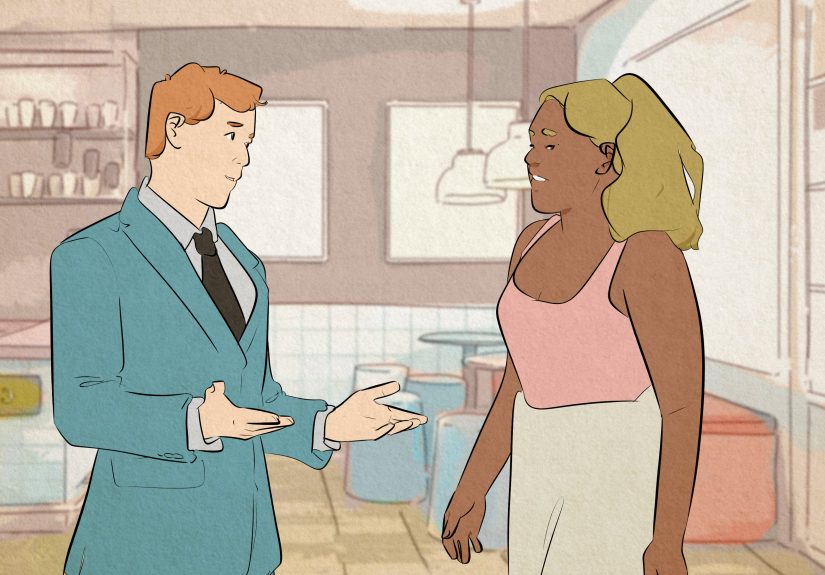
For example, someone might post a video showing a guy suddenly acting confident, stylish, or ridiculous when girls are nearby, with the caption: “Bro switched up in front of the huzz.” In that sentence, “the huzz” means the girls watching him.
In softer teen usage, some people also use “huzz” to mean a crush, romantic interest, girlfriend, or someone they are trying to impress. However, its most widely recognized origin is still connected to the word “hoes,” so it is not exactly something you would put on a Valentine’s Day card unless you enjoy chaos.
Quick Definition: Huzz Meaning on TikTok
| Term | Meaning | Common Context |
|---|---|---|
| Huzz | A slang version of “hoes,” usually referring to women or girls | TikTok captions, memes, streamer clips, comments |
| The huzz | A group of girls or women someone wants to impress | “He changed his voice in front of the huzz.” |
| For the huzz | Doing something to impress girls | Fitness, fashion, dancing, showing off |
| In front of the huzz | Acting differently when girls are present | Comedy videos and reaction memes |
Where Did “Huzz” Come From?
The origin of “huzz” is tied to online creator and streamer culture. The term became especially associated with Twitch streamer Kai Cenat, whose clips and phrases often travel from livestreams to TikTok faster than a rumor in a lunchroom. Around 2023, clips using phrases like “for the huzz” and “anything for the huzz” began spreading. By 2024 and 2025, TikTok users had turned the word into a flexible meme format.
The word itself works because it sounds like a deliberately distorted version of “hoes.” That spelling change gives it a goofy, internet-brainrot flavor. It is not just a word; it is a performance. Saying “huzz” instead of the original word makes it feel more meme-like, less direct, and more likely to fit into TikTok’s strange comedy rhythm.
The Role of Streamers and TikTok Clips
Modern slang often does not begin in a dictionary. It begins in a clip. A streamer says something funny. Someone reposts it. Another person captions it. A third person makes a reaction video. By the time adults discover it, the teens are already pretending the word is ancient history.
That is basically what happened with huzz. Streamer clips helped popularize the pronunciation and vibe. TikTok then did what TikTok does best: chopped it into short videos, remixed it, exaggerated it, and turned it into captions people could apply to almost anything.
Why Did “Huzz” Become Popular?
“Huzz” became popular because it checks several boxes that make slang spread online. It is short. It sounds funny. It can be used in jokes. It has a slightly forbidden edge. It also fits into the larger trend of altered spellings and “algospeak,” where people change words to sound less direct or to avoid platform moderation.
TikTok users love words that create instant group identity. If you understand the phrase, you are “in” on the joke. If you do not, you are left staring at your screen like you accidentally opened a secret menu at a restaurant.
It Sounds Funny
Part of the appeal is the sound. “Huzz” is blunt, bouncy, and absurd. It belongs to the same neighborhood as words like “rizz,” “gyatt,” “bruzz,” and “gruzz.” These words are not popular because they are elegant. They are popular because they sound like they were created during a sleepover at 2:17 a.m.
It Fits Meme Templates
Another reason huzz spread is that it works in reusable phrases. TikTok loves repeatable language. Once a phrase like “in front of the huzz” becomes recognizable, creators can apply it to videos about sports, school, outfits, gym behavior, awkward flirting, or someone suddenly developing a dramatic walk when girls appear.
It Feels Like Algospeak
Algospeak refers to altered words people use online to avoid direct language that might be flagged, filtered, or demonetized by platforms. While not every use of “huzz” is about bypassing moderation, the altered spelling gives it that same coded feeling. It is a softer-looking version of a harsher word, even if the meaning has not fully changed.
How Is “Huzz” Used on TikTok?
On TikTok, “huzz” usually appears in captions, comments, and meme text. It is often used to describe someone trying too hard to look attractive, cool, brave, rich, stylish, or funny around girls. In other words, it is a word built for roasting people gentlyor not so gently.
Example 1: Trying to Impress Girls
“Bro wore cologne to gym class for the huzz.”
Translation: He is trying to smell good because girls might notice him. The joke is that the effort feels obvious.
Example 2: Acting Different Around Girls
“He started talking in lowercase until the huzz walked in.”
Translation: He suddenly changed his personality when girls entered the room. Classic sitcom behavior, but now with Wi-Fi.
Example 3: Doing Something Dramatic
“Anything for the huzz.”
Translation: Someone is doing something extra, risky, silly, or embarrassing because they want attention from girls.
Example 4: Group Reference
“Where the huzz at?”
Translation: Where are the girls? This is one of the more direct uses and also one of the reasons the term can sound disrespectful.
Is “Huzz” Offensive?
Yes, it can be. While many people use “huzz” jokingly, the word comes from a term that has long been used to disrespect women. That matters. Changing the spelling does not magically put a tuxedo on the meaning.
Some people may hear “huzz” as silly internet nonsense. Others may hear it as objectifying or insulting. Both reactions are possible because slang depends heavily on context. A group of close friends joking privately may treat it differently than someone using it to describe strangers, classmates, coworkers, or women in general.
A good rule is simple: if the person being described would not laugh with you, do not use it about them. Humor is not a free pass to turn people into props for a punchline.
Should You Use “Huzz”?
If you are writing a TikTok caption, commenting under a meme, or trying to understand what younger users are saying, knowing the meaning of huzz is useful. But using it yourself requires caution. The word can make you sound current in one setting and disrespectful in another.
Use it only if you clearly understand the tone and audience. Even then, it is safer to avoid using it to refer to real people, especially girls or women who have not agreed to be part of the joke. The internet is already full of words doing too much. We do not need to send every syllable to the gym.
Better Alternatives
If you want a less rude way to express the same idea, try words like “crush,” “girls,” “people I want to impress,” “the audience,” or “romantic interest.” They may not sound as meme-ready, but they also will not make your sentence walk into the room wearing red flags as accessories.
Related Slang: Bruzz, Gruzz, and Chuzz
Once “huzz” became popular, TikTok did what it always does: it made cousins. Several related “-uzz” words started appearing in comments and videos.
- Bruzz: A slangy variation connected to “bros” or male friends.
- Gruzz: A joking term sometimes used for older people, connected to grandma or grandpa language.
- Chuzz: A harsher blend of “chopped” and “huzz,” often used to insult someone’s appearance.
These variations show how TikTok slang spreads through patterns. Once users understand the formula, they start building new words like they are playing linguistic Lego. Some creations are funny. Some are mean. Some should probably be returned to the factory.
Why Parents, Teachers, and Creators Should Understand “Huzz”
Understanding TikTok slang is not about trying to become the “cool adult.” In fact, aggressively using teen slang is one of the fastest ways to make a room spiritually evaporate. The real value is knowing what the words mean so conversations do not get lost in translation.
For parents and teachers, “huzz” can be a small window into how students talk about attention, dating, status, gender, and humor online. For creators, it is a reminder that slang may drive engagement, but it can also shape how audiences perceive your tone. If a word punches down, the joke may not land the way you think it will.
For teens and young adults, understanding the origin helps you decide whether a word fits your values. Not every viral term deserves a permanent spot in your vocabulary. Some words are like expired milk: popular in the fridge for a while, but risky once opened.
Common Mistakes About the Meaning of “Huzz”
Mistake 1: Thinking It Always Means “Crush”
Some users interpret huzz as a crush, girlfriend, boyfriend, or romantic partner. That softer meaning exists in some circles, but it is not the main origin. The broader internet meaning is still connected to “hoes,” so context matters.
Mistake 2: Thinking It Is Always Harmless
Because the word sounds silly, people may assume it has no bite. But words can wear clown shoes and still step on someone’s feelings. “Huzz” can be offensive when used to reduce women to objects of attention.
Mistake 3: Using It in Professional or Public Writing
Unless you are explaining the term, “huzz” does not belong in school essays, workplace messages, brand captions, or professional content. Imagine a company posting, “New summer collection for the huzz.” That sound you hear is the marketing team sprinting toward the delete button.
Experiences Related to “Huzz”: What It Feels Like in Real Online Conversations
One of the most interesting things about “huzz” is how quickly people can use it without fully understanding it. A person might hear the word in a funny TikTok, repeat it in a caption, and assume it simply means “girls” or “people I want to impress.” That is how internet language often travels: first as sound, then as joke, then as identity, and only later as meaning. By the time someone asks, “Wait, what does that actually mean?” the word may already be sitting comfortably in comment sections wearing sunglasses.
In real online conversations, “huzz” often appears when someone is teasing a friend for trying too hard. For example, a teen might post a video of his friend fixing his hair before walking past a group of girls and caption it, “Anything for the huzz.” The joke is not just about girls being present. It is about performance. The person is suddenly acting like the main character in a cologne commercial, even though five minutes earlier he was eating chips like a raccoon with homework.
That is why the word connects so strongly to TikTok humor. TikTok is obsessed with noticing tiny behavior changes: the voice someone uses around a crush, the walk someone does when they feel attractive, the outfit upgrade before a party, the way a person becomes strangely polite when someone cute is nearby. “Huzz” gives users a shorthand for that social performance. It says, “Ah, I see what is happening here. You are not doing this for personal growth. You are doing this because the audience changed.”
At the same time, the experience can turn uncomfortable. If someone uses “huzz” to describe real girls in a dismissive or disrespectful way, the joke stops feeling clever and starts feeling lazy. A girl hearing classmates refer to her and her friends as “the huzz” may not feel included in a meme. She may feel reduced to background scenery in someone else’s joke. That is the part many slang explainers miss: a word can be funny to the speaker and still annoying, rude, or demeaning to the person being described.
Another common experience is generational confusion. Parents may hear “huzz” and assume it is short for “husband.” Teachers may think it is a typo. Older siblings may understand it immediately and refuse to explain because watching confusion unfold is apparently a recreational activity. This confusion is part of why the word spreads. The mystery itself creates engagement. People comment, ask questions, make explainers, and suddenly one strange syllable has become a full internet event.
The best way to handle “huzz” is to understand both layers: the meme layer and the meaning layer. On the meme layer, it is a goofy TikTok word used in jokes about showing off. On the meaning layer, it comes from a term many people consider disrespectful toward women. Knowing both helps you decide when the word is just part of a joke, when it is better avoided, and when it is worth calling out. In other words, enjoy the internet dictionary tourbut do not let every trending word move into your vocabulary rent-free.
Final Thoughts: The Meaning of “Huzz” Is Funny, Messy, and Context-Heavy
“Huzz” is a perfect example of how TikTok slang works in the modern internet era. It is short, weird, memeable, and slightly confusing. It came from streamer culture, spread through TikTok, and became part of a larger family of “-uzz” slang words. Its basic meaning is a stylized version of “hoes,” usually referring to girls or women, especially in situations where someone is trying to impress them.
But the word is not neutral. It can be playful in some meme contexts, yet disrespectful when used carelessly. The safest approach is to understand it, recognize it, and think twice before using it about real people. TikTok slang may change every week, but respect does not need a software update.
Note: This article explains the meaning, origin, and usage of “huzz” for educational and cultural context. Because the term can be rude or objectifying, it is best used carefully, if at all.