Table of Contents >> Show >> Hide
- Why This Art Hanger Feels So Fresh
- What Sets 2nd Shift Design Apart
- Who This Kind of Frame Is Perfect For
- How to Style an Instant Art Hanger Beautifully
- Why This Look Works in Modern Homes
- Things to Know Before You Hang One
- The Real Charm: Instant, But Not Disposable
- A Longer Take: What It Feels Like to Live With an Instant Art Hanger
- Conclusion
Some home products try way too hard. They arrive with ten pieces of hardware, a folded instruction sheet that reads like a tax form, and a promise to “transform your space” that feels a little emotionally aggressive for a wall accessory. Then there are the rare pieces that simply make sense. That is the magic of the art hanger from 2nd Shift Design: it feels immediate, useful, and quietly refined all at once.
If you have ever bought a beautiful print and then let it live in a cardboard tube for six months because custom framing felt expensive, slow, or weirdly stressful, this kind of hanger frame solves a very real decorating problem. It gives artwork presence without swallowing it in glass, heavy molding, or unnecessary fuss. The result is a display that looks thoughtful without looking overdone, which is basically the sweet spot for modern decorating.
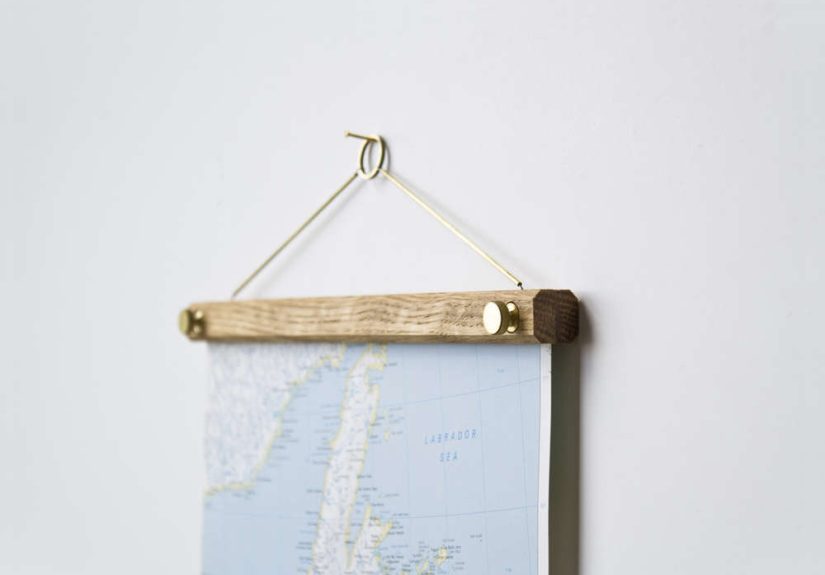
The appeal of the 2nd Shift Design version is that it brings together two things homeowners and renters both love: speed and style. It is an instant way to hang art, but it does not look temporary or cheap. Quite the opposite. Its clean silhouette, warm wood, and brass details make it feel more like a considered design object than a last-minute workaround.
Why This Art Hanger Feels So Fresh
At first glance, the concept is simple: two slim bars secure the artwork at the top and bottom, allowing the piece to hang straight and read cleanly against the wall. But simplicity is exactly why it works. Traditional frames often add visual weight. This one adds structure without stealing attention from the art itself.
That difference matters. In rooms where you want an airy, edited look, a bulky frame can make a poster feel formal or dated. A hanger frame keeps the presentation lighter. It lets the paper, texture, and scale of the artwork stay visible. In other words, it frames without doing a dramatic solo in the middle of the song.
The 2nd Shift Design take is especially compelling because it leans into material contrast. Wood brings warmth. Brass adds a little polish. Together, they create a modern-but-not-cold look that works with Scandinavian, Japandi, minimal, rustic, and even eclectic interiors. It is elegant in the way a really good white shirt is elegant: uncomplicated, versatile, and somehow always right.
What Sets 2nd Shift Design Apart
Plenty of poster hangers exist, but not all of them feel elevated. Some look flimsy. Others read as dorm room leftovers. The 2nd Shift Design version earned attention because it bridged utility and craftsmanship so well. Its proportions are restrained, the hardware feels intentional, and the lower bar helps the artwork hang flat instead of curling into a sad paper scroll.
That last detail is more important than it sounds. One of the biggest challenges with maps, posters, and unframed prints is that they want to do their own thing. Corners lift. Paper bows. The piece never quite settles. A well-designed hanger frame solves that problem by giving the art enough tension and enough weight to feel finished.
There is also something charming about the way this style nods to old pull-down school maps. That reference gives the hanger a hint of nostalgia, but the finish keeps it contemporary. It feels familiar and new at the same time, which is often what the best home design pieces do.
Who This Kind of Frame Is Perfect For
Renters Who Want Personality Without a Construction Project
If you rent, you already know the emotional roller coaster of making a temporary space feel like home. You want character, but you do not want to lose your deposit over a wall full of adventurous holes. An elegant art hanger is ideal because it makes a big visual impact with a relatively simple installation. Pair it with removable hanging solutions where appropriate, and you get style without the landlord side-eye.
Collectors of Prints, Posters, and Textile-Like Paper Goods
This format works especially well for oversized prints, maps, art posters, photographic reproductions, and lightweight paper pieces that do not need deep mats or glazing. It is also great for rotating collections. If you like switching art seasonally, swapping out a print in a hanger frame is much less painful than dismantling a conventional frame every few months.
People Who Prefer Relaxed Rooms Over Formal Ones
Not every room needs museum-level seriousness. In fact, many rooms feel better when they look collected rather than curated within an inch of their life. A hanger frame brings that casual sophistication. It says, “Yes, I care about design,” but it also says, “No, I do not need this hallway print to behave like a priceless Renaissance panel.”
How to Style an Instant Art Hanger Beautifully
The easiest way to make this kind of display look polished is to think about scale first. Art should feel connected to the room, not stranded in the middle of a blank wall like it missed its ride home. Above a sofa, console, or bed, the piece should have enough width to relate to the furniture below it. A slim hanger frame is visually light, so size matters even more than it does with chunkier framed art.
Placement matters, too. In most rooms, art looks best when its center lands around eye level. That classic rule exists for a reason: it makes the piece easy to see and helps the room feel balanced. When hanging above furniture, keep the artwork visually anchored by leaving a modest gap rather than floating it too high. Too much space and the art starts looking disconnected, like it is trying to move out.
These hanger frames also shine in small or awkward spaces. Think entryways, narrow walls between windows, a breakfast nook, the side of a bookcase, or that random sliver of wall in a bedroom that has been blank since 2022 because nobody knows what to do with it. Their slim profile keeps them from overwhelming tight quarters, while the hanging cord or brass detail adds vertical interest.
If you are building a gallery arrangement, use one hanger frame as the relaxed element among more conventional pieces. The contrast keeps a wall from feeling too matchy-matchy. If you want a more cohesive look, repeat the wood tone in other frames nearby, or echo the brass in a lamp, mirror, or hardware. Design likes a callback almost as much as a sitcom does.
Why This Look Works in Modern Homes
One reason the 2nd Shift Design hanger frame feels enduring is that it reflects a broader shift in how people want to live with art. Today’s interiors often favor flexibility, personality, and material honesty over rigid formality. People want pieces they can move, update, and actually enjoy. They want homes that feel layered but not cluttered, personal but not chaotic.
This style of art hanger fits that mood perfectly. It makes room for imperfection. A slightly deckled edge, a vintage map, a bold poster, or a black-and-white photograph all look comfortable here. The frame does not insist on perfection; it simply supports the work. That makes it especially appealing for homes that mix high and low, old and new, polished and handmade.
There is also a practical reason the style remains relevant: custom framing is expensive. Beautiful, yes. Budget-friendly, not always. An elegant hanger frame offers a different kind of value. It can give a special print presence on the wall without requiring the full commitment of archival matting, UV glass, and a frame shop appointment that somehow turns into a small financial event.
Things to Know Before You Hang One
Choose the Right Art
These frames are best for lighter works on paper. Super-thick board, heavily textured pieces, or anything that absolutely requires protective glazing may be better suited to traditional framing. But for posters, maps, prints, and paper art you want to see and swap easily, this is where the hanger frame really earns its keep.
Think About Light
Because hanger frames often leave the artwork uncovered, placement matters. Avoid direct sunlight if the print is valuable or especially prone to fading. A gorgeous art moment loses some of its sparkle when the colors slowly turn into a ghost of their former selves.
Keep It Level
A minimal frame can look stunning, but it also means crookedness is immediately obvious. Use a level. Use it again. Then step back. Clean design is wonderfully unforgiving, which is a poetic way of saying the wall will absolutely rat you out if you rush.
Mind the Wall Surface
If you are hanging over brick, plaster, or a tricky rental wall, choose hardware accordingly. Lightweight art offers flexibility, but the wall still makes the rules. In some spaces, removable strips or hooks may be appropriate. In others, a more secure method is the smarter call. Good design is lovely; art crashing to the floor at 2 a.m. is not.
The Real Charm: Instant, But Not Disposable
That may be the best way to describe the 2nd Shift Design art hanger. It is quick, but it does not look rushed. It is simple, but not plain. It is functional, yet still feels special. In a market full of décor that is either too flimsy or too fussy, that balance is rare.
What makes the piece memorable is not just that it holds art. Plenty of products do that. It is that it changes the mood around the art. A poster becomes display-worthy. A map becomes sculptural. A print you have been meaning to frame “eventually” suddenly gets its moment. And your wall, without much drama, starts looking more intentional.
That is why the phrase “instant, elegant art hanger” fits so well. The instant part speaks to real life: limited time, limited budget, no desire to start a home-improvement saga. The elegant part is what elevates it from merely practical to genuinely desirable. Together, they describe a piece that solves a problem while still delivering beauty.
A Longer Take: What It Feels Like to Live With an Instant Art Hanger
Living with a piece like this is different from living with a traditional frame, and in many ways, that is the whole point. A conventional frame often feels permanent. Once the art goes in, it stays there for years because changing it feels like a chore. The hanger frame invites more movement. It makes art feel alive in the home, not locked into one identity forever.
That flexibility changes how people use their walls. A kitchen can hold a vintage produce chart in spring, a graphic travel print in summer, and a moody botanical in fall without requiring a whole production each time. A home office can rotate between inspiring photography, a favorite quote print, and a map that sparks conversation on video calls. Even a hallway can feel curated instead of forgotten because the barrier to entry is so much lower.
There is also a strangely satisfying tactile quality to it. The wood feels warm. The brass catches light in a quiet way. The paper hangs with just enough structure to feel intentional. In a world where so many household items are plastic, overbuilt, or visually loud, this kind of simplicity feels calming. You notice it, but you do not get tired of it.
Another pleasure is the way it encourages confidence. A lot of people hesitate with wall décor because they assume every art decision has to be grand, expensive, and final. An art hanger removes some of that pressure. You can try a piece. Live with it. Swap it. Move it to another room. That freedom makes decorating feel more creative and less like taking a standardized test you forgot to study for.
In practical terms, it can make a home feel more current almost immediately. One good oversized print in a beautiful hanger frame can wake up a blank wall faster than a dozen tiny decorative objects. It brings focus. It creates a focal point without clutter. And because the frame itself is restrained, the whole arrangement usually feels cleaner than a gallery wall assembled in a panic from whatever happened to be in the closet.
It also works emotionally, which sounds dramatic until you remember that art is personal. A favorite poster from a memorable trip, a map of a hometown, a print from a beloved artist, even a child’s drawing reproduced at larger scale; these pieces deserve better than tape, pushpins, or permanent exile in a drawer. The right hanger frame gives them dignity without overcomplicating the presentation.
That may be why the 2nd Shift Design version still resonates. It understands that people want beauty, yes, but they also want ease. They want objects that fit real life. They want home pieces that do not demand a toolkit, a budget meeting, and a pep talk. An instant art hanger meets that need with grace. It lets the art speak, it makes the wall feel finished, and it proves that sometimes the smartest design move is also the simplest one.
Conclusion
The 2nd Shift Design art hanger is a lesson in what good home design can do. It solves a practical problem, improves the look of a room, and makes everyday decorating feel more accessible. It is not trying to be flashy. It is trying to be useful and beautiful at the same time, and that is exactly why it stands out.
For anyone who loves art but does not love the cost, weight, or commitment of traditional framing, this kind of hanger frame is a refreshingly smart option. It offers speed without sloppiness, elegance without excess, and flexibility without sacrificing style. That is a rare trio in decorating, and it explains why this design still feels so relevant.