Table of Contents >> Show >> Hide
- Why This Vegetable Paella Recipe Works
- Ingredients for the Best Vegetable Paella
- What Equipment Do You Need?
- How To Make Vegetable Paella
- How To Tell If Your Vegetable Paella Is Done
- Best Tips for Perfect Vegetable Paella
- Common Mistakes to Avoid
- Serving Ideas for Vegetable Paella
- Common Home-Cook Experiences With Vegetable Paella
- Conclusion
There are dinners that quietly do their job, and then there is vegetable paella, which arrives at the table looking like it knows it is the main character. Golden rice, colorful vegetables, fragrant saffron, and that crispy bottom layer everybody suddenly becomes very competitive about? That is not just dinner. That is a small event.
If you have been searching for the best vegetable paella recipe, the good news is that you do not need seafood, chicken, or a dramatic outdoor fire pit to make a fantastic pan at home. You do need smart technique, the right rice, and enough confidence to stop stirring when your instincts say, “Maybe one more stir?” No. Put the spoon down. Trust the process. Paella likes a little personal space.
This guide breaks down how to make vegetable paella in a practical, home-cook-friendly way. It keeps the spirit of the classic dish while leaning into the beauty of vegetables: sweet bell peppers, earthy mushrooms, tender green beans, tomatoes, peas, and artichokes. The result is savory, bright, deeply satisfying, and impressive enough for guests, even if your guests are just your family asking why the kitchen smells amazing.
Why This Vegetable Paella Recipe Works
The best vegetarian paella is not just rice with vegetables tossed in like a polite afterthought. It is built in layers. First comes the flavor base with olive oil, onion, garlic, tomato, and paprika. Then the broth gets infused with saffron so the rice turns richly aromatic instead of merely yellow and hopeful. Finally, the vegetables are added with enough strategy to keep them tender, not mushy.
This version works because it balances three things that matter most:
- Flavor: smoked paprika, saffron, tomato, garlic, and vegetable broth create depth without needing meat.
- Texture: short-grain rice stays plump and tender while the bottom forms the coveted crispy layer known as socarrat.
- Color: bell peppers, peas, green beans, and artichokes turn the pan into something that looks restaurant-worthy, minus the restaurant bill.
It is also flexible. You can swap in seasonal vegetables, add chickpeas for more protein, or finish with lemon for brightness. In other words, this is a recipe with structure, not a tyrant.
Ingredients for the Best Vegetable Paella
Core Ingredients
- 3 tablespoons extra-virgin olive oil
- 1 medium yellow onion, finely chopped
- 1 red bell pepper, sliced
- 1 cup green beans, trimmed and cut into bite-size pieces
- 8 ounces mushrooms, sliced
- 3 cloves garlic, minced
- 1 large tomato, grated or finely chopped
- 2 tablespoons tomato paste
- 1 1/2 teaspoons smoked paprika
- 1/4 teaspoon cayenne, optional
- 1/2 teaspoon saffron threads, steeped in 2 tablespoons hot water
- 1 1/2 cups bomba rice or other short-grain rice
- 4 cups warm vegetable broth
- 1 cup artichoke hearts, halved
- 3/4 cup peas
- Salt and black pepper to taste
- Lemon wedges, for serving
- Chopped parsley, for finishing
Optional Upgrades
- 1 small zucchini, sliced
- 1/2 cup chickpeas for extra body
- Roasted red peppers for sweetness
- A spoonful of lemon aioli if you want to flirt with luxury
The rice matters more than almost anything else. If you can find bomba rice, use it. If not, another short-grain rice works better than long-grain varieties because it absorbs flavor without turning into a bland, fluffy side dish pretending to be paella.
What Equipment Do You Need?
A traditional paella pan is ideal because it is wide and shallow, which helps the rice cook in an even layer. But let us not turn this into a kitchen gear hostage situation. A large, oven-safe skillet also works well, especially for home stoves.
If you are cooking indoors, keep the pan size realistic. A huge pan on a standard burner often means the center cooks fast while the edges act confused. A 12-inch skillet is a sweet spot for many home kitchens.
How To Make Vegetable Paella
1. Build the flavor base
Heat the olive oil in your paella pan or large skillet over medium heat. Add the onion, mushrooms, bell pepper, and green beans. Cook for 6 to 8 minutes, stirring occasionally, until the vegetables soften and pick up a little color. Add the garlic and cook for 30 seconds more.
2. Add tomato and spices
Stir in the grated tomato, tomato paste, smoked paprika, cayenne if using, and a good pinch of salt. Cook for 3 to 5 minutes until the mixture thickens into a rich, brick-red base. This is where the pan starts smelling like you know exactly what you are doing.
3. Toast the rice
Add the rice and stir gently for 1 to 2 minutes so every grain gets coated in the flavorful mixture. This brief toast helps the rice absorb the broth evenly and adds nuttiness without sending it into crunchy territory.
4. Add broth and saffron
Pour in the warm vegetable broth and the saffron with its soaking liquid. Stir once to distribute the rice evenly, then nestle in the artichokes and scatter the peas on top. Taste the broth and add more salt if needed. It should taste well-seasoned now, because the rice is about to absorb everything.
5. Stop stirring and let the magic happen
Bring the pan to a lively simmer, then reduce to medium-low. From this point on, avoid stirring. That is how you get the signature texture of a proper Spanish rice dish instead of a vegetable risotto wearing a costume. Cook for 18 to 22 minutes, rotating the pan occasionally if your burner heats unevenly.
6. Chase the socarrat
As the liquid absorbs, listen closely near the end. You want a gentle crackle, not a kitchen tragedy. If the rice is tender and the liquid is nearly gone, increase the heat for 30 to 60 seconds to encourage the crispy bottom. This is the legendary socarrat, and yes, people will talk about it.
7. Rest before serving
Remove the pan from the heat and let it rest for 5 minutes. Finish with parsley and lemon wedges. Serve directly from the pan for maximum drama and minimum dishes.
How To Tell If Your Vegetable Paella Is Done
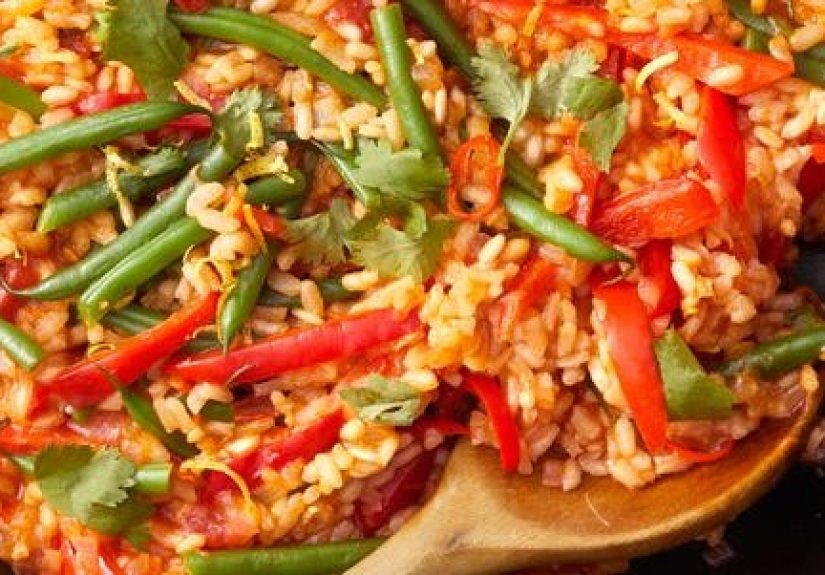
The rice should be tender but not mushy, the liquid should be absorbed, and the top should look glossy rather than soupy. The vegetables should still have character. Bell peppers should be soft, not collapsed into existential despair. Green beans should be tender with a little bite. And if the bottom has a thin, crisp golden layer, congratulations: you made paella, not just very good vegetable rice.
Best Tips for Perfect Vegetable Paella
- Use warm broth: cold broth slows cooking and can throw off texture.
- Do not overload the pan: too many vegetables release too much moisture and make the rice soggy.
- Do not stir after the broth goes in: seriously, step away from the spoon.
- Season in layers: bland broth means bland rice.
- Finish with acid: lemon wakes up all the savory flavors.
If saffron feels pricey, that is because it is. But you do not need much. A small pinch goes a long way, and it gives the dish its distinctive aroma. Turmeric can add color in a pinch, but for the best flavor, saffron is worth it when possible.
Common Mistakes to Avoid
Using the wrong rice
Long-grain rice tends to stay separate and fluffy, which sounds lovely until you want that classic paella texture. Choose short-grain rice for better absorption and a more authentic bite.
Adding too much liquid
Vegetables release water as they cook, especially mushrooms and zucchini. If you drown the pan at the start, you may end up with soup wearing a saffron-colored disguise.
Skipping the rest time
Resting is not a suggestion; it is part of the recipe. It allows the rice to settle and finish absorbing steam so each spoonful holds together better.
Burning the bottom
Socarrat is delicious. Carbon is not. The line between the two is thinner than a celebrity apology, so stay close during the last few minutes.
Serving Ideas for Vegetable Paella
This easy vegetable paella is satisfying enough to stand alone, but it also plays nicely with a few simple sides. A crisp green salad with lemon vinaigrette works beautifully. So does crusty bread, roasted almonds, or a garlicky aioli on the side. For drinks, sparkling water with citrus is refreshing, and a dry white wine is a classic match.
Leftovers keep well in the refrigerator for up to 3 days. Reheat gently in a skillet rather than the microwave if you want to preserve texture. Cold from the fridge at midnight while standing in front of the open door? Also valid. Not elegant, but valid.
Common Home-Cook Experiences With Vegetable Paella
One of the most relatable things about making vegetable paella at home is that the first few minutes feel deceptively ordinary. You start by chopping onions, slicing peppers, and heating oil, and it all seems like another weeknight dinner. Then saffron hits the warm broth, the paprika blooms in the pan, and suddenly the kitchen smells like you have upgraded your entire life. It is one of those recipes that begins humbly and ends with someone leaning into the kitchen asking, “What is that smell?” in a tone usually reserved for bakery windows.
Another common experience is realizing that paella teaches patience in a very specific and slightly rude way. Many home cooks are deeply trained to stir rice. Risotto tells us to stir. Fried rice asks us to toss. Even a basic pot of rice gets checked on more than it probably wants. Paella, however, rewards restraint. The moment you stop fussing over it is usually the moment it starts looking like actual paella. This can be mildly stressful the first time. You will be tempted to poke it, rearrange it, and “just check one thing.” Resist that urge. Paella does not need a helicopter parent.
There is also the universal vegetable paella moment when you become strangely attached to the bottom of the pan. At first you worry the rice is sticking. Then you remember that this is the point. Then you lean in and listen for the tiny crackle that means the socarrat is forming. It feels less like cooking and more like decoding a very delicious signal. When you get it right, the reaction is immediate: the top is tender, the bottom is crisp, and everyone at the table suddenly wants the spoon to scrape the best bits. Family diplomacy may be required.
Home cooks also learn quickly that vegetable choice changes the mood of the dish. Mushrooms bring savory depth. Artichokes make the pan feel a little more elegant. Peas add sweetness and color. Bell peppers are the cheerful extroverts of the group. Zucchini is useful but should not dominate, because it releases a lot of moisture and can take the rice from beautifully structured to suspiciously soft. That lesson is often learned the wet way, but it is still learned.
Perhaps the nicest experience tied to this recipe is how generous it feels. Vegetable paella is not fancy in a fussy sense, but it is dramatic in the best possible way. It lands in the center of the table looking abundant, colorful, and celebratory. It invites people to gather around, point at the vegetables they love, debate whether lemon is optional, and go back for a second helping they claimed they did not have room for. Even on an ordinary night, it creates a small dinner-party energy.
And finally, there is the deeply satisfying experience of getting better at it. Your first pan might be a little too wet, a little too dark on one side, or missing that crisp bottom layer you wanted. The second pan will be smarter. By the third, you will understand your stove, your skillet, and your timing much better. That is part of what makes this dish so rewarding. Vegetable paella is not just a recipe you follow. It is a recipe you learn. And once it clicks, it becomes one of those signature meals people request again, which is always a nice outcome for a pan of rice and vegetables that started with such modest ingredients.
Conclusion
The best vegetable paella recipe is the one that delivers big flavor, distinct texture, and enough confidence to let the rice do its thing. With the right pan, short-grain rice, saffron, and a well-built vegetable base, you can make a beautiful homemade paella that feels festive without being fussy. It is colorful, deeply savory, and proof that a meatless main course does not have to be polite or boring. It can be bold, a little dramatic, and extremely worth scraping the pan for.
So the next time you want a one-pan dinner that feels special, skip the predictable pasta routine and make vegetable paella instead. Your kitchen will smell incredible, your table will look brighter, and your dinner guests may suddenly become experts on who deserves the last crispy spoonful. Handle that part however you see fit.